
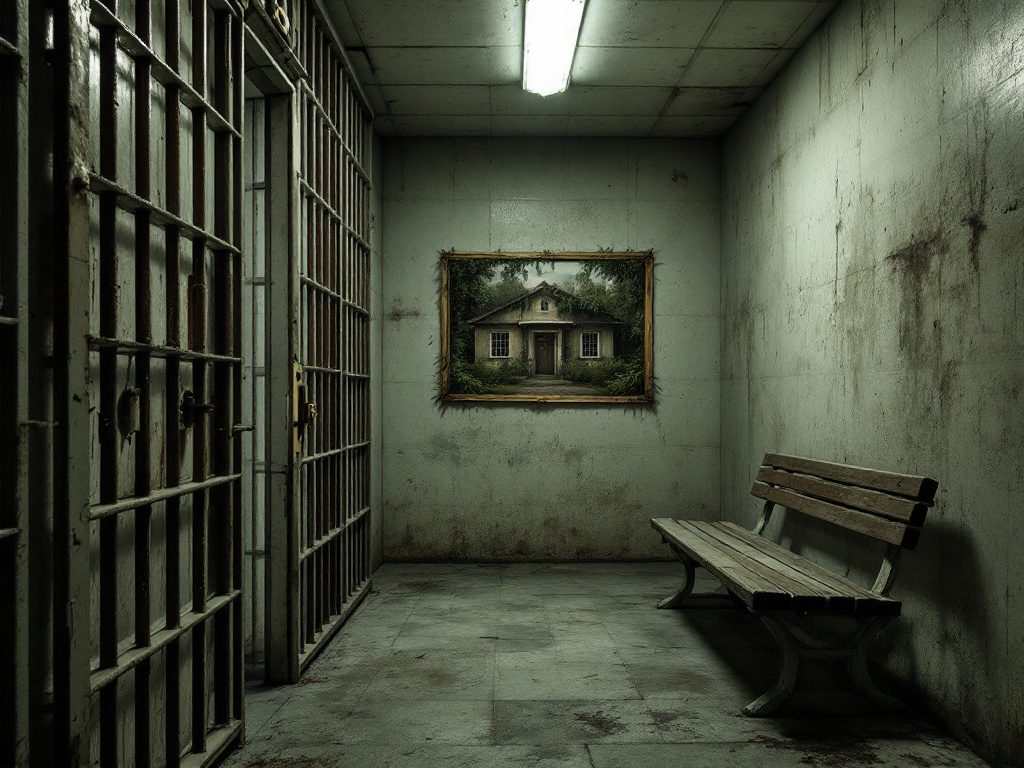
To Jessica Allen, the $2 million settlement she received from Rolette County Jail after her daughter’s tragic death is bittersweet at best. “There is no joy in life anymore, for me. I just can’t be happy,” Allen said. Her daughter, 19-year-old Lacey Higdem, died alone in a jail cell nearly five years ago, and though the court’s judgment may now bring some measure of justice, nothing can undo the emotional wounds left behind.
A Disturbing Pattern of Neglect
Lacey Higdem’s harrowing final hours began with an arrest for disorderly conduct when she was found hallucinating under the influence of methamphetamine. Initially treated at a hospital and then medically cleared, Higdem was booked without incident into Rolette County Jail—but her condition rapidly deteriorated. Jail surveillance videos captured severely distressing images of Higdem banging her head against the walls, urinating on herself, and displaying obvious signs of physical anguish. Yet, despite these urgent indicators, jail staff failed to take necessary actions, showcasing egregious disregard for her well-being.
Perhaps the most damning revelation from the case was the behavior of corrections officers on duty that day. Documents indicate that while Higdem suffered openly, officers remained inattentive in the control room, watching television and engaging intimately, blatantly ignoring repeated emergency calls from other inmates alerted by Higdem’s distress. Dinah PoKempler, a North Dakota civil rights advocate, called this lack of action “a horrifying abdication of basic human responsibility and decency.”
Compounding the tragedy is the fact that prior incidents should have served as warnings. The jail had experienced significant safety violations and previously recorded an inmate dying in custody just two years earlier. These systemic failures led the North Dakota Department of Corrections to temporarily shutter the facility in response, citing violations of state safety standards. Such troubling patterns clearly demanded rigorous reforms, yet evidently, little meaningful change was instituted by those responsible for the facility.
Justice Served—but is Accountability Lacking?
The $2 million settlement marks a landmark judgment—likely the largest ever awarded for a jail death in North Dakota. The substantial amount and the circumstances surrounding this case may influence future judicial decisions and empower other families facing similar unimaginable losses. “This settlement should give jail administrators pause,” said Robins Kaplan LLP attorney John Easton, who represented Allen in court. “It sends a powerful message about accountability and the responsibilities correctional facilities owe to those they confine.”
“This settlement should give jail administrators pause. It sends a powerful message about accountability and the responsibilities correctional facilities owe to those they confine.” – Attorney John Easton
Yet, troublingly, Sheriff Nathan Gustafson—who retains ultimate authority over the Rolette County Jail—has refrained from holding correctional staff accountable, instead blaming the incident on what he termed an “overwhelming drug problem.” This response, critics argue, gravely skirts responsibility and ignores the preponderance of evidence clearly documenting failure at the managerial and operational levels.
“To suggest that drug problems excuse systemic negligence within facilities explicitly designed to protect and rehabilitate is not just deflective, but dangerous,” said Rebecca Flynn, a local human rights advocate who closely monitored the case. Sheriff Gustafson’s unwillingness to discipline the officers involved underscores enduring gaps in accountability, a reality that has sparked further outcry from community groups and human rights organizations.
Looking Toward Reform and Healing
The settlement, beyond offering tangible support to Higdem’s now five-year-old son Liam, carries broader implications regarding safety and accountability reforms needed within correctional facilities statewide. Darla Evans, a former corrections official turned advocate for criminal justice reform, emphasized that “this tragedy should prompt other facilities to proactively evaluate and improve their practices, ensuring no other family experiences such preventable anguish.”
When Higdem died, she was just beginning adulthood, facing struggles but still imbued with hope and the potential of a better future as a mother to her infant son. Allen, reflecting on the settlement, acknowledged in interviews that no financial compensation could ever properly account for such loss. Her courage in confronting these institutional failures stands as a poignant reminder of the urgent reform needed throughout correctional institutions.
The somber echoes of this tragedy compel us to ask difficult but necessary questions: How many more lives must be lost behind bars due to negligence or inaction? Achieving accountability within our jail systems demands an uncompromising stance against institutional neglect. For Rolette County and all others watching closely, this landmark decision is not merely about closure or compensation—but about building responsive systems that reflect empathy, vigilance, and unwavering respect for human dignity.
