
The Price of Repair—and the Cost of Secrecy
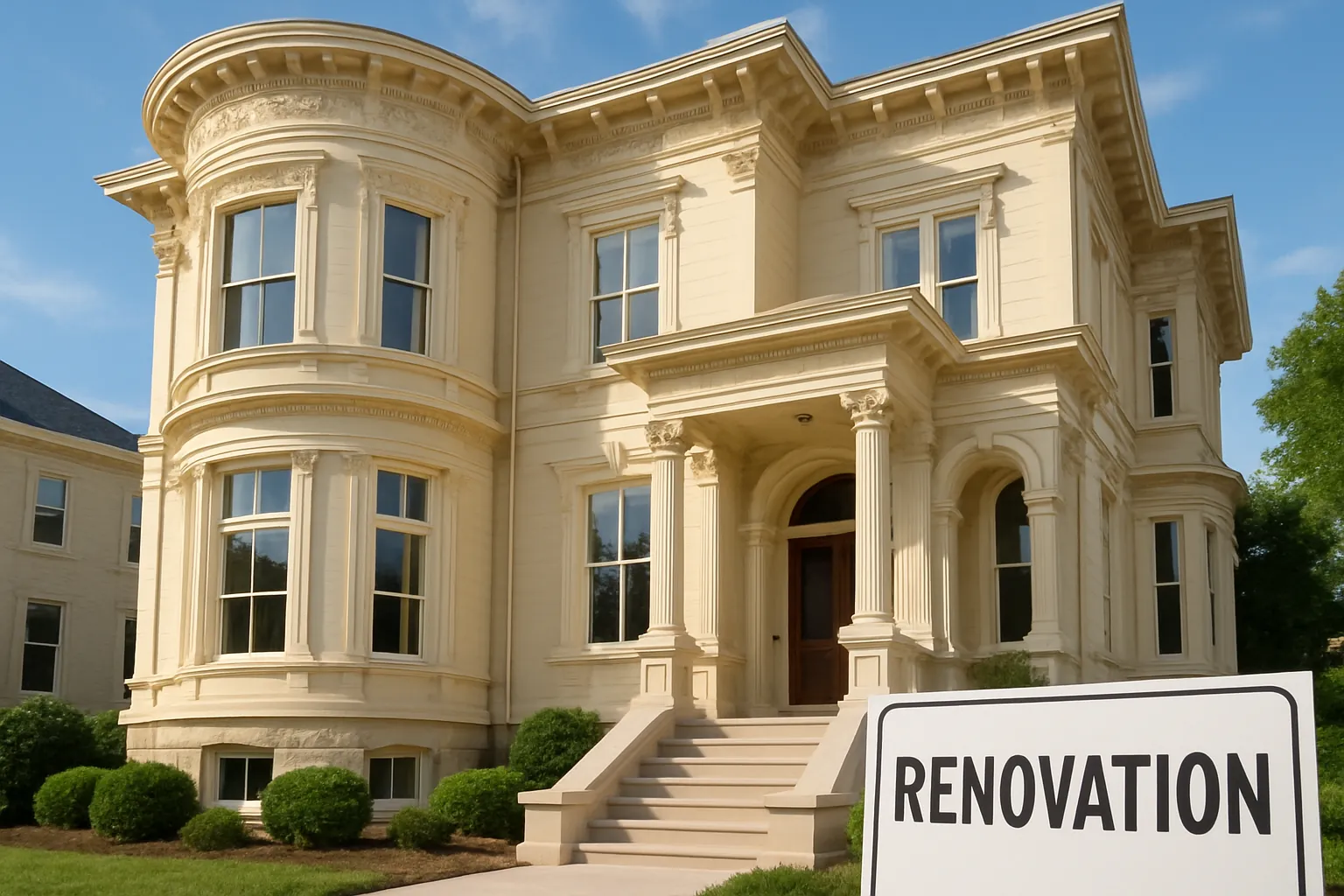
Staring over the Susquehanna River, the 29,000-square-foot Pennsylvania governor’s mansion has long served as both a symbol of state pride and a stage for political power. When arson tore through its halls this April in the dead of night, the public reaction was immediate: how, and how quickly, could it be restored? Yet as the months pass and invoices pile up, the question morphs into something increasingly uncomfortable—how much is being spent, and who is watching the books?
Pennsylvania Governor Josh Shapiro’s administration has spent more than $6 million in taxpayer funds to repair fire-damaged rooms, replace lost furniture, and restore the governor’s residence to its stately standing. According to hundreds of pages of records reviewed by local journalists, luxury items like new leather sofas, elegant wallpaper, and cooling foam mattresses now grace the mansion’s corridors. The state Department of General Services spearheads this effort, but with nearly one-quarter of the bill—some $1.5 million—shrouded in mystery, an important tenet of democracy is being tested: the people’s right to know how their money is spent.
Public responses span the spectrum from outrage to resigned skepticism. After years of broad, bipartisan concern over government opacity, here is a textbook example of the kind of secrecy that saps trust and invites speculation, if not suspicion. Which contractors got paid and for what? Who ensured that public dollars were wisely allocated? The administration’s answer: not your business, for now. In a statement, officials cite “security concerns” as the reason for redacting vendor names, contract specifics, and line-item costs from public records. That line, familiar to sunshine advocates, only adds to public anxiety in an era of widespread frustration with elites and institutions.
Security or Stonewalling? The Dilemma of Public Accountability
Transparency is not a luxury—it’s a cornerstone of effective, accountable governance. Yet the Shapiro administration’s decision to cloak $1.5 million of publicly funded expenditures in secrecy has sparked intense debate in Harrisburg and beyond. Defenders point to legitimate security risks—for example, making public the exact materials or layouts might theoretically expose vulnerabilities that bad actors could exploit. But critics argue, persuasively, that it is far too convenient to invoke security as a blanket excuse for hiding the details of massive expenditures from taxpayer scrutiny.
Harvard public policy scholar Dr. Alicia Benet argues, “The security rationale has its place when it comes to sensitive defense installations or personal protection for elected leaders. But for repairs on a public building? Broad-stroke redactions that cover basic cost breakdowns, vendor identities, and materials raise more questions than they answer—and risk undermining public trust at a time when government legitimacy is perilously fragile.”
Freedom of Information Act (FOIA) and state-level equivalent requests are the backbone of investigative reporting. When such requests are denied—especially for contracts tied to money flowing through Harrisburg—accountability evaporates. Plenty of other high-profile government renovations (from the White House itself to statehouses nationwide) have disclosed contractor names and prices without compromising security. Why should Pennsylvania be an outlier?
“When government shields even basic spending information from the public, the risk isn’t just wasted money—it’s the corrosion of the trust we all need in our civic institutions.”
Beyond that, the public deserves to know when and how transparency will be restored. The administration’s vague promise to “release a donor list in the future” offers little reassurance. Without a timeline or clear guidelines, hope for clarity becomes little more than wishful thinking—and democracy languishes in the dark.
Private Dollars, Public Questions: The Shadow of Influence
A closer look at the funding reveals another troubling layer. Alongside the unaccounted $1.5 million in state funds, significant sums have flowed from private donors, funneled through a Harrisburg-based nonprofit to aid in mansion restoration. Yet neither the Shapiro administration nor the nonprofit has disclosed who these donors are, how much they’ve given, or how their money is being used. The lack of disclosure raises the specter of undue influence—a scenario where the well-heeled can buy a seat at the table while the public is left in the dark.
Historically, undisclosed “private” money funneled into public projects opens the door to favoritism, backroom deals, and strings attached to future policy decisions. As anyone who’s followed the post-Watergate era of campaign finance reform knows, disclosure isn’t just about preventing actual corruption—it’s about guarding against even the appearance of impropriety. When spending and donor records stay secret, cynicism is the natural result.
According to a Pew Research study on trust in government, only around 20% of Americans trust their government to do the right thing most of the time—a historic low. Even well-intentioned officials undermine the fabric of democracy when they prioritize secrecy over sunlight, no matter their party affiliation. What message does that send to the next generation of leaders? And how can progressives defend and improve public institutions if transparency so often takes a backseat?
Reflecting on the current moment, we have to confront the broader implications: When public money and private donations merge under a veil of secrecy, everyone loses except those with behind-the-scenes access. Equal treatment and transparent governance are not negotiable—they are the foundation of just, responsive leadership.
Finding a Path Forward
The challenge before Governor Shapiro and his administration is not just about fixing a mansion. It’s about fixing the growing disconnect between public institutions and the people they serve. By withholding details about how $6 million in taxpayer money is spent—or who is leveraging private dollars for restoration—officials risk confirming every negative stereotype about government waste and insularity. Open records are not a threat to security; they are an affirmation of democratic ideals.
It’s time for Pennsylvania’s leaders to embrace a higher standard—to not just meet legal requirements for disclosure, but to lead by example in transparency. If we want better government, we have to demand it. As citizens, as progressives, as believers in the promise of public service, we bear the responsibility to hold officials accountable, insist on openness, and ensure that every dollar spent serves the common good—not hidden interests or unexamined priorities.
This episode is a test, not only for Governor Shapiro’s administration, but for all who value the principle that democracy thrives in the light. The mansion may stand restored atop the hill, but true restoration must begin with the truth. The public deserves nothing less.
