
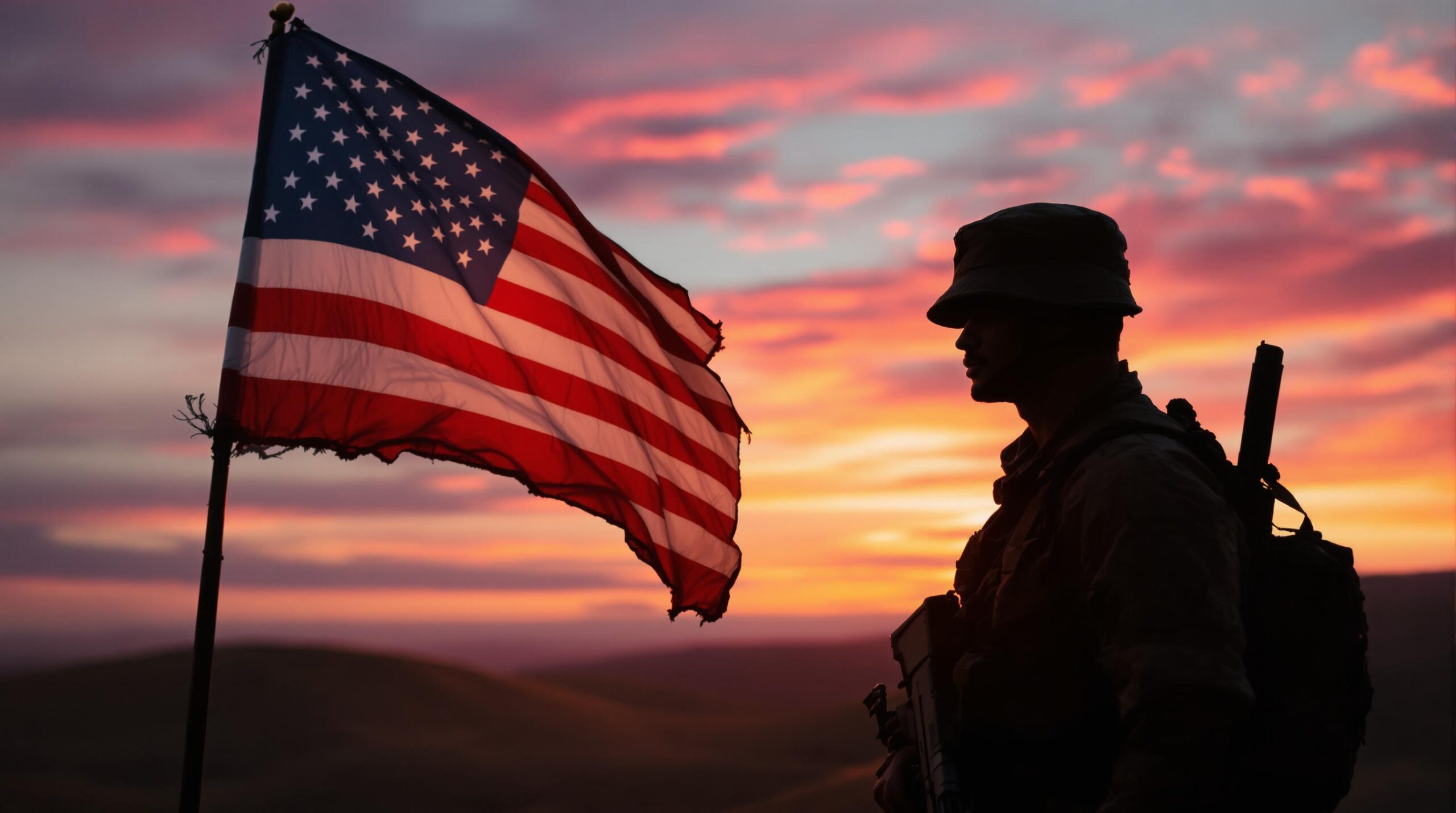
Vice President JD Vance recently grabbed headlines during a conspicuous visit to the Quantico Marine Corps Base in Virginia, showcasing his military background with a demonstration of his firearms proficiency. The event, intended as a powerful reminder of Vance’s military service, quickly morphed into a flashpoint underscoring deeper conversations around masculinity, military values, and the implications of conservative policy in a contemporary society.
A Display Aimed at Power and Prestige
At the event, Vice President Vance took to the firing range with Marines, confidently firing an M240B medium machine gun—a stark symbol aligned notably with traditional conservative notions of strength and masculinity. This was no casual moment of recreation; it was purposefully broadcast, creating an image intended to echo strongly with supporters.
Indeed, during the demonstration, a voice triumphantly declared, “Hit – center chest,” further emphasizing Vance’s prowess and reinforcing a politically potent message of strength. As a former Marine, Vance’s familiarity and comfort with the machine gun were evident, contrasting sharply with more measured approaches to public displays of weaponry employed by other political figures. While some supporters cheered this expression, seeing in it a reaffirmation of American military power and pride, critics immediately expressed concerns about the values reinforced by such imagery.
Just Muscle-flexing or a Troubling Message?
While the Vice President’s display was received enthusiastically by marines and his political supporters, some commentators and progressive spectators have questioned whether actions like these reflect responsible governance. Ostensibly a morale-boosting event demonstrating solidarity with military troops, Vance’s visit sparked dialogue around broader issues of military leadership and cultural values.
Indeed, following his demonstration, Vance stated under President Trump’s administration, the U.S. Marine Corps would be developed into “the most lethal fighting force the world has ever seen.” Alongside this provocative promise were assurances that “diversity trainings and quotas” would end. This comment drew immediate criticism from progressive circles, highlighting conservative discomfort with evolutionary changes in military and societal inclusivity.
Critics argued that such statements and symbolic events send disconcerting messages about inclusivity and diversity—core values that progressive advocates argue strengthen rather than weaken military effectiveness.
“Such outward displays of military power are outdated signals, missing the nuanced and inclusive approach we need in today’s armed forces,” remarked political analyst Karen Smith.
Supporters argue that Vance, given his military background, is simply reinforcing confidence among troops—an act that aligns squarely with the conservative worldview where assertiveness and power traditionally underscore policy direction and action. Yet, the visible tension between these representations and the reality of an ever-diversifying military remains unresolved.
A Broader Conversation About Masculinity in Politics
Beyond the immediate setting of Quantico, Vance’s uncompromising demonstration reignited debates about masculinity in American politics. The event prompted a comparison with Governor Tim Walz, whose relatively modest photo-op with a shotgun earned praise from some progressive commentators. Notably, David Hogg dubbed Walz’s appearance as “healthy masculinity,” implicitly contrasting sharply against Vance’s more dramatic show of force.
This debate speaks directly to an ongoing cultural reevaluation of masculinity in America. Progressives see “healthy masculinity” as a clear departure from aggressive posturing, approaching ideals related to empathy, collaboration, and emotional accessibility instead—qualities seen missing from traditionally conservative portrayals of masculine strength.
Vance’s Quantico appearance further illuminates these ideological divides, becoming a cultural litmus test between conservative and progressive views of gender norms and military values. His emphatic demonstration and declarations suggested a doubling down on traditionally conservative depictions of strength, a move unlikely to sit well with younger, progressively-minded generations increasingly questioning rigid traditional roles.
Ultimately, JD Vance’s controversial day at Quantico reveals much about contemporary politics in America: profound and persistent divisions regarding the roles of the military, masculinity, and diversity in the public sphere. While the immediate reaction has amplified predictable partisan divides, the deeper question lingers—how should American ideals evolve as society’s views toward strength, leadership, and diversity continue to shift?
