
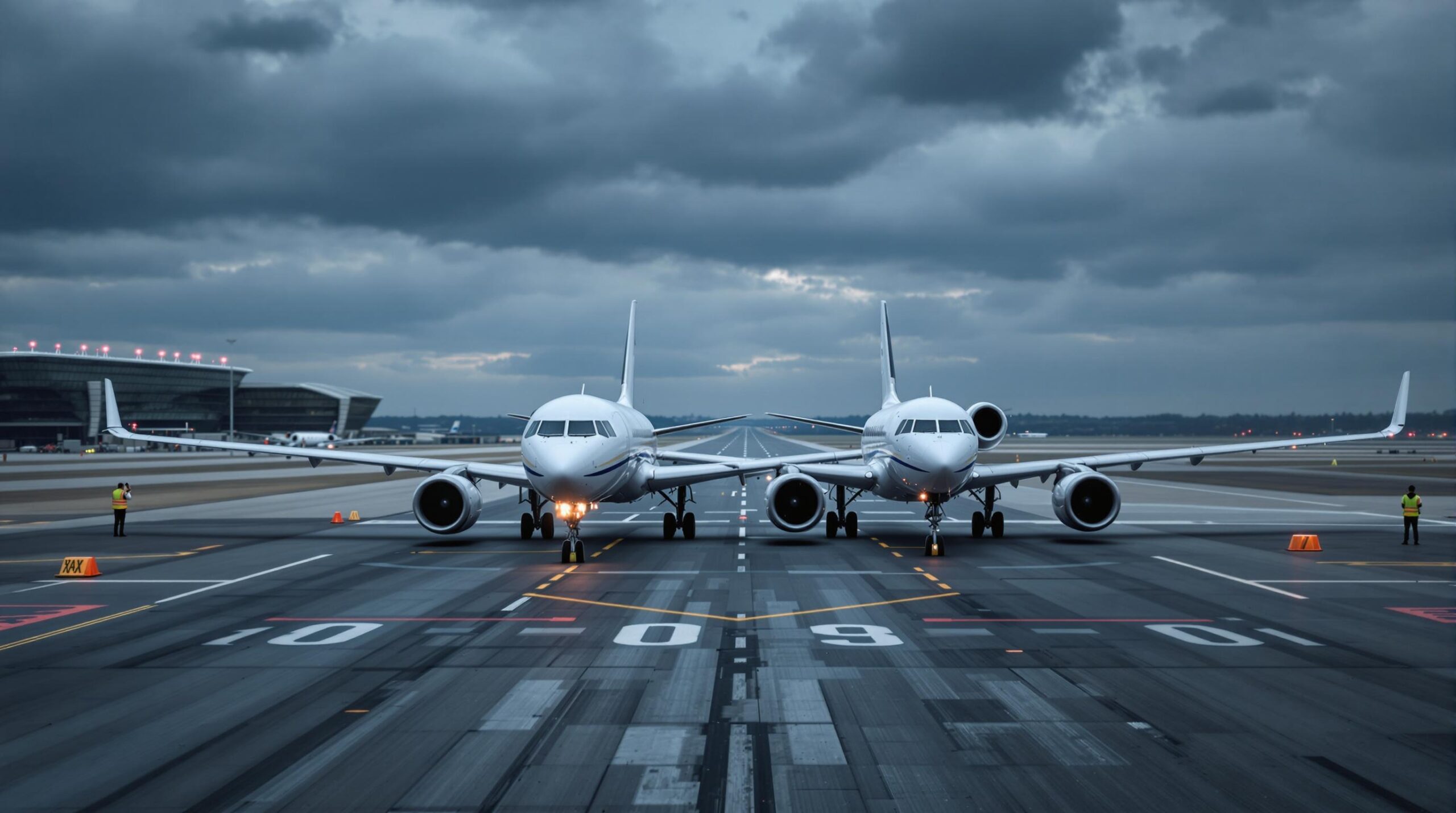
Air travelers expect routine flights to go smoothly, trusting that stringent safety measures protect every journey. Thus, when headlines broke recently revealing a Delta Air Lines flight narrowly avoiding a collision with a U.S. Air Force T-38 jet, alarm bells rightfully rang loud and clear. This near-miss event at Ronald Reagan Washington National Airport (DCA) not only exposes vulnerabilities in current aviation safety protocols but also underscores pressing concerns from industry experts and politicians demanding reform.
A Chilling Reminder of Aviation Risks
Just minutes after Delta Flight 2983 took off, pilots experienced a terrifying yet all-too-familiar scenario: the cockpit was suddenly filled with alarms ringing, signaling a potential collision with another aircraft. The military craft involved, an Air Force T-38 jet, was reportedly flying at a staggering 350 miles per hour at just 800 feet altitude near a busy civilian airport. With 131 passengers, two pilots, and three flight attendants on board, Flight 2983 immediately followed established emergency procedures, ultimately assuring the safety of all aboard but leaving many shaken.
This frighteningly close encounter didn’t simply occur in isolation but rather in a grim context. Earlier this year, a deadly collision between an American Airlines regional jet and a U.S. Army helicopter occurred near the same airport, tragically claiming 67 lives. Similar past incidents highlight a persistent issue at Reagan Airport, raising real doubts around how civilian and military aviation activities intersect, significantly elevating public anxiety.
Safety Authorities Under Scrutiny
The Federal Aviation Administration (FAA) swiftly announced an investigation into this latest incident, notably a “loss of separation,” illustrating gaps in air traffic control efficacy. Despite immediate corrective actions by air traffic controllers in instructing both the Delta aircraft and Air Force jets to divert, serious questions persist.
Minnesota Senator Amy Klobuchar articulated those concerns distinctly. Senator Klobuchar criticized the dangers posed by military flight paths intersecting closely with commercial aviation routes, particularly above heavily populated areas and critical airports. Her voice amplifies the progressive perspective calling out systematic safety shortfalls and urging tighter regulations that prevent future near misses or catastrophic collisions altogether.
“When families board a plane, they trust that authorities have taken every measure to ensure their safety. We must hold the aviation system accountable to prevent incidents like these.”
Undoubtedly, Delta Airlines has emphasized their commitment to passenger safety, reiterating they followed all established protocols during the incident. Yet, public assurances alone might not suffice for wary passengers unless substantial changes accompany these reassurances. Transparent investigations and robust oversight mechanisms remain paramount.
Calls for Reform and Progressive Solutions
Air travel in a nation as reliant on aviation as the United States must prioritize flawless safety standards, particularly in congested airspaces near major hubs like Washington’s Reagan Airport. Progressive advocates argue compellingly that meaningful change requires broader regulatory reforms.
Upgrading Collision Avoidance Protocols stands as an immediate measure to restore public confidence. Both commercial and military aircraft operating proximally to heavy civilian traffic should implement stringent operational mandates, regularly updating collision avoidance systems like Traffic Alert and Collision Avoidance System (TCAS). Equally vital are accurate surveillance and proactive adjustments in real-time by air traffic control staff, who are instrumental in directing aircraft safely through high-risk airspace.
Another progressive solution calls for clearer delineation between civilian and military aviation paths—physically separating the areas each operates within as liberally as airspace allows. Incidents like the recent Reagan Airport close call show inadequate separation, even temporarily, can precipitate terrifyingly risky episodes. Dedicated safe corridors, proactively monitored and periodically reassessed based on changes in aviation patterns, represent a logical step towards better safety standards.
The alarming episode at Reagan Airport reminds decision-makers and the public alike that aviation safety reforms require urgent priority. Safety advocates, policymakers, aviation professionals, and everyday travelers have a shared responsibility to demand regulatory improvements, ensuring skies that remain reliably safe now and for generations to come.
