
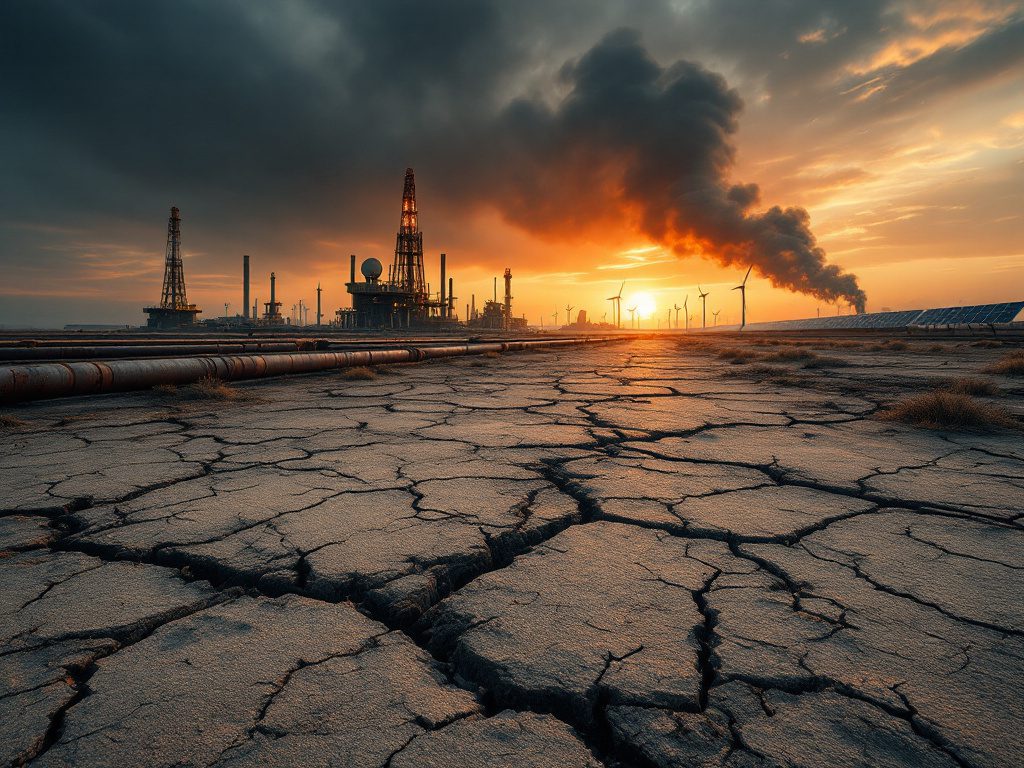
For decades, activists and scholars alike have pointed fingers at fossil fuels as a key driver of climate change, biodiversity loss, and public health disasters. A recent comprehensive review published in Oxford Open Climate Change leaves no room for doubt— fossil fuels are literally killing us. The research highlights the multi-dimensional threats our fossil-fueled economy poses, warning we may be rapidly approaching a point of no return if immediate, decisive actions are not undertaken.
The Hidden Costs of Fossil Fuels
Lead author Shaye Wolf, along with other leading scientists, provides compelling evidence that the fossil fuel industry is at the root of intertwined global crises—climate breakdown, widespread health problems, environmental injustice, biodiversity extinction, and plastic pollution. Fossil fuels account for around 90 percent of human-caused carbon dioxide emissions, accelerating global heating and resulting extreme weather events. However, these tragic environmental outcomes are only part of the story.
Pollution from burning fossil fuels kills millions each year across the globe, with hundreds of thousands in the United States alone. Diseases resulting from pollution range from chronic respiratory disorders and cardiovascular diseases to alarming rises in premature births, leukemia in children, and even severe mental illnesses like depression. Co-author David JX González summarized the toll frankly, connecting directly with the human cost: “We often focus only on planetary health, but it’s imperative to remember that behind every statistic are families devastated by preventable diseases.”
Moreover, pollution disproportionately burdens communities—frequently Black, Brown, Indigenous, and other marginalized groups—already facing systemic injustices. Industrial sites extracting or processing fossil fuels are often deliberately placed near neighborhoods that lack the resources or political clout to resist, exacerbating historical cycles of inequity and economic hardships. Communities that bear the brunt emerge as the harshest critics, demanding systemic change founded not just on scientific urgency but also on social justice.
The Deception Behind Industry’s Defense
Central to understanding the pervasiveness of fossil fuel harm is the industry’s history of misinformation campaigns. Naomi Oreskes, a prominent historian of science, emphasizes how profoundly these deceptive strategies compromised public debate: “The fossil fuel industry has spent decades misleading us about the harms of their products and working to prevent meaningful climate action.” These orchestrated distraction efforts caused crucial delays—a stolen generation for effective climate progress.
Decades ago, fossil fuel companies invested huge sums to suppress and obscure evidence that could reveal their contributions to global environmental damage and public harm. Revelations now prove the industry funded disinformation tactics far more extensive and manipulative than previously suspected. By undermining scientific consensus on climate change and downplaying public health impacts, fossil fuel companies prioritized profits over human welfare, ecological integrity, and ultimately planetary survival.
Time for an Urgent, Equitable Transition
The scientists assert unequivocally: there is still hope—but the window for action is quickly closing. Fossil fuel subsidies, government support for drilling expansions, and misguided strategies like carbon capture and storage perpetuate our dependency rather than addressing root causes. They insist that counterproductive “solutions” only perpetuate harmful extraction methods, delaying necessary action while offering little to no meaningful emissions reduction.
“Clean, renewable energy is here; it’s affordable, and it will save millions of lives and trillions of dollars once we make it the centerpiece of our economy.” — Shaye Wolf
A critical recommendation revolves around implementing ambitious energy transformations immediately, including phasing out existing fossil fuel infrastructure and ceasing all new extraction endeavors. Far from being economically or socially destructive, the move toward renewable energy solutions promises considerable health benefits and economic savings, particularly through reductions in healthcare costs associated with fossil fuel-induced health crises.
Central in this transformative vision is investing in historically underserved communities. By prioritizing these areas for clean energy projects and infrastructure renovations, policymakers have the opportunity to enact restorative justice, recompense decades of neglect, and reduce chronic health disparities. Leaders must adopt “science-and-justice-based” policies that reorient societal priorities around community well-being rather than corporate wealth.
Ambitious measures also include significant reductions in plastics production and fostering sustainable materials as alternative solutions. Limiting petrochemical production, primarily through pesticides and fertilizers derived from harmful fossil fuel chemicals, stands paramount to ecological health and broader sustainability.
Looking forward, the study champions reshaping both environmental policies and democratic engagement to dismantle systemic inequalities engrained through decades of harmful fuel dependency. The scientists call upon citizens themselves, underscoring the necessity for public insistence on political accountability, responsible corporate behavior, and equitable, sustainable growth. In the struggle against fossil fuel dependence, it’s clear—community-driven advocacy will be crucial to securing real, meaningful change.
It is imperative, now more than ever, to heed these urgent and impassioned warnings from the scientific community. We cannot claim lack of knowledge—only action towards a just, equitable, and sustainable energy landscape will suffice if we hope to preserve our planet for future generations. Our immediate choices today will truly define possibility tomorrow.
