
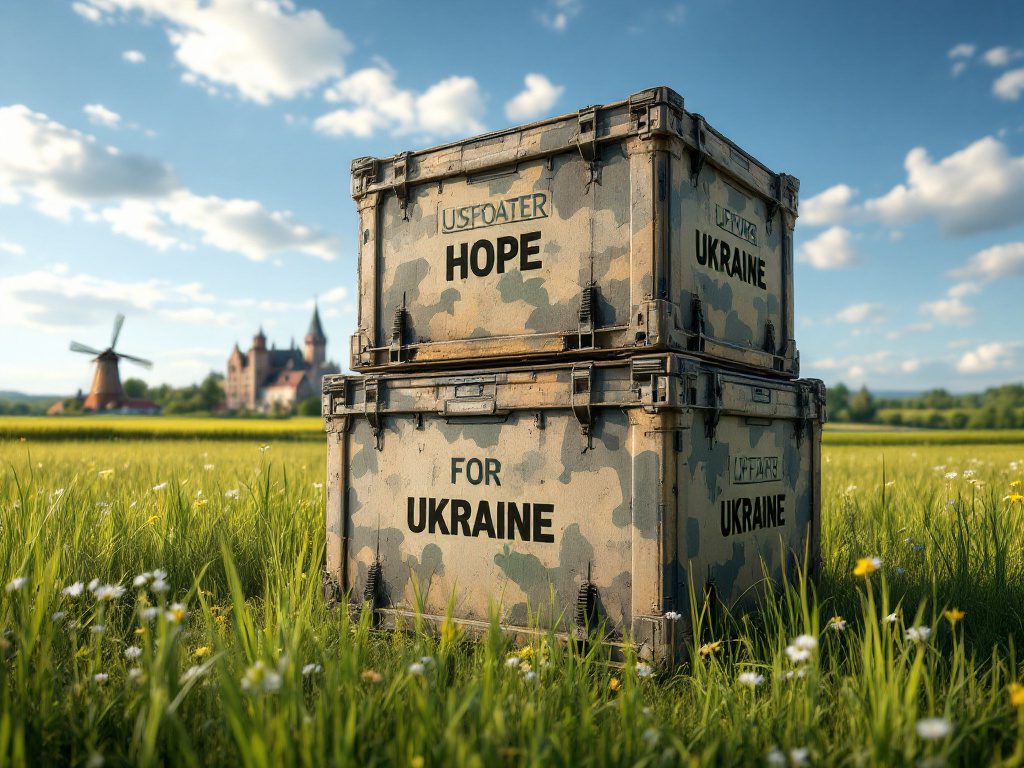
As Ukraine continues to endure the toll of Russian aggression, the European Union (EU) is making notable strides to support its resolute ally. The latest update from EU Foreign Minister Kaja Kallas offers a hopeful picture, demonstrating that over half of the vital EUR 5 billion funding for ammunition destined for Ukraine’s front lines has already been pledged by EU member states. These funds, targeted at securing at least two million artillery rounds, represent an essential element in bolstering the Ukrainian defense against the ongoing Russian invasion.
The progress towards meeting Ukraine’s urgent defensive needs marks a significant milestone in Europe’s collective and determined efforts — even though challenges remain for broader defense strategies.
The Strategic Imperative of Preparedness 2030
At a recent informal summit of EU defense ministers held in Warsaw, Kallas went beyond simply emphasizing immediate aid. She underscored the broader vision encapsulated by the Preparedness 2030 initiative, which aims to foster strategic, long-term European defense planning. “It’s not only about what Ukraine needs today but how we, as Europeans, position ourselves to support peace and security tomorrow,” Kallas asserted.
This larger framework, proposed by the European Commission as a “White Paper on Defense,” deals not merely with immediate monetary contributions or singular relationships — it sets the groundwork for joint procurement and shared responsibility in Europe’s defense landscape. According to Kallas, further discussions surrounding funding mechanisms and collective procurement strategies need to be rigorously pursued if Europe is to maintain regional stability in the face of geopolitical turbulence.
These visionary strategies offer reassurance that the EU is committed not only to immediate relief but also to ensuring regional stability and independence far beyond the current crisis.
Beyond Immediate Needs: Debating the EUR 40 Billion Plan
Though EU nations have notably advanced with the EUR 5 billion ammunition package, it’s clear that Kallas and other EU officials view this accomplishment as merely the first step in a broader and more comprehensive strategic pivot. Discussions in Warsaw and Brussels have highlighted an ambitious vision: a larger EUR 40 billion defense initiative aimed at expanding Europe’s overall martial preparedness and collaborative military capacities.
While the initiative offers a promising blueprint for intensified security cooperation among European nations, achieving consensus remains challenging due to internal EU politics. Hungary — known for cultivating friendlier relations with Russia — poses a potential obstacle to collective European progress. The Hungarian government’s veto power could complicate consensus, creating friction and delays that many fear may undermine regional cohesiveness in a critical moment.
However, despite potential setbacks from individual nations, optimism remains that collective European willpower can override isolated opposition. The ambitious EUR 40 billion proposal underscores a clear-eyed view: that the security of EU nations, including those on the periphery, is inherently interconnected, requiring unified action and forward-looking strategic thinking.
“There’s no security without cooperation— Europe’s future strength hinges on our courage and unity today.”
The Battlefield’s Influence on Ukrainian Negotiating Power
Amid metrics of budgetary figures, procurement numbers, and ammunition stockpiles, one truth endures: Ukraine’s battlefield strength directly impacts its diplomatic leverage. Foreign Minister Kallas echoed Ukrainian President Volodymyr Zelensky’s urgent appeals, affirming the direct correlation between military strength and diplomatic clout at the negotiating table. She stated plainly that robust military support not only safeguards Ukraine’s territories but significantly improves their negotiating position in any potential diplomatic discourse with Russia.
Strengthening Ukraine militarily stands as both a moral commitment and a strategic investment in Europe’s long-term security. History reminds us clearly that appeasement or complacency towards aggressive authoritarian expansions has never resulted in lasting peace; instead, enabling Ukraine to defend its sovereignty can serve as a potent deterrent against further aggression elsewhere.
The EU’s support for Ukraine is a beacon of solidarity — providing clear and unambiguous backing against autocratic aggression. It is crucial in promoting democratic ideals and human rights in the face of authoritarianism.
Looking ahead, the progress already made by EU countries illustrates their resolve. However, maintaining momentum is critical. The ongoing conflict in Ukraine demands not only immediate financial and military aid but a sustainable, long-term strategy ensuring European resilience and strength remains steadfast.
Across Europe, the initial success in fulfilling over half of Ukraine’s ammunition requirements is a hopeful indicator of what can be accomplished through unity and purpose-driven international diplomacy. Europe now stands at a critical juncture that is formative not just for Ukraine, but for the security of liberal democratic standards worldwide.
