
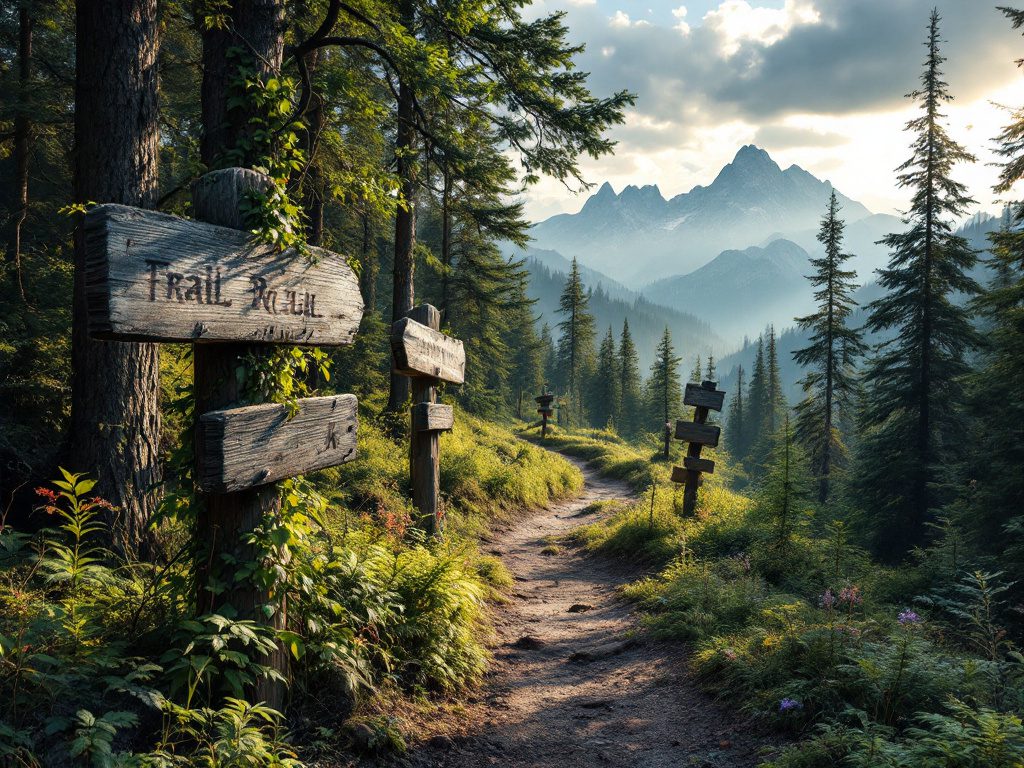
If you’ve ever set foot on the rugged yet breathtaking terrain of America’s iconic trails, you know the unique allure they hold. The Pacific Crest Trail, spanning 2,650 miles from California’s border with Mexico up through Oregon and Washington to Canada, and the equally revered Appalachian Trail navigating the eastern United States, represent more than just recreational spaces. They encapsulate the spirit of American wilderness and freedom, drawing millions of hikers and nature enthusiasts annually. But today, both legendary footpaths stand on shaky ground, facing unprecedented challenges due to severe federal budget cuts.
A Threatened Legacy
Budget reductions initiated during the Trump administration have had pervasive effects, none so palpable as the severe blows dealt to trail upkeep. Traditionally, a dedicated network of Forest Service and National Parks staff, alongside volunteers stewarded by organizations such as the Pacific Crest Trail Association (PCTA) and the Appalachian Trail Conservancy (ATC), maintained these routes meticulously. But recent funding slashes mean fewer professionals conducting critical work—clearing debris, repairing tread, and ensuring trails remain safe and accessible.
The Appalachian Trail alone has endured roughly 500 miles of substantial storm damage, much of which was exacerbated by Hurricane Helene. This extensive harm underscores the immediate necessity for maintenance funding—a need now unmet, risking the safety of thousands of hikers who annually traverse these trails.
According to trail guide Eric Kipperman, the severity of trail conditions has reached critical levels, with sections of the Pacific Crest Trail nonexistent, obstructed entirely by fallen trees and eroded pathways. “These conditions do not merely inconvenience hikers,” Kipperman conveys gravely, “they pose real dangers. People rely on these trails to be navigable and safe.”
“These conditions pose real dangers. People rely on these trails to be navigable and safe.” — Eric Kipperman, trail guide
Accessibility and the Human Cost
The consequences of the funding crisis resonate loudly beyond extensive cross-country trails. At the community level, smaller but equally impactful projects face discouraging delays. Consider the exquisite Coyote Valley Open Space Preserve near San Jose, California. There, environmental planners look to establish an accessible trail stretch—a lifeline providing cherished outdoor interactions for people with disabilities. Yet, despite projections securing approximately $800,000 for the project, planners now grapple with uncertainty wrought by cuts in Washington. Environmental planners are now acutely concerned that broader cuts will severely diminish efforts to promote accessibility and inclusivity in natural spaces across the nation.
For Craig and Kathy Sutherland, residents directly affected by accessibility challenges, these potential cutbacks are personal. Their experience navigating trails within Coyote Valley vividly illustrates how vital these plans are. Budget delays directly influence their quality of life, curbing the simple joy of authentic connection with nature—a connection becoming increasingly elusive due to current fiscal constraints.
An Ongoing Commitment Amid Uncertainty
In response to widespread concerns over trail conditions, the U.S. Forest Service has acknowledged the extensive impacts of these budget limitations, emphasizing their intention of safeguarding public safety and ensuring uninterrupted recreation access. Yet their words face significant hurdles: nearly 3,400 Forest Service employees, many crucial for trail maintenance roles, have been laid off in recent waves of cuts. Another 1,500 positions within the National Park Service—focused primarily on outdoor recreation, public education, and environmental stewardship—have disappeared.
This depletion of experienced personnel not only cripples immediate restoration efforts but leaves trails vulnerable to compounding damage, especially as climate-related incidents like wildfires and fierce storms rise in frequency and severity. As global temperatures climb, these phenomena occur more regularly, amplifying the strains on maintenance and repair resources.
History reveals starkly that preservation isn’t solely an ecological concern but an economic imperative. Decades of data from trail advocacy groups demonstrate how these iconic routes pump millions into rural economies annually, supporting local businesses from supply stores to lodging providers. Hesitation to adequately support trail preservation thus jeopardizes not only ecological and social welfare but regional economic stability.
With budgets tightening, advocacy groups like the PCTA and ATC have reiterated calls for additional funding, emphasizing inevitably higher future costs if trail conditions deteriorate further. Investment now represents prudent stewardship, saving formidable maintenance outlays down the line. Experts agree: delaying expenditures only compounds harm.
As America enters another peak hiking season, adventure-seekers preparing backpacks and boots face an ominous question. Will these trails, so richly woven into the fabric of American lore and landscape, continue to delight generations to come? Or will political short-sightedness and budgetary restrictions doom these national treasures to gradual decay and potential neglect?
Trail enthusiasts, environmentalists, and local communities nationwide watch anxiously, hopeful yet wary. The outcomes depend largely upon political willpower, prioritizing environmental mindfulness, accessibility, and national recreation security. At stake is nothing less than a shared national legacy, etched across thousands of miles of wilderness and countless human hearts who’ve traversed these storied pathways. America must act decisively to preserve them before it’s too late.
