
A Beloved Bakery and a Shocking Arrest
If you’ve ever visited Abby’s Bakery in Los Fresnos, Texas, chances are you’ve encountered the comforting aromas of freshly baked pastries mingling with lively chatter among patrons, spanning from personal gossip to political news. Owned by Leonardo Baez and Nora Avila-Guel, Abby’s Bakery isn’t just a small business; it’s a cornerstone of the Los Fresnos community. Yet today, the doors are closed, the counters are empty, and the chatter is muted, overshadowed by confusion and fear.
In February, Homeland Security Investigations officers arrested Baez, Avila-Guel, and eight of their employees, accusing the bakery owners of harboring unauthorized workers. The allegations stunned residents of this predominantly Hispanic town, shaking their trust and sense of safety. Regular customer Esteban Rodriguez captured the collective disbelief, telling the press, “I was surprised because I know that they’re not taking advantage of the people.”
The couple, legal U.S. permanent residents, now face severe consequences, including potential deportation and loss of their livelihood. Reaction to their arrests has spilled out onto the streets, with around 20 local residents and patrons openly protesting and advocating for the bakery’s owners. The sentiment is clear—community members believe these arrests don’t match the esteemed reputation Baez and Avila-Guel have cultivated.
The Clash Between Politics and Community
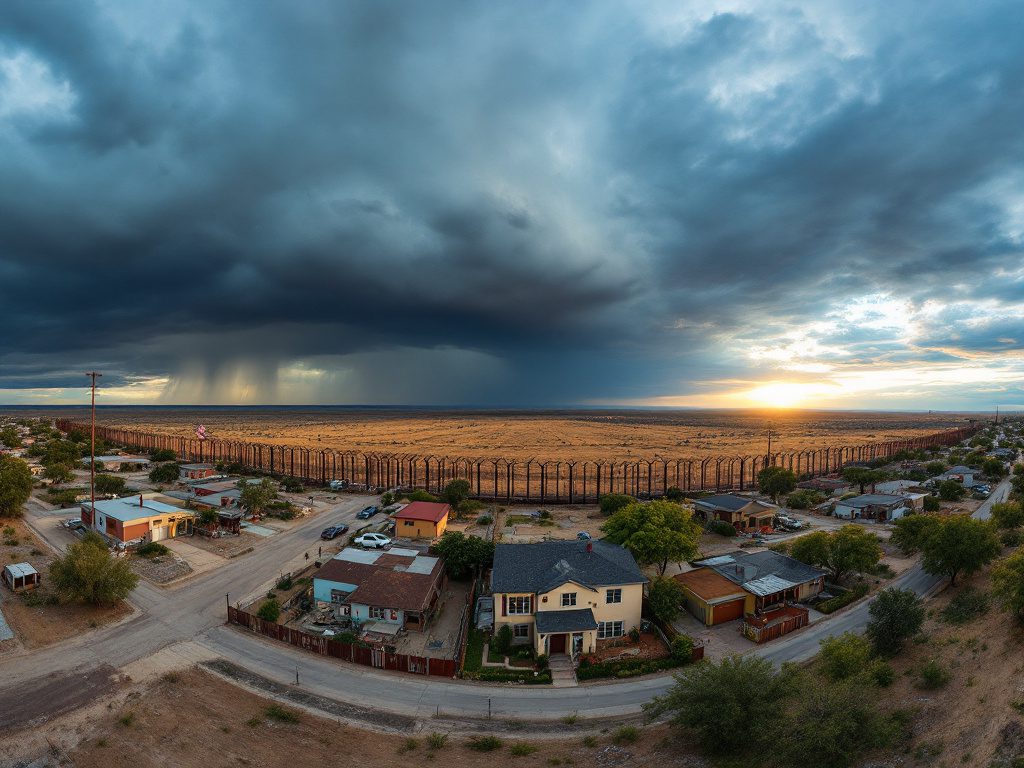
The broader context reveals even deeper layers. Los Fresnos sits in Cameron County, an area that shifted to support former President Donald Trump in the 2020 election, marking the first time the county had voted Republican since 2004. Trump’s success in the region rested significantly on his tough immigration stance, promising tighter borders and stricter enforcement.
Yet the raid at Abby’s Bakery might be exposing the limits of local backing for stringent immigration laws, especially when these enforcements disrupt a community-integral business. The people of Los Fresnos face a deeply personal paradox: having voted for a candidate promising forceful immigration policies, now grappling with the economic and social fallout those policies entail.
According to Pew Research, Latino communities along the border frequently experience these tensions, teetering between economic realities, cultural ties, and complex personal relationships. César Garcia, a local historian familiar with Cameron County’s shifting politics, remarked, “Border towns aren’t binary. The narrative sold during election cycles oversimplifies experiences. Residents find themselves caught between national rhetoric and local realities.”
Heightened Enforcement and Its Human Cost
Indeed, the Abby’s Bakery incident is noteworthy not just because it betrayed community expectations but also because of its severity. Federal immigration enforcement traditionally issues civil fines against employers for immigration infractions. The decision to pursue criminal charges against Baez and Avila-Guel symbolizes an escalation in federal tactics. The case has inevitably shifted from discreet civil citations to appeals for broader public attention by a community feeling unjustly targeted and deeply wounded.
This enforcement approach diverges notably from earlier large-scale operations common during President George W. Bush’s administration. Rather than vast factory sweeps, recent tactics have evolved into targeted, high-profile actions that morally and economically ripple outward.
“Border towns aren’t binary. The narrative sold during election cycles oversimplifies experiences.” — César Garcia, Cameron County Historian
For Los Fresnos residents, Abby’s Bakery was more than a pastry shop; it was the neighborhood’s heartbeat. Local schools, hospitals, and businesses frequently relied on Abby’s for cakes and pastries, marking celebrations as well as mourning, graduations, retirements, and even simple daily routines. Closing Abby’s not only disrupts these rhythms but sends an intimidating message to surrounding businesses.
A closer look reveals that already cautious small business owners are becoming increasingly nervous, aware they’re now potential targets. The resulting climate could discourage entrepreneurial risk, stall economic development, and inadvertently punish hardworking community members trying to sustain the local economy.
Navigating a Delicate Future
For residents in Los Fresnos and similar border towns, the way forward remains profoundly uncertain. How can a community reconcile support for stringent immigration stances with the human, economic, and emotional cost of their enforcement policies? And what does Abby’s Bakery symbolize in America’s broader debate over immigration?
Answers appear painfully elusive, demonstrating how political choices resonate far beyond voting booths—and how easily political rhetoric can overshadow human realities. Los Fresnos’s experience is a small snapshot, but its implications resonate across national conversations around immigration reform, policy enforcement, and the human costs they create.
In the end, it’s possible the case against Abby’s Bakery signifies a broader sentiment shift, challenging the assumptions many make about conservative policy popularity within border communities. Local residents must now confront uncomfortable truths about the complicated intersection of immigration, economics, and politics—realities that become tangible only when neighbors, livelihoods, and loved community institutions suddenly disappear from their midst.
