
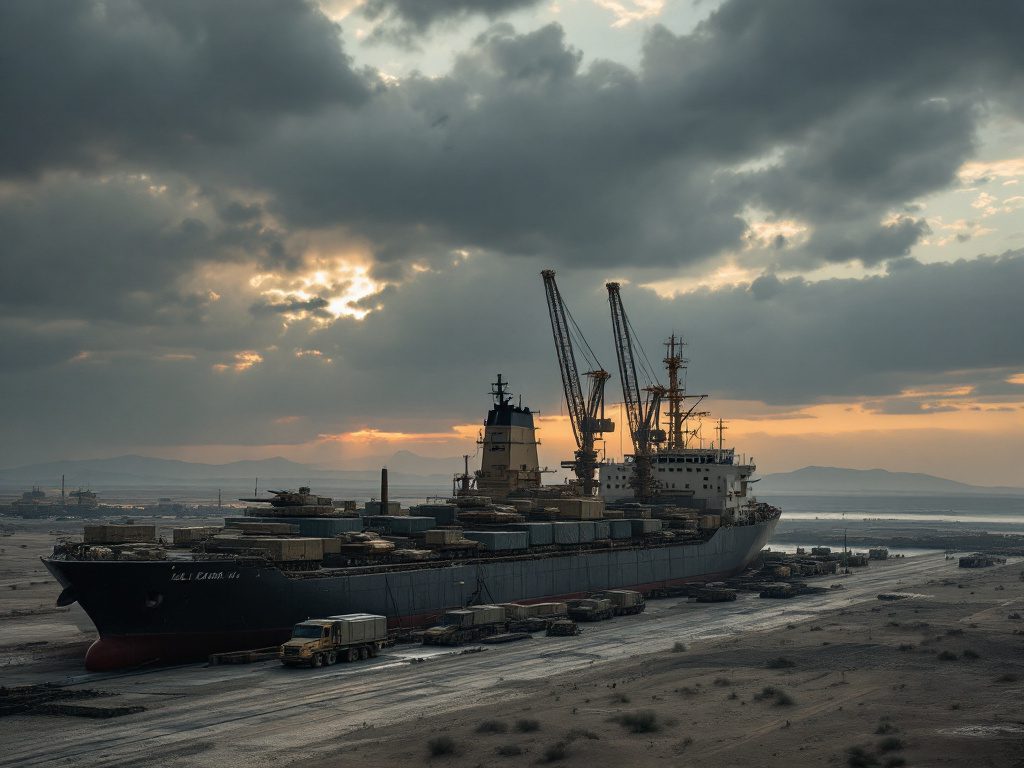
In a move set to dramatically heighten regional tensions, Iran has reportedly transferred sophisticated long-range missiles to its proxy militias in Iraq. This escalation arrives at a sensitive moment, as the United States prepares for critical nuclear negotiations with Tehran. Regional intelligence officials cited by The Times disclosed the movements last week, highlighting an unsettling contradiction to previous assurances from Iraq that Iranian-backed militias were considering disarmament under U.S. diplomatic pressure.
A Calculated Escalation Amid Diplomatic Overtures
The missiles, transported by the Iranian Revolutionary Guard Corps’ Air Force (IRGC), are believed by experts to possess a range capable of reaching parts of Europe. Included in Iran’s provocative shipment were not only surface-to-surface ballistic missiles but also sophisticated equipment such as the Quds 351 cruise missiles and the Jamal 69 ballistic variants. The symbolism behind these new missile deployments is unmistakable: Tehran is sending a clear message of defiance not only to Washington but to its regional adversaries, particularly Israel.
President Donald Trump, aiming to present a tough posture ahead of critical discussions scheduled in Oman, warned bluntly that a breakdown in negotiations would spell a “very bad day for Iran”. Trump’s earlier policy moves reinstated a “maximum pressure” strategy on Iran that sought to curb the regime’s nuclear ambitions through punishing sanctions and implicit military threats. However, Tehran’s latest missile transfers suggest that this strategy is encountering direct resistance.
Iran’s Proxy Power Play Complicates Iraq’s Stability
The decision to fortify Iraqi proxies underscores Iran’s intention to sustain influence despite setbacks across the region. Following the fall of the Assad regime in Syria and recent failures faced by Iran-backed groups like Hezbollah in Lebanon and Hamas in Gaza, Iranian strategic clout appeared to be waning. Analysts assert that this missile transfer is aimed at rejuvenating morale and reassuring Tehran’s militant allies. Indeed, sources described Iran’s move to replenish allied forces with advanced weaponry as part of a broader strategy aimed at bolstering perceptions of strength and deterrence.
However, Iran’s move introduces not just symbolic posturing but tangible risks to Iraqi security and domestic stability. Contrary to Baghdad’s claims of imminent militia disarmament, groups such as the Harakat al-Nujaba militia publicly disputed the idea of disarming, labeling discussions with the Iraqi government as “very advanced,” but still ongoing. These militias have become a state within a state, deeply influencing politics, security, and governance, exacerbating Iraq’s entrenched vulnerabilities.
A regional diplomatic source, quoted anonymously, dismissed Baghdad’s disarmament narrative as a deliberate deception, designed merely to placate Washington and concerned local authorities. With far-reaching arms in the hands of Iranian-backed militants, Baghdad appears increasingly unable or unwilling to restrain these paramilitary entities. This precariousness flags serious concerns, raising questions about Iraq’s sovereignty and regional stability.
“For Tehran, the militias represent Iran’s last viable card in sustaining any meaningful regional influence,” observed Jane Harmon, a senior Middle East analyst. “Handing over advanced missiles underscores just how desperate Iran is becoming as it navigates dwindling influence and economic strain.”
Implications for the U.S.-Iran Negotiations
The timing and nature of the Iranian weapons transfer complicate U.S.-Iranian diplomatic discussions. As negotiators prepare for high-stakes talks aimed at curbing Tehran’s nuclear capabilities, Iran might aim to leverage its missile threat capability as bargaining power. Yet, this maneuver could dangerously backfire. Rather than facilitating Iran’s negotiating position, such provocative militarization risks sparking an escalated military confrontation.
Dr. Elias Romero, a geopolitical expert at the Brookings Institution, warns that introducing advanced missiles into an already volatile environment may severely undercut diplomatic prospects: “Militarizing the militias with long-range missiles severely strains negotiations, causing distrust and undermining any steps toward peace or accord.”
This gamble holds enormous stakes—particularly alarming considering Trump’s explicit warnings of potential military reprisal against Iran should regional aggression intensify or nuclear negotiations collapse. With mounting pressures on both sides, the threat of a flare-up into open conflict now looms larger than ever, fueled directly by this latest risky arms deployment.
Will Tehran withdraw from this confrontational path or double down on its assertive stance? Political leaders, international mediators, and affected populations alike wait anxiously for answers. For now, the Middle East once again sits precariously on the precipice, hostage to a troubling escalation and uncertain diplomacy.
