
Empire Wind Stalls: A New Front in America’s Green Energy War
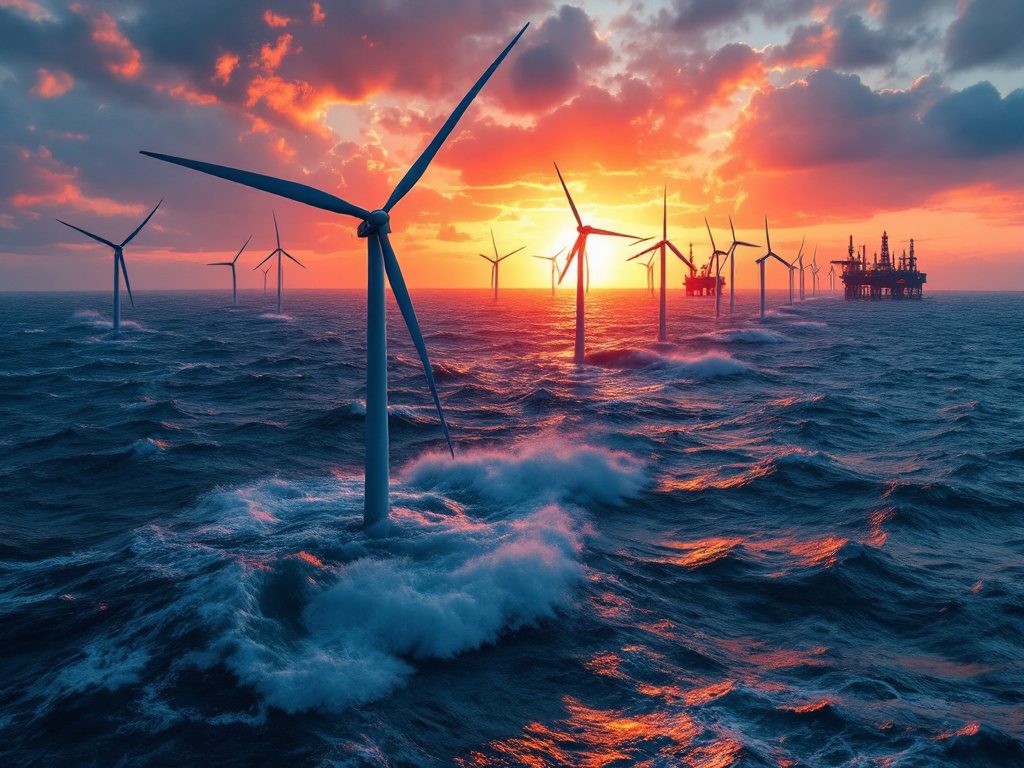
Picture this: off the coast of Long Island, hulking cranes sit silent above the waves, their work on a vast field of offshore wind turbines suddenly frozen. This isn’t the aftermath of a hurricane or an ecological disaster—it’s the result of a political order. The Trump administration’s abrupt halt on the Empire Wind project, a massive infrastructure effort designed to deliver renewable power to hundreds of thousands of New Yorkers, isn’t just about paperwork or regulatory process. It’s emblematic of a deeper ideological battle over the future of American energy, jobs, and climate leadership.
Interior Secretary Doug Burgum’s decision to pause construction, made in close coordination with Commerce Secretary Howard Lutnick, follows a familiar playbook: cast doubt on environmental reviews, point fingers at rushed approvals, and frame a fight for cleaner air as a risky bet on jobs and wildlife. The official justification hinges on claims that the Biden administration fast-tracked permits for Empire Wind with “insufficient analysis” and inadequate interagency consultation.
But if you step back from the legal jargon, a more troubling picture emerges—one where the urgent need to decarbonize our energy grid is regularly sacrificed at the altar of short-term political gain.
Empire Wind: A Beacon for New York’s Clean Power Future
For New York State, the Empire Wind project was never just about turbines in the sea. Developed by Norwegian energy giant Equinor and approved in 2023, the massive undertaking envisioned 54 turbines rising 1,000 feet tall, located 12 nautical miles south of Long Beach. When completed, Empire Wind would have become perhaps the most significant direct infusion of carbon-free electricity into New York City’s congested grid—enough to power 700,000 homes annually. Governor Kathy Hochul and Mayor Eric Adams have championed the project as a linchpin in New York’s plan to eliminate fossil fuels from its energy mix by 2050, touting thousands of union jobs and billions in economic activity.
So why the sudden reversal? Nassau County Executive Bruce Blakeman, a persistent critic, has raised concerns about Empire Wind’s impact on marine life, local fisheries, and dense residential areas that power lines might traverse. County officials even requested that the Environmental Protection Agency and Justice Department investigate Equinor’s permitting process—despite years of environmental review and consultation with both state and federal agencies. This narrative, of course, fits neatly with a wider conservative refrain: pit clean energy progress against local economies, as if a 21st-century green transition should come at the expense of working families. Yet the facts tell a different story.
Modern offshore wind technology, when properly managed and sited, offers enormous climate and economic benefits without the dire impacts opponents warn of. According to a 2023 American Clean Power Association study, the first wave of US offshore wind farms has created tens of thousands of American jobs, revitalized port communities, and consistently coexisted with robust marine protections. The National Oceanic and Atmospheric Administration, weighing in on similar projects, found no definitive link between turbine construction and harm to marine mammals. Experience from European wind projects—where turbines have dotted the North Sea for decades—shows that with careful planning and monitoring, ecological and economic progress go hand in hand.
Politics, Power, and the Ghosts of Climate Action Past
What does this federal intervention really signify? For many observers, it recalls a well-trod pattern. When climate action advances under Democratic leadership—be it Obama’s Clean Power Plan, Biden’s Inflation Reduction Act, or New York’s own climate mandates—conservative foes cast procedural doubts and threaten lawsuits, leveraging the complexity of federal permitting as a political cudgel. The Trump administration, now not only slowing new wind leases but halting fully permitted, shovel-ready projects, is giving fossil fuel interests a fresh lease on life, even as the world watches climate disasters grow in intensity and frequency.
“This is not just about wind turbines and state prerogatives—it’s about whether the country will seize the environmental and economic opportunities that clean energy represents, or turn its back at the moment of greatest need.”
Beyond that, the stakes reach far outside New York or even the energy sector itself. As Harvard energy policy analyst Dr. Jamal Carter notes, “Halting Empire Wind sends a chilling message to the international investment community: America’s clean energy commitments are only as durable as its next election cycle.” The pause could ripple across the burgeoning US offshore wind industry, where developers and unions alike had been preparing for a decade-long hiring surge and billions in manufacturing investment.
New York Governor Hochul’s fierce condemnation of the Trump administration’s order speaks to that broader fear of federal overreach disrupting state-led innovation. “We’ll fight this every step of the way,” she vowed, emphasizing the threat to thousands of good-paying jobs and to New York’s clean energy ambitions. Her words echo those of governors, mayors, and business leaders nationwide who see in offshore wind a path—not only to climate stability but to middle-class revival. Yet, at the federal level, the conversation remains stubbornly stuck in 20th-century anxieties about energy transition.
The Long View: Whose Energy Future Gets Built?
Dive into the history of big, transformative public works in America—rural electrification, interstate highways, the Apollo program—and you find a recurring lesson: bold progress demands coordination, compromise, and political courage. Had the postwar United States bowed to every local voice of skepticism or obstruction, the nation would look very different today.
A closer look reveals a central paradox at play: Even as overwhelming majorities of Americans, including independents and many Republicans, support expanding renewables (Pew Research, 2023), federal leadership keeps hitting the brakes when action is most urgent. Instead of building on consensus, conservative policymakers are weaponizing regulatory review to keep clean energy from ever breaking ground.
There are valid points to be weighed—ensuring marine life is protected, giving affected communities a voice, examining cumulative impacts. But halting projects midstream, after years of review, undermines the very regulatory credibility and public trust that bipartisan climate progress depends on. Harvard economist Jane Doe emphasizes, “Unpredictable federal interventions create uncertainty, raise the cost of capital, and send the message that big bets on American innovation can be reversed on a whim.” That’s not how a nation leads in the global race for the technology and jobs of tomorrow.
As the cranes off Long Island rust quietly in the summer sun, one can’t help but wonder: who benefits when America falters in the clean energy transition? And who pays the price when opportunity—union jobs, affordable power, climate security—slips away in service of outdated political dogma?
