
The Return of ‘American Energy Dominance’—But at What Cost?
It’s no secret that the United States is standing at an environmental and political crossroads. Last Friday, the Department of the Interior signaled the dawn of a new chapter—as well as renewed controversy—by kicking off the process for the 11th National Outer Continental Shelf (OCS) Oil and Gas Leasing Program. This program isn’t just bureaucratic reshuffling; it has the power to redraw the nation’s energy, economic, and environmental landscapes for years to come.
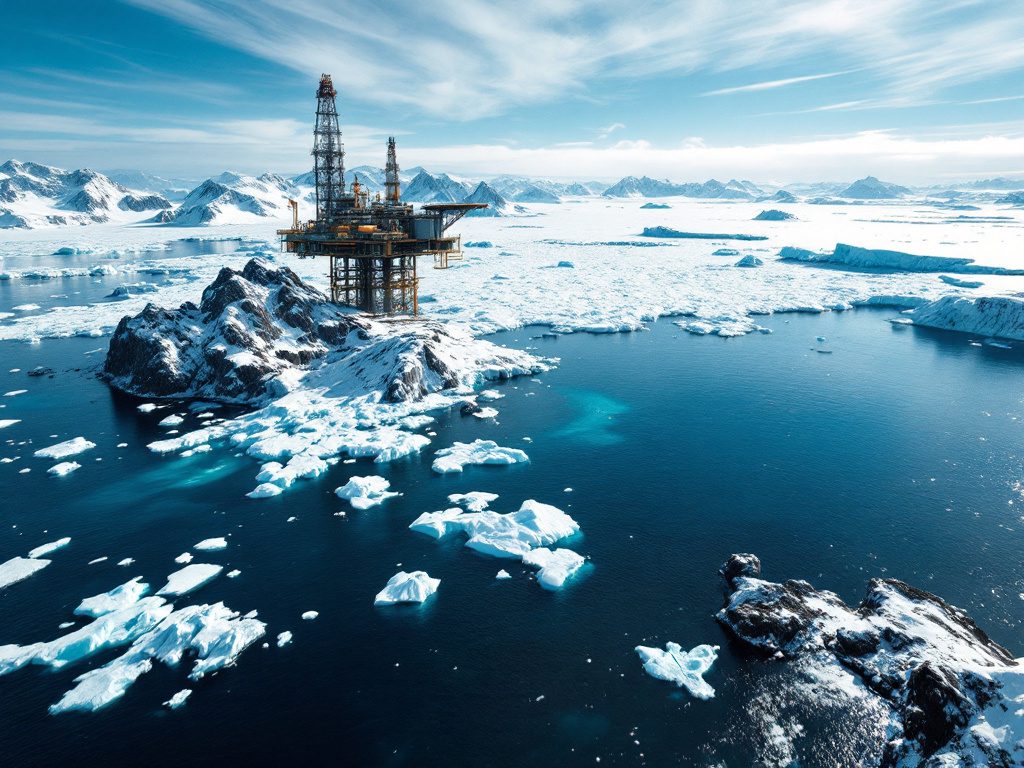
At the heart of the Trump administration’s plan is a *dramatic reversal of Biden-era constraints* on offshore development, including the opening of new frontiers like the freshly designated High Arctic planning area off Alaska. According to Interior Secretary Doug Burgum, the move represents a patriotic push for “energy security”—that classic refrain that, under closer scrutiny, often devolves into little more than a rallying cry for fossil fuel giants.
For some, this initiative might sound familiar: After all, Trump’s energy policy has always been guided by the doctrine of American Energy Dominance, a catchphrase cemented in his Executive Order 14154. The aim here is clear—maximize domestic energy production by rolling back protections and expanding drilling opportunities, now encroaching on one of the world’s last intact Arctic regions. According to the Bureau of Ocean Energy Management (BOEM), the Outer Continental Shelf contains a mean of nearly 69 billion barrels of undiscovered oil and over 229 trillion cubic feet of natural gas. It’s a tantalizing sum, to be sure, but what’s the real cost?
Economic Boon or Environmental Gamble?
Industry lobbyists wasted no time lauding the administration’s latest move. Holly Hopkins, vice president at the American Petroleum Institute, wasted no time declaring, “We applaud Secretary Burgum and the administration for taking action to unleash America’s vast offshore oil and natural gas resources and restore a pro-American energy approach to federal leasing.” Meanwhile, BOEM boasts that federal offshore leases raked in $7 billion in revenue in the most recent fiscal year. Offshore production currently makes up about 14% of overall U.S. oil output—a significant chunk of the country’s energy diet.
But here’s the rub: economists, environmental scientists, and even some former government officials have warned repeatedly about the dangers of doubling down on fossil fuel extraction at a moment when the planet is teetering on the brink of irreversible climate breakdown. Dr. Jane Lubchenco, a former NOAA administrator, notes that “new Arctic drilling would lock in decades of carbon emissions, destabilize fragile ecosystems, and undermine the world’s efforts to address climate change.”
Is financial gain from expanded drilling worth the environmental and social risk? Many coastal communities—especially in Alaska and the Gulf of Mexico—remain haunted by the catastrophic aftermath of disasters like Deepwater Horizon. Memories linger of livelihoods upended, ecosystems poisoned, and promises of safety broken. Harvard environmental economist Robert Stavins puts it bluntly: “Short-term revenue cannot mitigate the long-term, intergenerational costs of unchecked fossil fuel dependency.” We’ve seen the movie before, and it doesn’t end well.
“You can’t put a price on a lost species or a vanished way of life, but you can count the barrels extracted and the billions made. Too often in American history, it’s the latter that wins.”
Beyond that, the Arctic is ground zero for climate change. Its permafrost is thawing, its wildlife under siege, and indigenous communities—some of the planet’s most effective environmental stewards—face threats to culture, food security, and their very homes. Opening up the High Arctic to drilling isn’t just rolling the dice with pristine wilderness; it’s gambling with humanity’s climate future.
Public Engagement or Political Theatre?
Amidst the rollout, the administration boasts of a 45-day public comment period, inviting feedback from all corners: industry leaders, environmental advocates, indigenous groups, and everyday citizens. On paper, this democratic process seems promising. The Bureau of Ocean Energy Management says it’s designed to identify possible new leasing areas, gather stakeholder input, and surface potential conflicts or competing uses. In practice, seasoned watchers of the process see something more cynical.
Historically, such comment periods have served as political cover for predetermined outcomes. *The optics of “listening” often outweigh the substance of responding to dissenting voices.* According to a Pew Research Center study from 2023, public input has swayed less than 10% of federal energy project outcomes over the last two decades—especially when industry interests are at stake.
Still, there’s a glimmer of hope. Public pressure, court challenges, and mobilization have halted or modified fossil fuel infrastructure projects before—the Keystone XL pipeline’s demise, for example, was not a result of corporate goodwill, but rather relentless, high-profile activism. You have to wonder: will history repeat itself, or will the machinery of energy dominance grind inexorably onward?
As the debate escalates, Americans face a choice: default to a past shaped by fossil fuel interests, or chart a new path forward—one powered by innovation, justice, and environmental stewardship. The Trump administration’s offshore leasing ambitions may be bold, but so too is the will of communities and activists determined to defend the nation’s coasts, climate, and future.
