
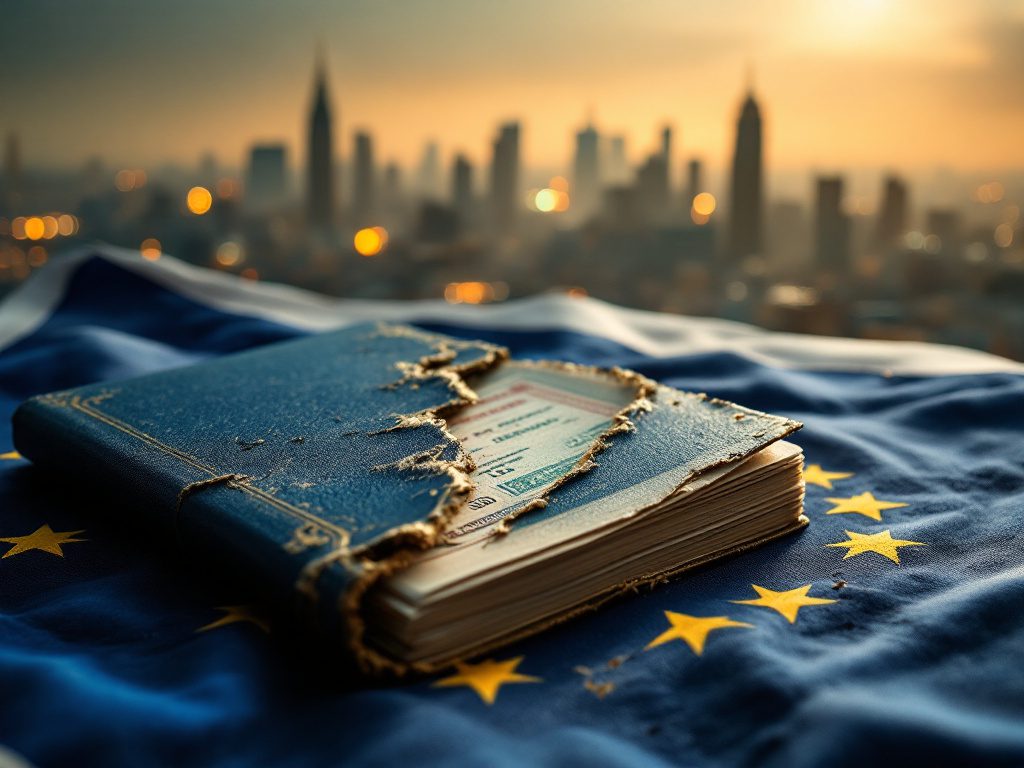
When Diplomacy Gets Stonewalled: The French Lawmakers Barred
Late last week, as the dust of diplomatic jargon and tense negotiations settled, a fresh controversy erupted in European-Israeli relations. Israel abruptly revoked the visas of 27 French left-wing lawmakers—many affiliated with the Ecologist and Communist parties—just 48 hours before their official government-sanctioned trip. Invited by the French consulate in Jerusalem, their five-day mission was billed as one aimed to “promote international cooperation and the culture of peace,” spanning visits across Israel and the Palestinian territories. Their visas were not only approved but finalized weeks prior, making the sudden reversal an alarming escalation in diplomatic protocol that both stunned and galvanized observers in Paris and Brussels.
What could provoke such a dramatic about-face? According to Israel’s interior ministry, a domestic law authorizes authorities to bar entry to individuals or groups suspected of acting “against the state of Israel” or threatening national interests. Yet not even two days prior, these same lawmakers—inclusive of National Assembly deputies like François Ruffin, Alexis Corbière, and Julie Ozenne—were assured entry. For many, including some career diplomats, this marks one of the most startling cases of last-minute political exclusion in recent memory.
Beyond that, the cancellation was no isolated incident. Only weeks earlier, two British MPs were deported from Tel Aviv airport, and two left-leaning European Parliament members were blocked entry in February. This emerging pattern points to a tightening of Israel’s stance against foreign officials—particularly those voicing support for Palestinian rights or statehood—fuelling international concern about the health of open diplomatic exchange.
A Major Rupture: Diplomatic Shockwaves Reverberate
“We have been collectively punished,” declared members of the French delegation, some speaking directly from Paris, others from hastily organized press briefings. In a written appeal, the group called the visa revocation a “major rupture in diplomatic ties”—a sentiment echoed across French political party lines. France’s Foreign Ministry, already frayed from President Emmanuel Macron’s recent pledge to recognize Palestinian statehood “soon,” now finds itself pushed further into the diplomatic crosshairs.
Israeli Prime Minister Benjamin Netanyahu wasted no time framing France’s possible recognition of Palestine as a “huge reward for terrorism.” Such rhetoric, however, falls flat with European progressives who argue that denying parliamentarians access—especially on missions focused on peace and dialogue—undermines the very concept of democratic diplomacy. It wasn’t lost on many that the affected lawmakers represent France’s left-leaning parties, the most consistent and vocal critics of Israel’s occupation policies and aggressive military campaigns, particularly following the ongoing violence in Gaza and the West Bank.
Is there more at play than tit-for-tat diplomatic gamesmanship? Experts suggest Israel’s growing reliance on entry bans reflects a deliberate pivot to defensive nationalism. “It’s a worrying trend,” Harvard political scientist Leila Boulata noted in an interview with France24. “By shutting out critics, Israel not only runs the risk of isolating itself internationally but also damages the credibility of its security rationale in the eyes of its allies.”
“Diplomatic rifts are rarely born of a single act, but what we are witnessing is the cumulative effect of shutting doors—sometimes literally—on voices of dissent and scrutiny.”
– Leila Boulata, Harvard University
Public reaction within France has been swift and sharply critical. Many see the visa cancellations as a symptom of a broader democratic backsliding, echoing concerns raised elsewhere about Israel’s efforts to silence international voices uncomfortable with its policies in the occupied territories. Conservatives may argue this is just prudent self-defense, but do such tactics truly serve Israel’s long-term security or simply erode vital alliances?
Patterns of Exclusion and Their Consequences
This isn’t just a breach of protocol—it’s a warning sign for those invested in international law and human rights. Escalating restrictions on foreign lawmakers paint a troubling picture for advocates of open dialogue. The French consulate’s original invitation made plain that the delegation intended not to grandstand, but to listen, learn, and report back—precisely the kind of soft-power diplomacy Western nations uphold. Revoking visas so close to the trip signals a new level of hostility to oversight and constructive criticism.
Recent precedent makes this trend hard to ignore. Elected officials from across Europe—progressive or critical—now live with the knowledge that their passage into Israel might not be honored, regardless of prior assurances or diplomatic backing. The message: questioning the occupation, or advocating for Palestinian rights, can render you persona non grata. As seasoned French lawmaker Alexis Corbière lamented to Libération, “Barring parliamentarians from witnessing realities on the ground doesn’t change those realities; it only deepens the gulf of misunderstanding.”
International legal organizations—Amnesty International included—warn that such exclusions “chip away at the delicate architecture of international accountability.” Diplomatic initiatives from policymakers are not mere optics. They allow for firsthand observation—a vital ingredient for responsible foreign policy, not just a luxury for placating critics at home.
History offers a sobering parallel. During the later stages of apartheid South Africa, international delegations were routinely denied access under pretexts of security or national interest—a move that only increased criticism and hastened global isolation. Are we now seeing the early warning signs of a similar global alienation, where shielding domestic policy from foreign scrutiny takes precedence over dialogue and reform?
The French lawmakers have called directly on President Macron and senior officials to intervene, pressing the argument that democratic nations must insist on transparency even when the truth is uncomfortable. Yet with Israel doubling down, the question remains: will France and its European allies push back with more than words, or quietly acquiesce to a new world where even elected officials are unwelcome if they ask the wrong questions?
