
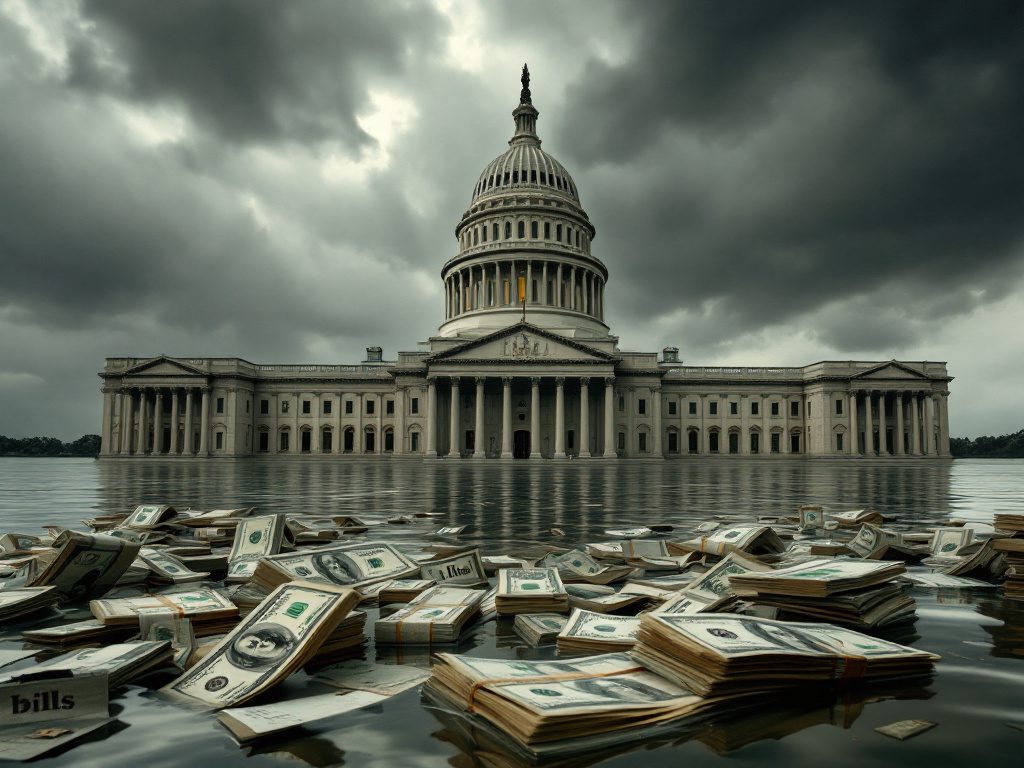
A Flood of Money: California’s Influence Machine Reaches New Heights
More than half a billion dollars—a staggering $540 million—was funneled into Sacramento’s halls of power in 2024, eclipsing all previous records for lobbying in California. Behind those numbers is the kind of relentless, persistent advocacy that makes political observers—and everyday voters—wonder: Who really runs the state? The latest analysis from the nonprofit newsroom CalMatters unveils a system in which outsized corporate interests, tech giants, and energy titans routinely outspend and outmaneuver groups representing the public at large.
Why did lobbying soar to such remarkable levels? For one, California is the world’s fifth-largest economy, and state laws often set national precedents. This year, a convergence of special legislative sessions—most notably those targeting the oil industry and artificial intelligence—turned the state Capitol into a battleground for America’s most powerful companies. The Western States Petroleum Association (WSPA) led the charge among oil companies, shelling out a jaw-dropping $17.3 million as it fought proposals to rein in gas prices and tighten regulations on oil and gas. Even more revealing: WSPA reported public stances on 18 bills in the last session and ultimately prevailed in two-thirds of those fights.
Tech’s lobbying footprint expanded dramatically, too. Google’s Sacramento influence operation, routed through the Computer & Communications Industry Association, accounted for more spent in 2024 than the company had shelled out in the previous 20 years combined—a seismic shift in digital power politics. Utilities proved just as quiet and impactful; PacifiCorp, usually a minor player, poured $13.4 million into persuading lawmakers—a whopping 30 times its usual outlay, spurred by debates over wildfire liability and renewable energy obligations.
Harvard political scientist Theda Skocpol has long argued that concentrated economic power inevitably translates to political power, a thesis that plays out with uncanny consistency in California’s 2024 numbers. The result: an environment where ordinary citizens’ voices are all too easily drowned out.
Who Gets Heard? Inside the Arms Race for Legislative Influence
Beyond the top-line figures, the details reveal a story that should give every Californian pause. When $540 million washes over the Capitol, not all interests benefit equally. Labor unions—historically a core pillar of California’s progressive coalition—were practically left in the dust. Only two, the Service Employees International Union (SEIU, $3.4 million) and the California Teachers Association ($3.1 million), managed to crack the $1 million mark. Compare this to the Western States Petroleum Association and PacifiCorp, and the deck looks deeply stacked in favor of business.
Lobbying transparency is another area where Sacramento falls short. Despite robust requirements on reporting lobbyist spending, California law does not oblige disclosure of exactly which lawmakers met with lobbyists, nor how specific bills were targeted in those conversations. “It’s like following footprints in wet cement right up to a locked door,” explains Fresno State University political scientist Thomas Holyoke. “We know where the money goes, but not which elected officials answered.” This lack of sunlight frustrates open-government advocates and regular citizens alike.
The outcomes speak volumes. According to CalMatters, corporate interests like WSPA saw their preferred positions prevail about 60% of the time, and some analyses suggest the true effectiveness rate is higher over the long term. No surprise, then, that lobbyist ranks are swelling: 2024 marked the largest increase in registered lobbyists California has seen in over a decade, a clear signal that corporations believe more money buys more results.
“When lobbyists with multimillion-dollar budgets and deep-pocketed backers continually occupy the front rows, ordinary people and public interest groups get relegated to the nosebleeds—if they’re admitted at all.”
Imagine a parent, teacher, or environmental activist heading to Sacramento to lobby for clean air or fair public education funding. How could their $1,000 or even $10,000 annual activity hope to compete with Google’s or Big Oil’s eight-figure influence machines? This is not merely an abstract imbalance—it translates into real-life decisions affecting everything from air quality to school budgets, energy rates to consumer protections.
The Price of Power: Democracy at a Crossroads
The scale of corporate lobbying efforts demands a reckoning with the basic health of California’s democracy. While elected officials answer to their constituents in theory, in practice, the persistent, well-funded presence of large corporations in policy making means the playing field is perpetually tilted. As scholar Lee Drutman of the New America Foundation reminds us, “Lobbyists don’t buy votes; they buy time and access.” That access, doled out in conference rooms and dinner banquets, shapes the very nature of the lawmaking process in ways most citizens rarely see.
Real-life consequences abound. Consumer protection group Consumer Watchdog has gone so far as to sue the California Insurance Department, alleging that regulators allowed insurance companies to pass $500 million in costs onto customers—all while insurance industry lobbyists outspent nearly everyone else. “This isn’t just about process, but about Californians’ wallets,” argues Consumer Watchdog’s Jamie Court.
History offers lessons, as well. In the aftermath of the energy deregulation crisis of the early 2000s, California saw how unchecked energy-industry lobbying led to rolling blackouts and skyrocketing prices. Today, memories of that debacle remain painful for communities still struggling with utility rate hikes and wildfire risks—a persistent reminder of what can go wrong when corporate interests dominate policy.
Solutions aren’t out of reach. Advocates call for strengthened disclosure requirements, limits on lobbyist spending, and a reinvigorated public financing system for campaigns—measures embraced in other states with positive results. As voter trust in institutions wanes, state leaders must answer a blunt question: Whose interests are being served in Sacramento? Until the answer changes, California risks becoming, as Skocpol puts it, “a democracy of, by, and for those who can afford it.”
