
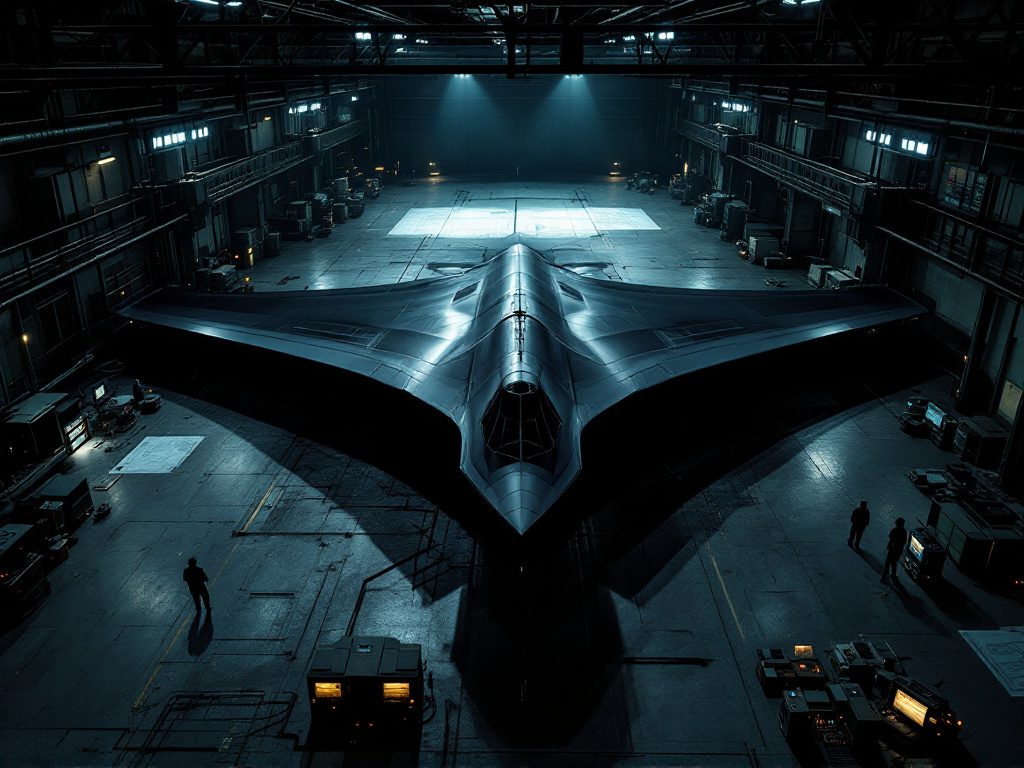
Steep Losses on Stealth: Northrop Grumman’s B-21 Gambit
What does it mean when America’s leading defense contractor racks up more than $2 billion in losses on what is supposed to be the Air Force’s premier next-generation stealth bomber? Not just a quarterly hiccup—it’s an illuminating case study in how American defense priorities, fiscal stewardship, and industrial policy collide, often with punishing results. Northrop Grumman’s recent disclosure of a $477 million pretax loss on initial B-21 Raider production catapulted its cumulative red ink for the program past a whopping $2 billion. Shares fell 10% in pre-market trading after the news broke, signaling Wall Street’s anxiety over accountability and profit margins at even the mightiest military firms.
The public rarely sees inside the sausage factory of Pentagon procurement, and for good reason. The B-21 Raider program—a contract inked in 2015 under fixed-price terms—means Northrop, not taxpayers, swallows any cost overruns above a certain threshold during early manufacturing. But that fixed-price defense is cold comfort when the price tags balloon and production snags threaten long-term schedules—not to mention the risks to America’s strategic airpower, which relies on timely delivery of new bombers as older fleets become obsolete.
Northrop’s CEO Kathy Warden, in a first-quarter earnings call, stressed that these losses are front-loaded. She claimed that pulling forward higher material spending and shifting manufacturing processes will ultimately position the company to accelerate bomber production down the line—potentially to 145 aircraft, a substantial jump from the original target of 100. “Progress sometimes demands sacrifice upfront,” she implied, as if shareholders and taxpayers alike should simply trust in the long-term plan.
Manufacturing Miscalculations and the Costs of Secrecy
Beneath the surface, Northrop’s B-21 travails reflect a familiar problem in U.S. defense circles: the endemic underestimation of complexity and cost, masked by layers of secrecy and optimistic projections. According to Harvard defense acquisition scholar Dr. Mark Thompson, over-optimistic bids have become commonplace in major Pentagon projects, often encouraged by a system that rewards aggressive timelines rather than realistic accounting. “It’s a recurring pattern: contractors pledge the moon to win the deal, then scramble amid ballooning costs and unforeseen technical hurdles,” Thompson explains.
This charge—the fourth sizeable loss in two years—has been exacerbated by a deliberate process change intended to increase build rates for the first five low-rate initial production (LRIP) bombers. According to Northrop, these adjustments sprang from joint decisions with the U.S. Air Force to ensure the production line could, down the road, deliver more bombers, faster. That may ultimately support the Pentagon’s revised ambitions for up to 145 B-21s, but for now, it means the company absorbs the financial shocks internally. While the Pentagon did offer $60 million in inflation relief, Northrop is shouldering the bulk of cost overruns—hardly a minor inconvenience for shareholders expecting steady growth.
The calculation is that short-term pain will bring long-term gain. Yet, the ongoing losses raise stark questions about whether this is just another case of a defense firm underestimating the challenge, banking on eventual Pentagon bailouts. Northrop’s refusal to specify how much of this latest charge is tied to the manufacturing overhaul—”classification reasons,” according to Warden—adds opacity where public oversight demands transparency. Is this opaque approach defensible when billions in public and private funds ride on the outcome?
Accountability, Strategic Risk, and America’s Defense Priorities
No one disputes that the Air Force needs a successor to its Cold War-era bomber fleet. The B-21 is meant to be the cornerstone of next-generation airpower, boasting improved stealth, range, and digital architecture. But at what cost—financially, strategically, and in public trust? Boeing’s experience with the KC-46 tanker, another fixed-price disaster, shows the potential dangers: delays, technical mishaps, and contractors locked in a cycle of losses that impedes innovation and limits competition. The B-21, while no KC-46, now threatens to become another cautionary tale if unchecked.
The Pentagon’s fixed-price contracts were once hailed as a mechanism to protect taxpayers, but history paints a more complicated picture. The Government Accountability Office’s (GAO) 2023 assessment found that nearly half of fixed-price major defense programs still end up receiving financial relief or renegotiations, eroding the intended discipline. The temptation for contractors to “buy in” to win contracts, with hopes that losses will be recouped on later modifications, is ever-present.
The bigger issue facing U.S. defense procurement is structural: how to balance innovation, fiscal restraint, and the uncompromising demand for military readiness. The nation’s adversaries aren’t waiting for our teething problems to sort themselves out. China’s rapid military modernization, for example, places real pressure on the U.S. to innovate quickly and field credible deterrents. Yet if the cost is a procurement system that breeds public cynicism and diverts billions—without ironclad accountability—what exactly are we securing?
“The pattern of underestimating costs and over-promising delivery timelines in U.S. defense programs is not just a budgeting issue—it’s a test of democratic trust and strategic foresight.”
A Progressive Path Forward: Transparency Over Secrecy, People Over Profits
The B-21 debacle is more than corporate ledger numbers or Pentagon headlines. It’s a reminder of the need for genuine accountability and transparency in the military-industrial complex. How else can Americans know if those billions destined for “national security” are making them safer—or simply enriching a powerful few under the cloak of secrecy?
Demands for reform aren’t partisan. Progressives have long championed oversight and prudent budgeting, arguing that every dollar wasted on cost overruns is one denied to education, health care, and social infrastructure. Defense must be effective, but not unaccountable. A closer look reveals there is room for both a strong military and a just society—if leaders resist the lure of unchecked spending and demand answers at every phase.
Northrop Grumman’s latest stumble on the B-21 should be a wake-up call: Rigorous public oversight is not an obstacle but a necessity. In a democracy, the national interest is not served by secrecy, cost obfuscation, or blind faith in corporate reassurances. It’s time to demand that defense dollars—billions of them, year after year—work as hard for all Americans as they do for shareholders and Pentagon planners.
