
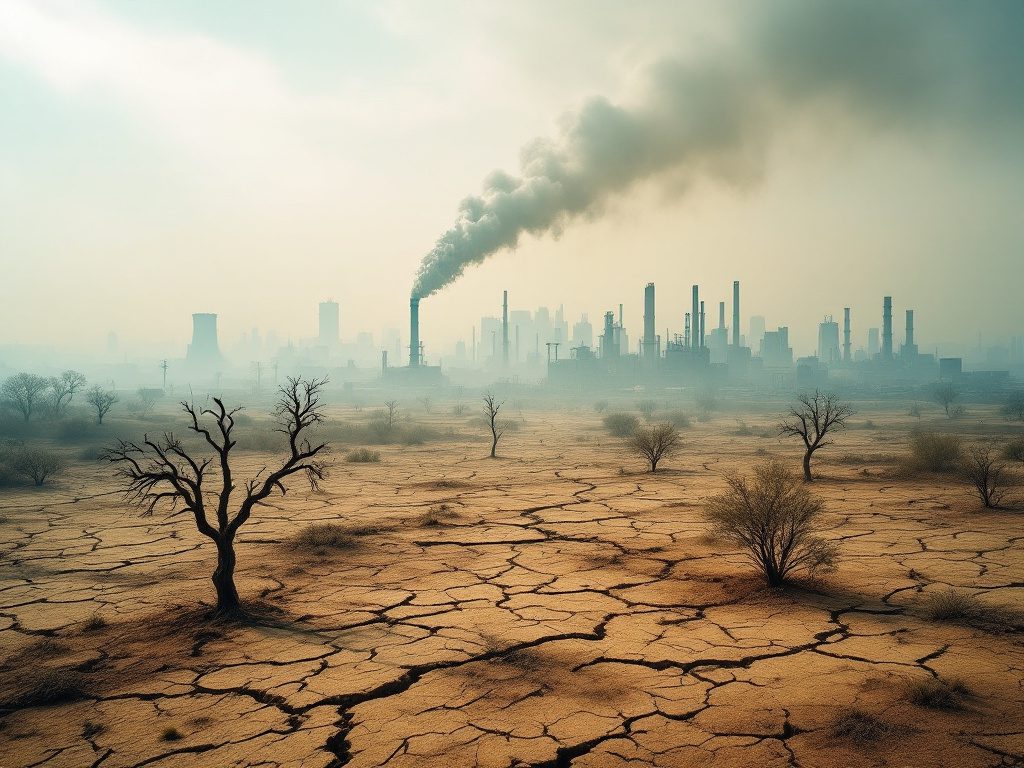
Shocking Numbers: Climate Damage Traced Directly to Corporate Giants
Few headlines have been as stark or consequential for the global climate fight as this: the world’s 111 largest carbon-emitting companies are now directly linked to an estimated $28 trillion in climate damage. The latest peer-reviewed study, published in Nature by a research team from Dartmouth College, dials in on something long whispered in activist and policy circles but rarely quantified so precisely—major fossil fuel companies like Saudi Aramco, Chevron, ExxonMobil, BP, and Shell have driven immense planetary harm, and researchers have painstakingly traced those costs back to their source. Certified numbers, not just strident rhetoric, now tighten the screws.
For the first time, the study uses a sophisticated method to connect company-specific emissions from the widely regarded Carbon Majors database with extreme heat damages worldwide. While climate advocates and frontline communities have long argued for accountability, skeptics often dismissed these calls, asking: Can you really prove that Chevron, BP, or Gazprom caused this drought, that heatwave? The study, led by Christopher Callahan (then Dartmouth, now Stanford), doesn’t just say yes; it shows exactly how much blame should fall on each polluter’s doorstep—down to the decimal. According to the team, every 1% of greenhouse gas emissions released since 1990 has produced $502 billion in heat damage, all traced by company ledger.
Oil and gas apologists are already bristling at the implications. With plaintiffs in at least 68 global lawsuits—most notably in the United States—wielding these results, the corporate pushback has begun in earnest. Yet, with the science now on the litigation’s side, the tone of global accountability is shifting unmistakably.
Who Pays the Price? The Toll on Communities and the Case for Accountability
A closer look reveals the scale of the problem—and the scale of injustice. More than half the astronomical $28 trillion in climate damages is chalked up to just ten companies. Saudi Aramco, Gazprom, Chevron, ExxonMobil, BP, Shell, National Iranian Oil Co., Pemex, Coal India, and the British Coal Corporation together account for a lion’s share of the world’s pain. Why should ordinary citizens, local governments, and impoverished nations foot the bill for disasters whose roots are so clearly corporate? History is repeating itself from the era of Big Tobacco and opioid manufacturers, whose denial and deflection tactics ultimately gave way to massive legal settlements and overdue reckoning.
According to Harvard environmental policy scholar Joseph Aldy, “What’s remarkable is not just the scientific attribution but also the legal strategy it empowers. The public is no longer left blaming an abstract system; we can point the finger at specific actors and say, ‘You broke it—you fix it.’”
The research method is neither speculative nor politically wishful. It goes as far back as 137 years, using thousands of computer simulations to model how each company’s annual emissions raised global temperatures and in turn unleashed destructive heat waves, deadly wildfires, and ecological collapse. Dartmouth’s data reveals Chevron alone pushed global average temperatures up by a chilling 0.25 degrees Celsius. While that figure may sound small, it’s a seismic shift on a planetary scale—and for communities bearing the brunt, it’s the difference between survival and devastation.
“The science isn’t just telling us that corporations are responsible. It’s showing us how much they owe the world’s most vulnerable for costs they’ve deliberately externalized for decades.”
Zero Carbon Analytics, a leading research firm, counts that more than half the world’s climate litigation now targets these very companies. Lawsuits are moving out of the realm of theory and into the courts—with real damages, real plaintiffs, and real precedents taking shape.
The Path Forward: Lessons, Obstacles, and Demands for Justice
Beyond that, the fight for climate accountability faces predictable—if fierce—obstacles. Fossil fuel companies deploy vast legal teams arguing that the blame is diffuse and that society as a whole is responsible for carbon addiction. The echo of the tobacco industry’s playbook couldn’t be clearer. Yet unlike in the past, today’s plaintiffs are armed with peer-reviewed data, vivid computer modeling, and a rapidly warming world as evidence.
So what does justice look like in an era of trillion-dollar climate damage? Financial compensation for affected households and communities is critical, but progressive policy thinkers stress the urgent need for systemic change. Diversifying economies that have been reliant on oil, investing in renewables instead of fossil fuels, and elevating the voices of frontline communities all move us closer to “climate reparations” that aren’t just symbolic, but transformative.
History is replete with examples where accountability lagged behind harm: from asbestos to tobacco, big industry often stonewalled until science and citizen action forced their hand. Halting the climate crisis will require global solidarity, legal creativity, and above all, the dogged insistence that those who reap record profits do not get to sidestep responsibility while the world pays in lives, land, and livelihoods.
Policy inertia and legal hurdles are formidable, but the groundwork is now solid. With the science giving aggrieved communities the tools they need, the dominoes are poised to fall. According to a recent Pew Research survey, over 60% of Americans now support holding fossil fuel companies financially responsible for climate change consequences. Political winds are shifting, but only persistent public pressure will transform these breakthroughs into lasting, structural reform.
The moral clarity of this moment is undeniable: It is time for the world’s biggest polluters to finally pay up—for the sake of a liveable planet, for climate justice, and for future generations who refuse to inherit a scorched Earth.
