
The Rule Repeal—Political Theater or Policy Setback?
As the gavel struck to close Wednesday’s session, the U.S. Senate narrowly passed a resolution to
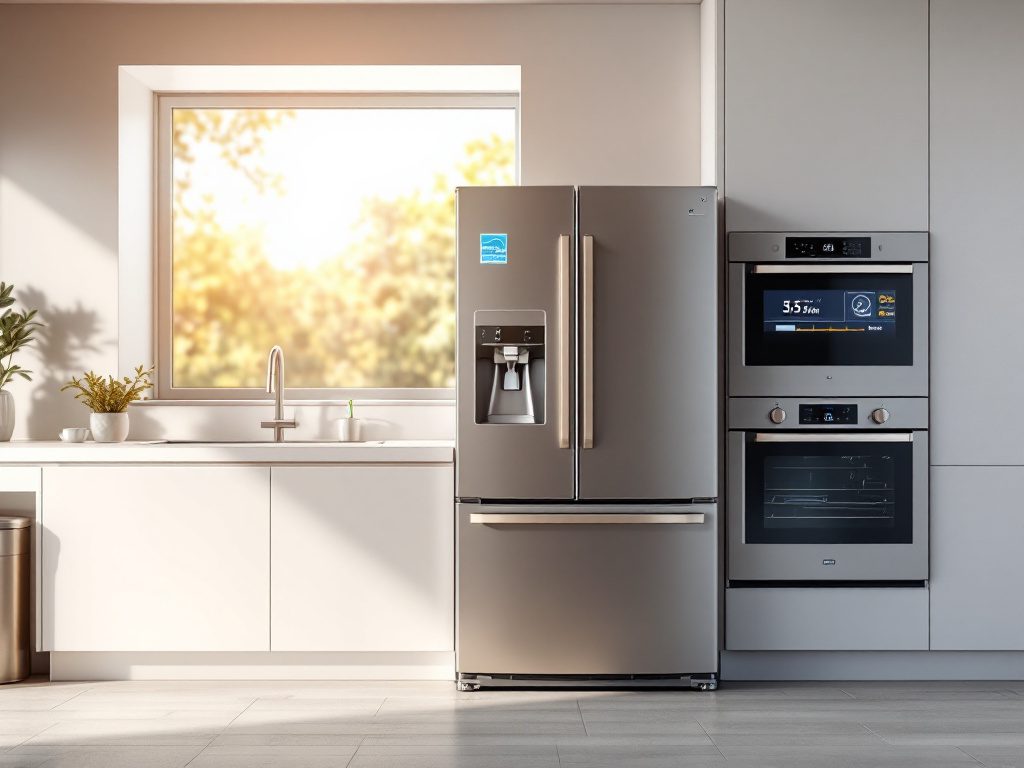
repeal Biden-era energy efficiency standards on appliances. The move, championed by freshman Sen. Jon Husted (R-Ohio) on his 100th day in office, is more than mere symbolism. With a 52-46 vote—barely clearing the hurdle by six votes—Congress signaled a willingness to discard a Department of Energy (DOE) rule that tightened efficiency and accountability requirements for 20 major appliances, including dishwashers, air conditioners, and washing machines.
What’s driving this effort to erase a regulatory framework intended to help modernize America’s energy use? According to Husted and Senate Majority Leader John Thune, the regulations place “unjustified burdens” on hardworking Americans and businesses, with Thune casting his net far wider: “Over the last four years, the Biden administration subjected Americans to an onslaught of regulations. Altogether, the Biden regulatory agenda cost $1.8 trillion. It heaped thousands of hours of paperwork on business owners and families.” These criticisms, amplified in right-wing circles and conservative media, frame the issue as one of regulatory overreach and threatened personal choice.
A closer look reveals that this rhetoric masks a deeper tension: the seemingly perennial battle between government’s role in public welfare and the conservative obsession with shrinking it at all costs. By scuttling certification and labeling for appliances, the Senate—enabled by the Congressional Review Act—also bans the DOE from reissuing a similar standard in the future. This is not simply political theater. It’s a coordinated assault on the administrative state’s mandate to safeguard the environment, consumer savings, and forward-looking innovation.
Who Really Pays When Energy Standards Are Repealed?
Let’s cut through the rhetoric about red tape strangling manufacturers and consumers. The regulations in question—criticized by their opponents as “costly and unnecessary”—offered little more than updated requirements for labeling, reporting, and certifying energy performance. The goal: provide clarity for consumers, crack down on outdated or wasteful machines, and give manufacturers a level playing field through transparent rules. So who stands to gain when Congress throws these standards out?
According to a 2022 report from the American Council for an Energy-Efficient Economy (ACEEE), appliance standards enacted since the 1980s have saved U.S. consumers over $2 trillion in utility bills and slashed household energy usage by an astonishing 14%. Even the DOE’s modest 2024 update would likely have continued this trajectory, enabling families to save money over the life of their appliances—not to mention reducing America’s reliance on fossil fuels.
What about those crying wolf over cost? “The average additional upfront cost of an efficient appliance is usually offset within a handful of years by energy savings,” notes Dr. Leah Stokes, a climate policy expert at UC Santa Barbara. Indeed, the House—which passed the repeal with some Democratic crossover—wasn’t swayed by the evidence. Instead, its debate fixated on short-term retail sticker shock and phantom compliance headaches exaggerated by industry lobbyists. The irony: consumers may now find themselves locked out of options that would cost less, use less, and contribute less to the nation’s carbon footprint in the long run.
The rollback may please big appliance manufacturers and those profiting from status quo inefficiency. Yet it sets a dangerous precedent for regulatory whiplash—one that puts corporate interests ahead of public benefit.
It’s families, renters, and low-income Americans who will feel it most: forced to buy older, wasteful appliances, left footing the bill for higher energy use, as the federal government relinquishes its primary lever for driving the market forward. It’s a bait-and-switch where consumer “freedom” is bought at the expense of prosperity for all.
If protecting consumer choice is really the goal, why gut a program that saves the average household hundreds every year, prevents deceptive labeling, and makes our most basic appliances cleaner and smarter?
What History—and Experts—Tell Us About Energy Policy Rollbacks
Beyond that, it’s worth remembering the backdrop: Energy standards aren’t a Biden invention. They’re the product of more than four decades of bipartisan problem-solving, stretching back to the Carter administration’s response to the 1970s oil crisis. Every president since—yes, including Reagan and Bush—expanded efficiency mandates. The hard data keeps coming: According to the U.S. Energy Information Administration, appliance and equipment standards have cut annual U.S. electricity demand by nearly 500 billion kilowatt-hours—a full 13% drop compared to what might have been.
When Democrats in the Senate called these rules “routine,” they weren’t being dismissive. The reporting, certification, and labeling updates overturned this week were unremarkable continuations of established administrative practice, designed to adapt to technical advances and shifting market conditions. Harvard environmental economist Joe Aldy puts it this way: “If anything, the cost of compliance is exaggerated, while the long-term gains for public health, climate, and household budgets go unreported. Undoing these rules backslides on one of the few clearly successful energy interventions we’ve had.”
Repealing such standards carries long-term risks for U.S. climate credibility and consumer welfare. Environmental advocates warn that undercutting these long-standing programs not only weakens America’s response to climate change, but surrenders its technological edge to nations with more ambitious energy agendas. What’s lost is not just regulatory structure, but a collective vision of progress based on shared sacrifice, innovation, and fairness.
So, what comes next? With the measure headed for President Trump’s desk and the Congressional Review Act barring revival of a similar rule, the damage may be lasting—unless a future administration and Congress have the political will (and votes) to once again put Americans, not just corporations, at the forefront of energy stewardship.
