
The Long Shadow of a Fabricated Crime
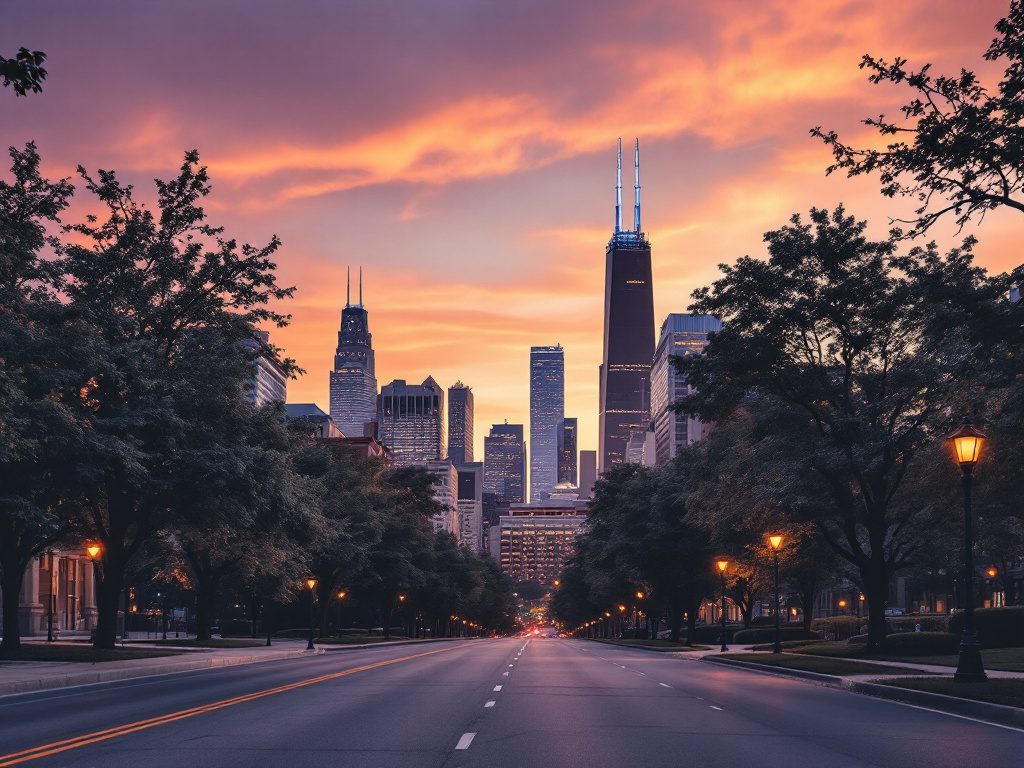
Cold air still clung to Chicago’s Streeterville neighborhood in the early hours of January 29, 2019, when Jussie Smollett, then a rising star on FOX’s “Empire,” called in a disturbing report: he’d been the victim of a vicious racially and homophobically charged assault. Two masked men, he claimed, shouted, “This is MAGA country,” poured bleach on him, and looped a noose around his neck. The nation took notice. The incident triggered outrage, media saturation, and rallying cries against hate. But as the city’s police force launched an all-hands investigation, another narrative, murkier and more damaging, began to emerge.
Resources were diverted from genuine emergencies as millions watched Chicago expend considerable time and taxpayer money to solve a case that police ultimately deemed a hoax staged by Smollett and two acquaintances, brothers Ola and Abimbola Osundairo. By April, the city had sued Smollett, seeking more than $130,000 to recoup law enforcement expenses. Smollett countersued, staunchly maintaining his innocence as the legal and political drama escalated.
How does a city ruled by deep-seated racial tensions and mistrust reconcile the spectacle—a high-profile claim proven false, inflaming social and partisan divides, while exposing profound flaws in the machinery of justice? The public’s answer, as the legal saga unfolded, was complicated, often cynical, and shaped by headlines that rarely offered easy clarity.
Backlash, Political Theater, and the Fight for Justice
In the wake of dropped charges and a subsequent uproar, justice itself became the center of the story. Chicago’s then-mayor Rahm Emanuel did not mince words. He called the dropped charges a “whitewash of justice,” articulating what many already felt: that celebrity, privilege, and political calculation had eroded confidence in the process. The decision by Cook County State’s Attorney Kim Foxx to negotiate a deal—community service, forfeiture of a $10,000 bond, no admission of guilt—left the city reeling.
A closer look reveals powerful forces that shape American justice, sometimes to its detriment. Recognizing the public’s outrage, a special prosecutor, Dan Webb, was brought in. The city, still burdened with both the financial and reputational costs, pressed on with its civil lawsuit.
Years later, the Illinois Supreme Court would overturn Smollett’s 2021 conviction—five felony counts of disorderly conduct, a 150-day jail sentence, and orders to pay restitution—citing his earlier non-prosecution agreement. Justice Elizabeth Rochford, writing for a unanimous court, acknowledged the deep dissatisfaction that had gripped Chicago and much of the nation. But she drew a boundary: “Justice requires honoring agreements made in good faith, even when they satisfy none of the parties.”
“Justice doesn’t bend to our outrage, our politics, or even a city’s bruised pride. It lives, or dies, by how faithfully we keep our word—even with those who have broken ours.”
Though Smollett maintained his innocence throughout, and advocates argued the prosecution’s efforts reflected bias and scapegoating, for many, the case illuminated a more fundamental challenge: Can the criminal justice system deliver justice when passions—and politics—run hot?
Lessons in Trust, Accountability, and Public Responsibility
The settlement, its terms undisclosed, brings down the curtain on a remarkable chapter in American legal and cultural history. Still, the core issues—trust in civic institutions, accountability, the cost of weaponized falsehoods—linger. Long after the cameras left, the people of Chicago have continued grappling with an uncomfortable reality: resources meant for protecting the city’s most vulnerable were deployed investigating a celebrity-driven spectacle. According to a 2023 Pew Research study, only 21% of Americans express trust in their local government to do what is right “just about always.” High-profile cases like this are a key driver of that skepticism.
Beyond that, the case exposed the tension between public pressure and the imperative for due process, truth, and equity. Experts warn these tensions are not merely abstract. Loyola University law professor Sheila Bedi notes, “When police and prosecutors respond to outrage rather than evidence, they risk undermining confidence not just in specific outcomes, but in the fundamental legitimacy of the law.”
Those on the political right have leapt at the Smollett case as proof of progressive hypocrisy, touting how public figures who fit the “woke” narrative escape accountability. Yet the facts are anything but tidy. While Smollett’s attempt to weaponize national fears for personal gain is indefensible, conservative grandstanding around a single high-profile case should not obscure far larger, systemic inequities that plague our criminal legal system. If anything, the relative speed and decisiveness with which Smollett was investigated, charged, retried, and ultimately overruled, stands in stark contrast to the impunity and protection often afforded to the wealthy and powerful—usually white—Americans who face justice only reluctantly, and too rarely.
In the end, the resolution of this case doesn’t offer the catharsis many longed for. Instead, it serves as a reminder: strong democracies require a commitment to fairness, no matter how uncomfortable the facts—and even when bad actors try to twist our best impulses into fuel for division. As the city moves on, perhaps the best path forward is a renewed focus on accountability for all, real support for victims of hate crimes, and a criminal justice system that places principle above politics, every day—not just when the spotlight demands it.
