
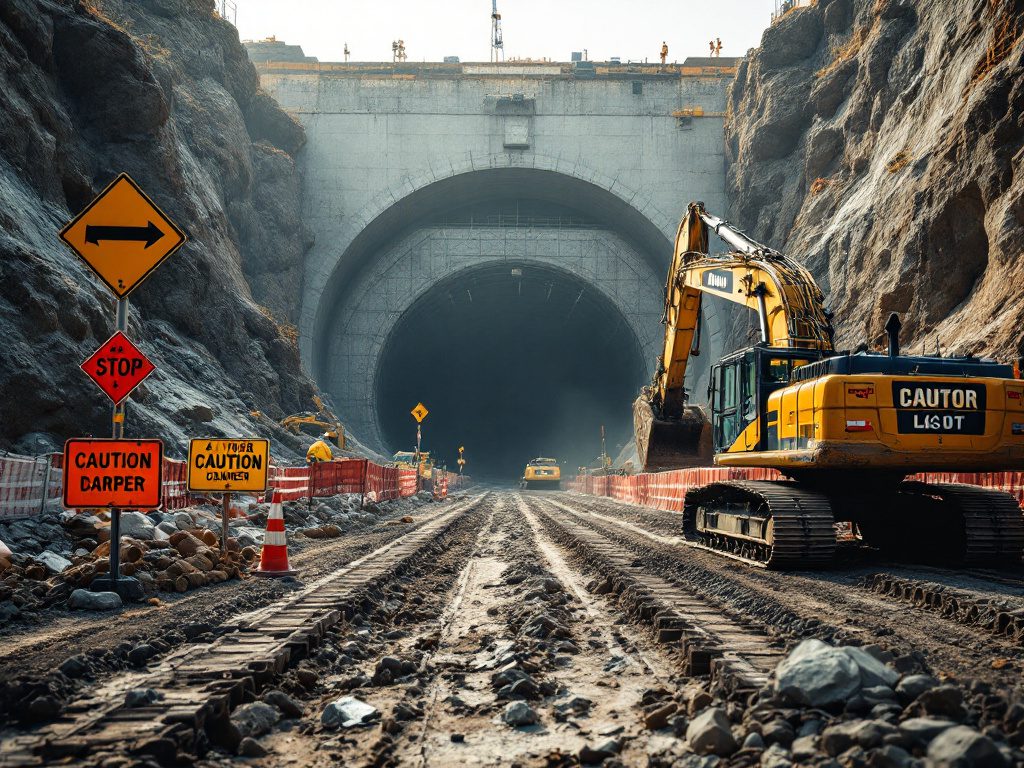
At the Precipice: The Army Corps and the Future of Line 5
Picture the narrow stretch where Lake Michigan meets Lake Huron, a blue expanse pivotal not just to the region, but to the environmental health and cultural identity of two countries. At the epicenter: Enbridge’s proposed tunnel for its aging Line 5 pipeline, a multibillion-dollar gamble beneath the Straits of Mackinac. Now, thanks to an expedited environmental review by the U.S. Army Corps of Engineers, the decision on whether this controversial project moves forward could arrive earlier than most had anticipated. But at what cost?
Less than a decade ago, a hair’s breadth prevented catastrophe when oil pipelines failed elsewhere in the Midwest, igniting memories for residents of Kalamazoo and devastating wildlife. With those images still fresh, many across Michigan and the Great Lakes region are questioning whether environmental safety is truly coming first—or if political expediency and fossil fuel interests dominate the calculus.
Accelerated Review, Compressed Voices
Major energy infrastructure decisions have seldom moved as swiftly as the current timeline for Enbridge’s Line 5 tunnel. The Army Corps of Engineers’ latest schedule, influenced by the Trump-era declaration of a national energy emergency, will open the Draft Environmental Impact Statement (EIS) for public scrutiny for just 30 days—half the standard window. According to the Corps, the comment period begins on May 30, 2025, and concludes on June 30. Critics argue this sharp reduction severely limits the opportunity for comprehensive public input, especially from tribal governments and local communities.
Enbridge, a Canadian energy giant with a checkered safety record, claims the tunnel — and its price tag exceeding $750 million — will all but eliminate spill risk from the four-mile pipeline segment underlying the Straits. Industry stakeholders tout the tunnel as a necessary improvement, asserting that energy reliability and environmental stewardship can coexist. But can they really, when the clock is ticking so loudly?
For tribal leaders like Bryan Newland of the Bay Mills Indian Community, the issue isn’t just environmental — it’s existential. “Our cultural survival is on the line. The risk of a catastrophic spill would threaten not only fish and water but our way of life,” Newland told the Detroit Free Press. Environmental organizations add that the Corps’ speeding up of review undermines democratic process and ignores science: According to Beth Wallace of the National Wildlife Federation, “A 30-day window is simply insufficient to read, digest, and thoughtfully respond to a project with such far-reaching implications.”
“Rushing this process endangers not only our water, but the voices of those who depend on it.”
Army Corps Detroit District Commander Lt. Col. Wallace Bandeff seemed aware of these tensions, emphasizing, “Public participation is an important part of the National Environmental Policy Act (NEPA) process to ensure a thorough environmental analysis, and an effective, consistent and well-informed decision.” The irony is palpable when a process that demands broad input is squeezed into such a narrow window.
Legal and Political Hurdles: The Path Ahead
A closer look reveals that the ultimate fate of the Line 5 tunnel is far from settled. While the Army Corps’ review focuses on two crucial federal statutes—the Rivers and Harbors Act of 1899, and Section 404 of the Clean Water Act—layers of state and judicial proceedings further complicate matters. Despite the accelerated federal schedule, the project cannot proceed unless Michigan’s own Department of Environment, Great Lakes, and Energy (EGLE) renews permits due to expire in 2026. And that’s not all.
Earlier this year, Michigan’s appeals court upheld key state permits for the tunnel, rebuffing environmental group challenges. However, Enbridge is now reapplying for state permits, a move that legal analysts like Michael Gerrard, director of Columbia Law School’s Sabin Center for Climate Change Law, consider a sign of just how tenuous the project’s foundation remains. “Any major infrastructure under legal challenge and with expiring permits faces a gauntlet, especially if a state administration shifts or environmental regulations tighten,” Gerrard told Grist.
Meanwhile, a Michigan judge has yet to resolve the state’s high-stakes lawsuit aiming to shut down Line 5 entirely on grounds of environmental risk to the Great Lakes. Should the court side with Governor Gretchen Whitmer’s administration, Enbridge’s plan could be stopped in its tracks, regardless of what the Army Corps decides this fall.
This legal uncertainty goes well beyond bureaucratic box-ticking—it’s about who gets to direct the future of regional energy and environmental health.
Weighing National Urgency Against Regional Risk
Set against a backdrop of climate urgency and energy insecurity — conditions cited by former President Trump to justify emergency permitting — the Line 5 debate is a lightning rod for what’s broken in American infrastructure planning. The tactic of invoking emergency powers to “fast track” potentially hazardous fossil fuel projects isn’t new, but it is deeply controversial. Months saved in permitting at this stage could cost decades of environmental recovery if something goes wrong.
National opinion is shifting rapidly on the entwined crises of fossil fuel dependency and the climate. The International Joint Commission, the binational authority overseeing Great Lakes issues, has repeatedly warned that any oil spill in the Straits would have catastrophic and enduring effects—jeopardizing drinking water for tens of millions and decimating regional fisheries.
Others point to the false promises of past infrastructure rushes. As Harvard economist Joseph Aldy notes, “Short-term gains from energy security can pale next to the long-term costs of cleanup, habitat loss and economic disruption after a spill.” And it’s worth remembering: Enbridge itself was responsible for the disastrous 2010 Kalamazoo River spill—one of the costliest onshore oil spills in U.S. history.
Supporters argue that the tunnel is essential to Midwest and Canadian energy supply and jobs, brushing aside environmentalists’ warnings as alarmist. Yet, polling by Pew Research in 2023 found that nearly two-thirds of Great Lakes residents favor transitioning away from oil pipelines entirely in pursuit of renewable alternatives.
As the Army Corps prepares to accept public comment—however briefly—the fight over Line 5 becomes a microcosm of our national struggle: Are we willing to sacrifice environmental vigilance and democratic deliberation for the illusion of energy security? Or is it finally time to demand policies that unite prosperity and planetary stewardship, without cutting corners?
