
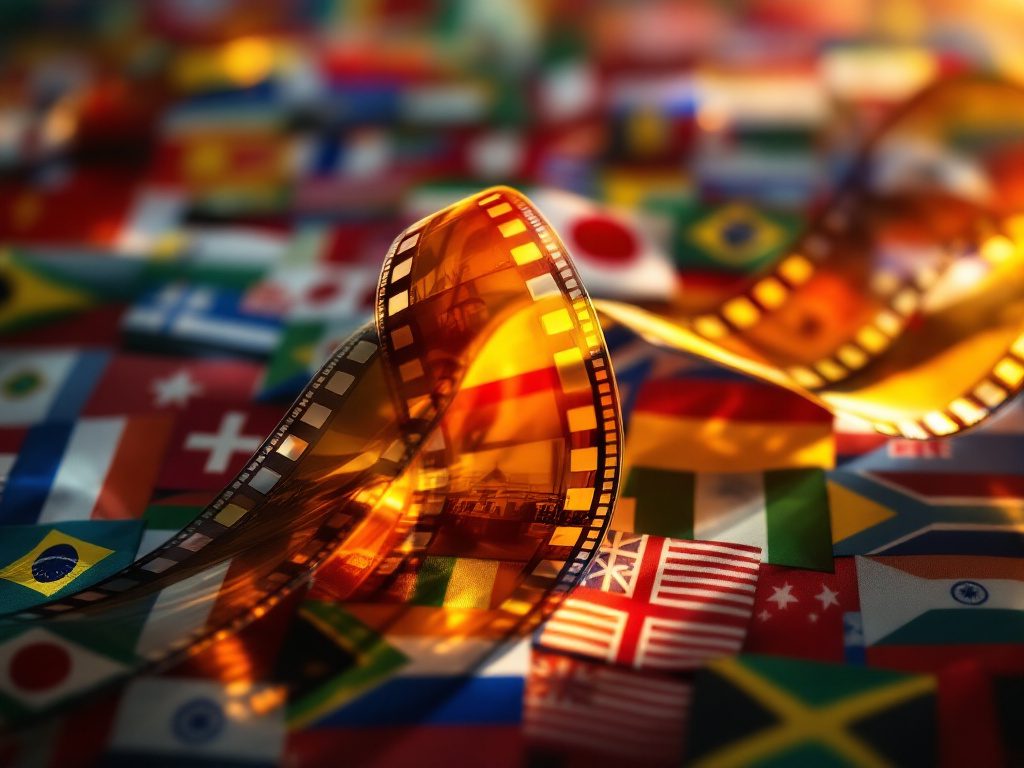
Hollywood at a Crossroads: Tariffs, Nationalism, and Political Theater
When Donald Trump took to his social media platform, Truth Social, and declared, “WE WANT MOVIES MADE IN AMERICA, AGAIN!” it was more than a nostalgic plea. It was the bombshell: the call for a 100% tariff on all movies produced outside the United States. He cast his reasoning in the language of existential crisis, citing both a dying domestic industry and the specter of foreign “messaging and propaganda” as national security threats. In an era when global entertainment knows no borders and platforms like Netflix turn Turkish dramas and Korean thrillers into U.S. sensations, what does a move like this say about American leadership in culture—or in the world?
Trump’s announcement isn’t purely spontaneous. Behind the scenes, insiders like actor and ally Jon Voight are reportedly drafting a master plan for Hollywood’s revival. According to reporting from Deadline and Reuters, Voight’s role signals the growing entanglement of politics, celebrity, and economic policy. The timing, just months before a high-stakes presidential election, is impossible to ignore. There’s a calculated bid in proposing sweeping tariffs: rallying a sense of national pride, blaming outsiders for domestic woes, and, as always, stirring the base into fervor by invoking threats, real or imagined.
Let’s take a hard look at the facts: The U.S. film industry faces challenges. Production costs are high and nations from Canada to Hungary and New Zealand are rolling out aggressive tax credits, luring away both indie upstarts and blockbuster tentpoles. Still, dubbing Hollywood’s woes as a “national security threat” stretches credulity—and smacks of the same closed-door, isolationist impulses that have rattled markets and frayed alliances in other industries during the Trump era. Harvard historian Nancy Koehn points to a long pattern, cautioning, “History teaches that when American culture turns inward and punitive, it risks ceding global influence instead of protecting it.”
The Economic Reality: Tariffs, Retaliation, and Industry Blowback
Peel back Trump’s rhetoric and you’ll find an economic strategy that’s as risky as it is dramatic. Imposing a 100% tariff on foreign-produced films would dramatically drive up ticket prices, throttling the diverse cinematic offerings available in American theaters and on streaming platforms. According to the Motion Picture Association, 2022 saw more than half of all box office revenue in some months coming from international fare—a blend of British period pieces, East Asian action, and indie darling imports that have found a devoted American following. Blanket tariffs threaten to shrink that diversity overnight.
A closer look reveals just how interconnected the business of movies has become. Hollywood isn’t a fortress; it’s a hub in a sprawling international network. American studios depend on foreign markets for much of their profits, with reciprocal deals that allow U.S.-produced films to reach global audiences. Tariffs of this magnitude would almost certainly trigger retaliation from key partners. Just imagine the economic pain if China, France, or even Canada responded in kind—shutting out “Avatar” or the next Pixar masterpiece from their theaters. History offers warnings: When Trump ratcheted up steel and aluminum tariffs, the U.S. agriculture sector was hit by countermeasures—soybean farmers paid the price. Would Hollywood’s writers, directors, and crews be the next collateral damage?
Beyond that, the threat extends not just to major studios, but to independent cinemas and smaller streaming platforms that thrive on diverse content. Amy Kaufman, industry columnist for the Los Angeles Times, argues, “A healthy film ecosystem requires creative cross-pollination. The strength of American cinema has always come from openness, not walls.”
“When politics places reckless tariffs over artistic collaboration, it’s the audiences and creators—not bureaucrats—who ultimately suffer.” — Film scholar Kevin Sandler, Arizona State University
Trump attempts to reframe the issue as a bid to fight “propaganda.” Yet his argument conveniently overlooks the power of American storytelling as a soft power juggernaut. Decades of open cultural exchange have propelled U.S. values, movies, and music straight to the heart of aspirational audiences worldwide. Narrowing our outlook now risks not only jobs, but undermines America’s capacity to shape the global narrative at a volatile time.
Creative Freedom, Heritage, and the High Cost of Isolation
What makes American film truly great? It’s the fluid interplay between homegrown visionaries and global talent. Mexican directors have scooped up Oscars for U.S. productions; British actors become household names through Hollywood franchises; Asian and European location shoots have fueled stories that transcend borders. Yet the Trump proposal would snarl both the creative freedom and economic viability of cross-border partnerships, replacing open doors with walls—and levies.
Older readers may recall the embarrassment of the Smoot-Hawley Tariff Act of 1930, when misguided economic nationalism turned a market crash into a Great Depression. Now, history threatens to repeat itself via cultural protectionism—one that, if enacted, could hobble U.S. soft power, spark costly trade wars, and deny future generations the rich, kaleidoscopic cinema that defines modern life.
Experts are starting to speak out: Princeton sociologist Paul Starr says, “There’s strong evidence that cultural openness fosters societal resilience—and that fear-based policies benefit neither workers nor audiences in the long run.” Instead of promoting exclusion, policies could help bridge the cost gap by investing in domestic infrastructure, training, and incentives—measures that empower America rather than shutting out the world.
Globalization isn’t just an economic force—it’s a source of creative oxygen. Diversity on screen reflects the diversity of the American experience, a principle the progressive movement holds dear. Isolation, by contrast, is a shortcut to stagnation. When government decrees determine what movies a free society can see, who wins?
The Road Ahead: Will Hollywood Become an Island?
The heart of the debate over Trump’s tariffs isn’t just about dollars, but about identity. What kind of country do we want to be? A culture that leads because it inspires and collaborates, or one that retreats behind artificial barriers and fears its competitors? Decisions made in Washington ripple far beyond studio lots—they shape how America is perceived, how it thrives, and whether the creative dream stays alive.
Industry leaders, artists, and viewers face a watershed moment. As trade wars and culture wars merge, we’re reminded that real security comes from shared expression, not exclusion. The world still looks to America for stories—stories that bridge divides, reflect hope, and invite us to imagine something better together. Let’s not let fear and tariffs dim that beacon.
