
The ERA Gamble: Justice and Realpolitik Collide in Europe
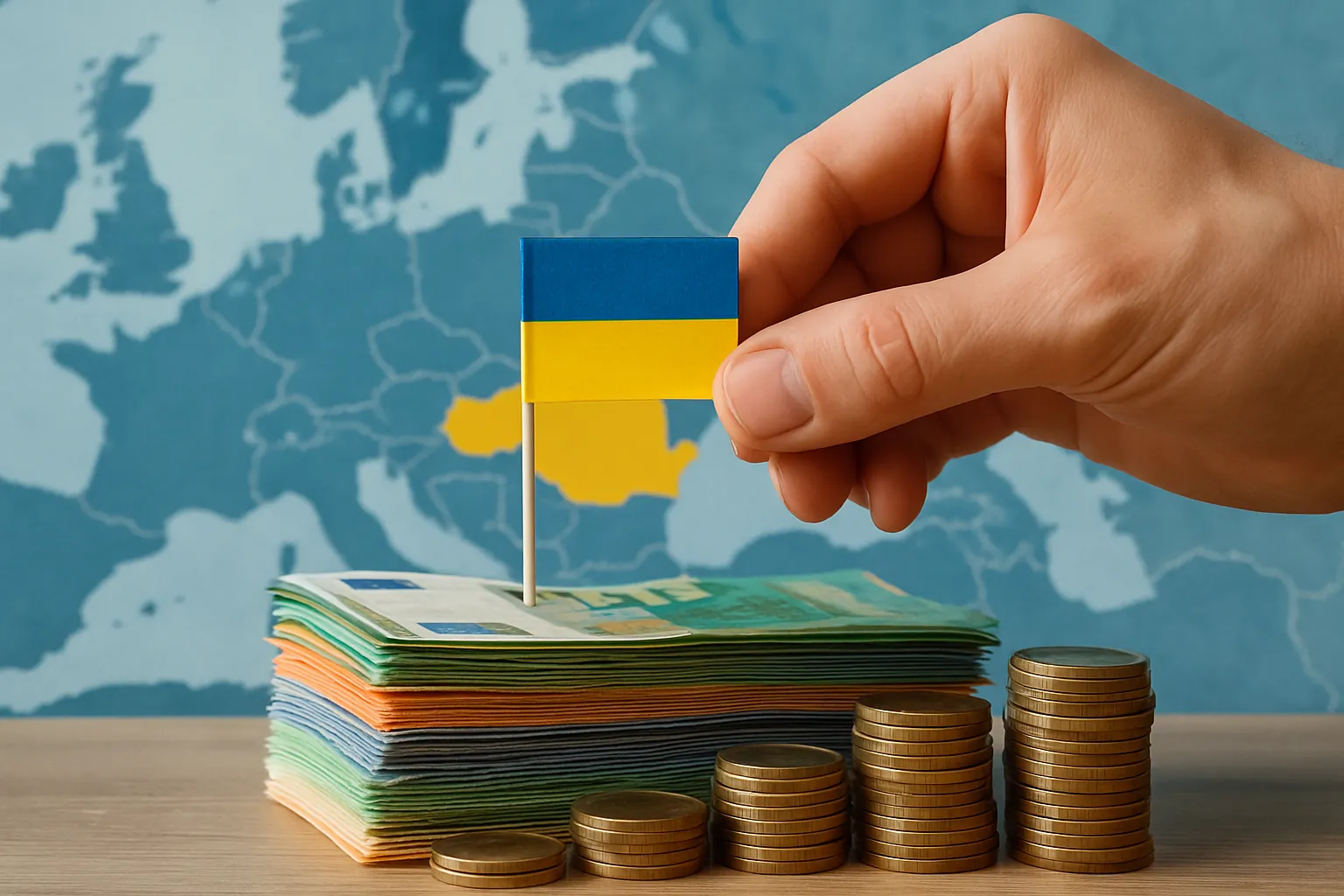
Few stories in international affairs better encapsulate the collision of ruthless power and gritty moral clarity than the European Union’s latest move to transfer €1 billion to Ukraine—leveraging the profits from frozen Russian central bank assets. The payment isn’t just a technical detail in post-2022 geopolitics; it’s a historic marker. The European Commission chose to announce the disbursement of this new funding on the Day of Remembrance and Victory over Nazism in World War II—a symbolic act designed to remind the world that, at its best, Europe is capable of collective action in defense of freedom and justice.
The pressure to do more than issue statements has weighed on the West for months. As Russia’s war of aggression drags into another year, images of devastation in Ukrainian cities are no longer daily headlines, but the grind of war continues relentlessly. According to a recent Pew Research Center survey, a majority of Europeans now support increased measures to hold Moscow to account, including financial and economic penalties.
This round of funding is part of the G7’s broader commitment to mobilize about $50 billion in support for Ukraine, with the loans repaid using the interest generated from some €210 billion in immobilized Russian assets that remain locked in Western financial systems. This alone marks an unprecedented use of enemy-state assets to fund the defense and reconstruction of a nation under attack—a policy with profound legal and ethical implications.
Who Pays for Aggression? The Battle Over Frozen Assets
Ukraine’s Prime Minister Denys Shmyhal framed the transfer as a matter of basic fairness: “The aggressor must pay for the destruction he brought to our land.” And yet, the legal mechanics underpinning this transfer are anything but simple. To avoid violating international financial regulations—or spooking global markets—the EU is only transferring profits derived from the assets, not the principal itself.
Some voices across the political spectrum, especially from conservative circles in both Europe and the U.S., have warned that such asset seizures could backfire, undermining the sanctity of sovereign reserves and potentially destabilizing trust in the global banking system. Harvard economist Kenneth Rogoff, a former IMF chief economist, has argued that “the West must tread carefully lest it create a blueprint that authoritarian regimes could one day turn against them.”
Yet beyond that, the realpolitik of the moment is clear: Ukraine’s state budget is in deep distress, and Western nations can either leverage existing tools or accept the human and geopolitical toll of Russian victory. In April, the UK government also contributed £752 million ($990 million) to Ukraine using similar mechanisms, signaling a growing consensus among G7 nations to make resourceful use of frozen assets. According to the Kyiv School of Economics, each month of delayed support translates to further economic immiseration for millions of Ukrainians and complicates postwar recovery prospects.
“The world can no longer wait for perfect solutions while innocent people pay the price for political paralysis.”
That’s the unspoken consensus now guiding Brussels. If anything, the debate is shifting toward whether the assets themselves—not just their interest—should be fully confiscated and handed over, a step Ukraine’s government and many human rights advocates urge as both a punitive and preventive measure.
Liberal Values Tested: Is the West Meeting the Moment?
European officials insist the current arrangement is provisional, but Ukrainian leaders—and a vocal chorus of Western progressives—argue that the legalistic caution echoes the kind of incrementalism that, historically, has failed to stop violent expansionism. Consider the League of Nations’ flaccid response to fascism in the 1930s, or America’s slow pivot to Lend-Lease aid before Pearl Harbor. History offers little comfort for those who believe deterrence alone will end imperial aggression.
Profound questions of justice, reparations, and international accountability hover over the EU-G7 plan. If the world’s leading democracies won’t stand firmly on the principle that the aggressor pays, who will? The symbolism of providing aid on a day commemorating triumph over Nazism underscores a continuity of purpose: to resist the normalization of atrocity and the enablement of impunity.
Conservative critics frequently argue that direct financial support wastes Western taxpayers’ money or diverts attention from domestic priorities. Yet the numbers tell a different story. According to EU data, macro-financial aid to Ukraine accounts for a fraction of the bloc’s collective GDP—a price far smaller than the potential costs of unchecked Russian revanchism on Europe’s borders. The European Commission’s willingness to extend advance funding further reveals a growing recognition that inaction comes at an exponentially greater price, not just for Ukraine, but for democracies everywhere.
The liberal case for this policy isn’t just moral—it’s pragmatic. History has shown time and again that appeasing autocracies or dithering in the face of naked aggression only emboldens the forces of repression. Standing with Ukraine means standing for a world order anchored in collective security, international law, and, above all, the right of nations to exist in peace and dignity.
