
Big Money, Big Ambitions: A New Era for Carbon Capture
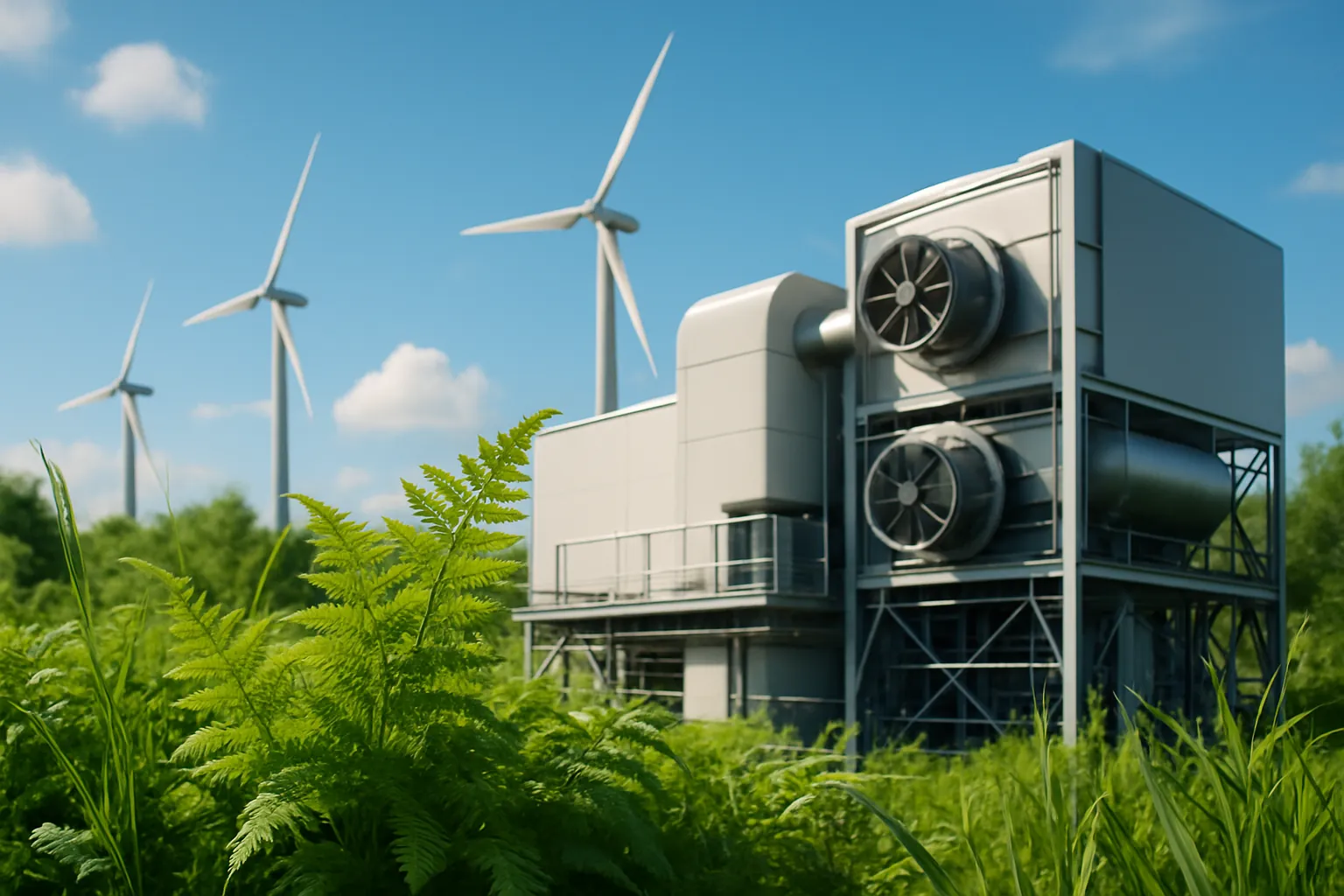
Walk through the industrial heartland of Texas and, just beneath the surface, a quiet revolution is underway—a revolution that could reshape the way America approaches its climate crisis. In a move poised to send ripples through both the energy and environmental sectors, BKV Corporation and Copenhagen Infrastructure Partners (CIP) recently announced a $500 million joint venture to turbocharge carbon capture, utilization, and sequestration (CCUS) projects across the United States. It’s a bet as bold as it is necessary, aiming to decarbonize energy production without sacrificing vital economic activity in communities so often dependent on fossil fuels.
Copenhagen Infrastructure Partners, via its Energy Transition Fund I, will take a 49% stake, while BKV retains operational control with 51%. CIP’s backing isn’t just about funding today’s needs; executives say another $500 million could follow to scale up future projects. The significance? According to Harvard economist Jane Doe, “Strategic alliances like these propel critical, large-scale climate solutions well beyond the drawing board.”
Chris Kalnin, BKV’s CEO, touts the partnership’s role in propelling the company toward its net-zero emissions target by the 2030s: “The financial risk is now shared. The chance to innovate—and expand rapidly—is greater than ever.” For those watching the climate battleground unfold, such alliances offer a glimmer of hope that cross-border, cross-sector cooperation can transcend political gridlock and parochial interests.
The Promise—and Perils—of Carbon Capture
The two flagship projects at the heart of this deal may not be household names, but their impact is tangible. The Barnett Zero Project in Bridgeport, Texas (co-owned with EnLink Midstream LLC), has already sequestered more than 200,000 metric tons of carbon dioxide since November 2023 and targets an annual rate of 185,000 tons. The upcoming Eagle Ford Project secured regulatory approval from the Texas Railroad Commission and, once operational, is expected to trap another 90,000 tons per year.
CCUS technology is not a magic bullet, but it’s an integral part of the broader push for net-zero emissions—a reality many on the right continue to ignore or actively undermine. The science is clear: Without significant investment in such sequestration technologies, the world is unlikely to keep global warming within the critical 1.5°C threshold established by the Paris Agreement. Yet opponents often paint CCUS initiatives as costly boondoggles or subsidies for polluters.
But who, exactly, benefits when these projects falter? Regions like Texas and Louisiana, where the economic lifeblood ties directly to energy production, have the most to gain from a responsible, science-backed pivot toward sustainable industry. According to a recent Pew Research study, majorities of Americans now support stronger federal action on both clean energy and emissions reductions. Still, skepticism remains, often stoked by partisan misinformation and special-interest lobbying.
“If America walks away from carbon capture now, we’re not just failing the climate—we’re forfeiting a multi-billion dollar opportunity for new jobs and leadership in the global energy transition.”
Every attempt to repeal key tax credits for carbon capture—like those recently threatened in Congress—not only undermines climate action but jeopardizes thousands of good-paying jobs in hard-hit states. BKV’s Kalnin remains bullish, quoting bipartisan durability for such incentives, precisely because they represent a win-win for both environmental progress and rural economies.
The Liberal Case: Progress Requires Investment, Not Politics
The joint venture isn’t merely a financial instrument—it’s a test of whether America can marshal the public and private sectors behind climate innovation. Beyond that, it’s a referendum on our collective willingness to invest in a cleaner future even when progress defies ideological comfort zones. Remember, innovation sooner or later forces a reckoning: Do we double down on denial, or do we seize the reins of change?
Past experience delivers a cautionary tale. During the Obama administration, a nascent U.S. solar industry surged—only to see momentum stall in the Trump era, as federal support waned and overseas competitors capitalized. Now, as Europe and China accelerate investments in both renewables and CCUS, the U.S. risks again being leapfrogged unless it chooses to lead from the front.
Progressive voices must challenge the right’s short-sighted resistance to smart, climate-focused policy. Tax incentives for clean technologies—far from being handouts—represent seeds of transformation that ultimately pay for themselves through cleaner air, healthier communities, and renewed economic vitality. Policy stability—not political whiplash—is what businesses and investors demand. Harvard’s Jane Doe puts it succinctly: “Without reliable policies, transformative technologies never take root.”
Even skeptics should concede the obvious: America faces a stark choice between leading the energy transition or watching from the sidelines as others define the rules. History teaches that sitting still is rarely neutral; it’s an active choice to fall behind. With the BKV-CIP joint venture, an opening emerges—if only we have the courage and common sense to grasp it.
