
The Shadow of Fear: Threatening Letters and White Powder in Ohio
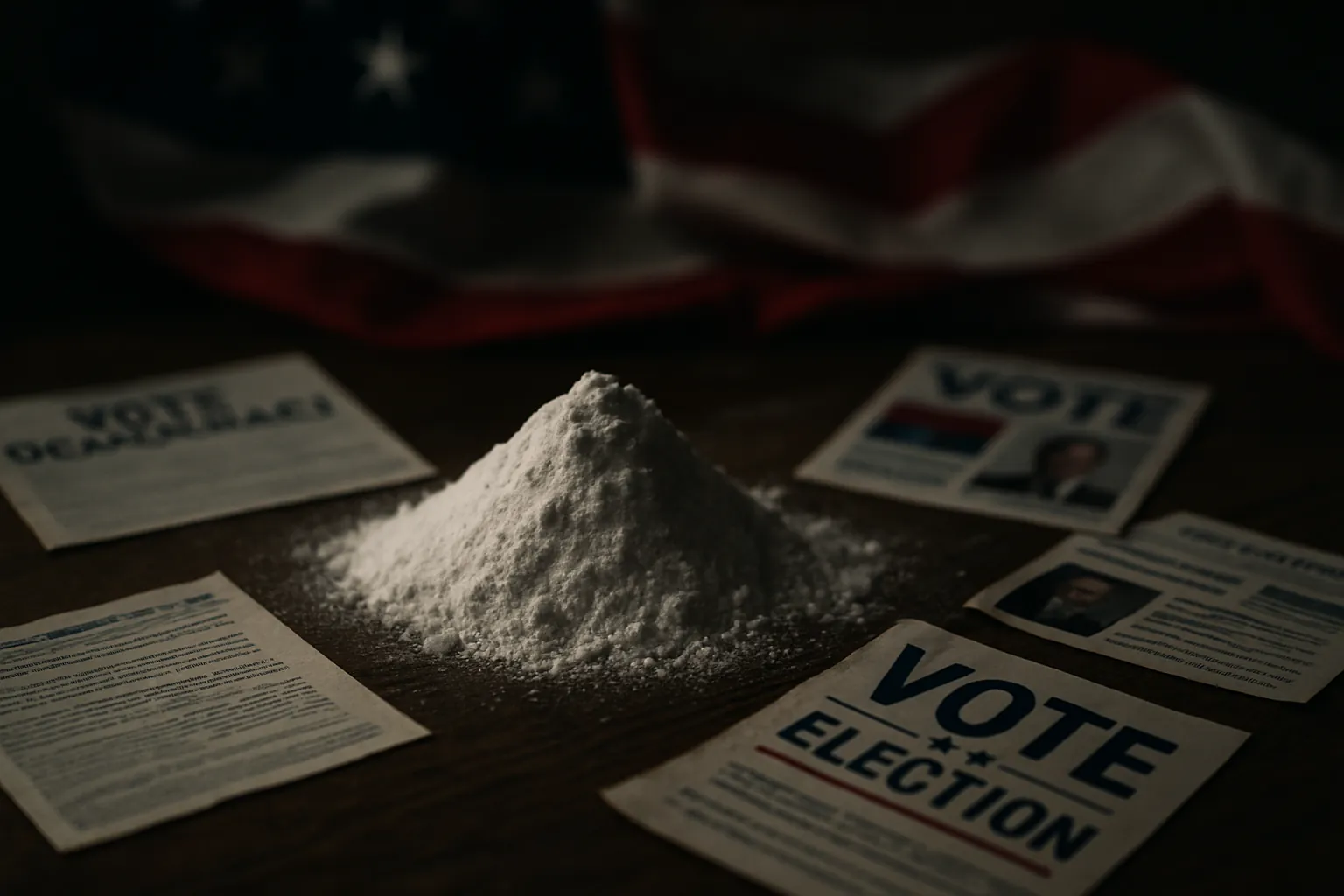
It’s the stuff of nightmares—a man mails dozens of threatening letters laced with white powder to public officials across Ohio, sowing fear through the halls of democracy. Last week, federal authorities charged Ronald Lidderdale, a 39-year-old from New Albany, Ohio, with an escalating campaign of intimidation. His targets included state legislators, law enforcement, politicians at every level, and even a local TV station. Sixty-five threats, forty-nine envelopes of suspicious white powder, and, chillingly, a bullet etched with a victim’s name paint a portrait of a democracy under siege.
The numbers alone are alarming: According to the FBI, at least 29 individuals received envelopes containing the dangerous substance. Lidderdale reportedly admitted his intent was to “incite fear and change behavior”—effectively, a domestic strategy of terror meant to bend elected officials to his will. According to court documents, his messages didn’t shy away from the political. Some letters threatened Republican leaders to “change their ways” while referencing former President Donald Trump and Elon Musk as symbols of loyalty and division. This was not a case of random menace but an act intertwined with America’s toxic political fault lines.
Why does this matter beyond Ohio? The answer lies in the history books. Throughout American history, periods of sharp polarization have given rise to political violence—think the bombings and assassinations of the 1960s and ’70s. According to a 2022 Brennan Center for Justice report, threats against public officials have surged in recent years, coinciding with rising political rhetoric and social-media fueled misinformation. What we’re seeing is not just an isolated threat, but the symptom of a nation teetering on the edge of political extremism.
Doxxing, Deception, and Democracy on Edge
A closer look reveals the disturbing sophistication of these threats. Between July and early August 2024, Lidderdale mailed threatening letters using return addresses belonging to employees—current and former—of the very officials he targeted. This is a textbook case of doxxing and deception, weaponized to erode trust both among officials and between officials and their staff. Law enforcement reports that some letters claimed the white powder was “ricin,” a deadly toxin, although no reports confirm the actual presence of hazardous material.
Messages in these envelopes didn’t just threaten violence—they explicitly promised it. In one instance, a letter warned, “I will kill you,” while another included the chilling addition of a 9mm bullet. The suspect’s hitlist reportedly outlined by name eight individuals he planned to execute. For those who dismiss these as the acts of a lone disturbed individual, consider this: according to a recent Pew Research study, nearly half of local officials report feeling unsafe at work, and many have faced threats or harassment since 2020.
“This kind of intimidation isn’t just a threat to individuals—it’s an existential threat to the functioning of our democratic institutions.”
– Professor Cynthia Miller-Idriss, extremism researcher, American University
What’s at stake is more than just personal safety. When officials, or even their staff, don’t know if the next letter in the mail will contain a deadly substance, democracy becomes harder to defend. The chilling effect on public service is real. As Harvard sociologist Danielle Allen has observed, the exodus of experienced public servants in recent years can be directly linked to both the torrent of threats and the feeling that America’s institutions no longer guarantee their safety.
The Broader Crisis: Political Violence, Reactionary Rhetoric, and Rebuilding Trust
Why does this environment feel so volatile? One answer lies in the deeply polarized rhetoric surfacing across conservative media and political spheres. Politicians who downplay the risk or subtly encourage vilification of their opponents amplify a culture in which threats and violence are considered viable options for political expression. The Ohio case is a bitter reflection of broader national trends where dog-whistle politics and open calls for “retribution” create real-world dangers.
Federal prosecutors, in charging Lidderdale with mailing threatening communications, hoaxes, and cyberstalking, have acted decisively. Yet law enforcement and lawmakers agree criminal prosecution is only one piece of the puzzle. Community-building, depolarization efforts, and a serious reckoning with the weaponization of political discourse are just as vital. As history reminds us—McCarthyism, the Red Scare, Watergate—when anger is left unchecked, democratic freedoms are quickly trampled in the guise of populist rage.
There’s a danger when we normalize the abnormal—that sending hate mail, or white powder, or bullets is the cost of public service. Progressive values must demand more. Our collective well-being, the promise of equal protection under the law, and the dignity of those who serve hinge on resisting these corrosive trends. An America where officials serve afraid, where they carry gas masks to the office or instruct their children to avoid the mail? That’s not an America most of us would recognize—or want to inherit.
As voters and citizens, you have a stake in this. When public officials are attacked or silenced, the ripple effect touches every policy debate, school board meeting, and ballot box. The defense of democracy requires vigilance, empathy, and a refusal to let fear win. As Professor Miller-Idriss warns, “Unless we meet these challenges head-on—without partisan blinders or moral equivocations—the cost may be nothing less than the future of American democracy itself.”
