
A Nation in Protest: Voices Against Authoritarian Tactics
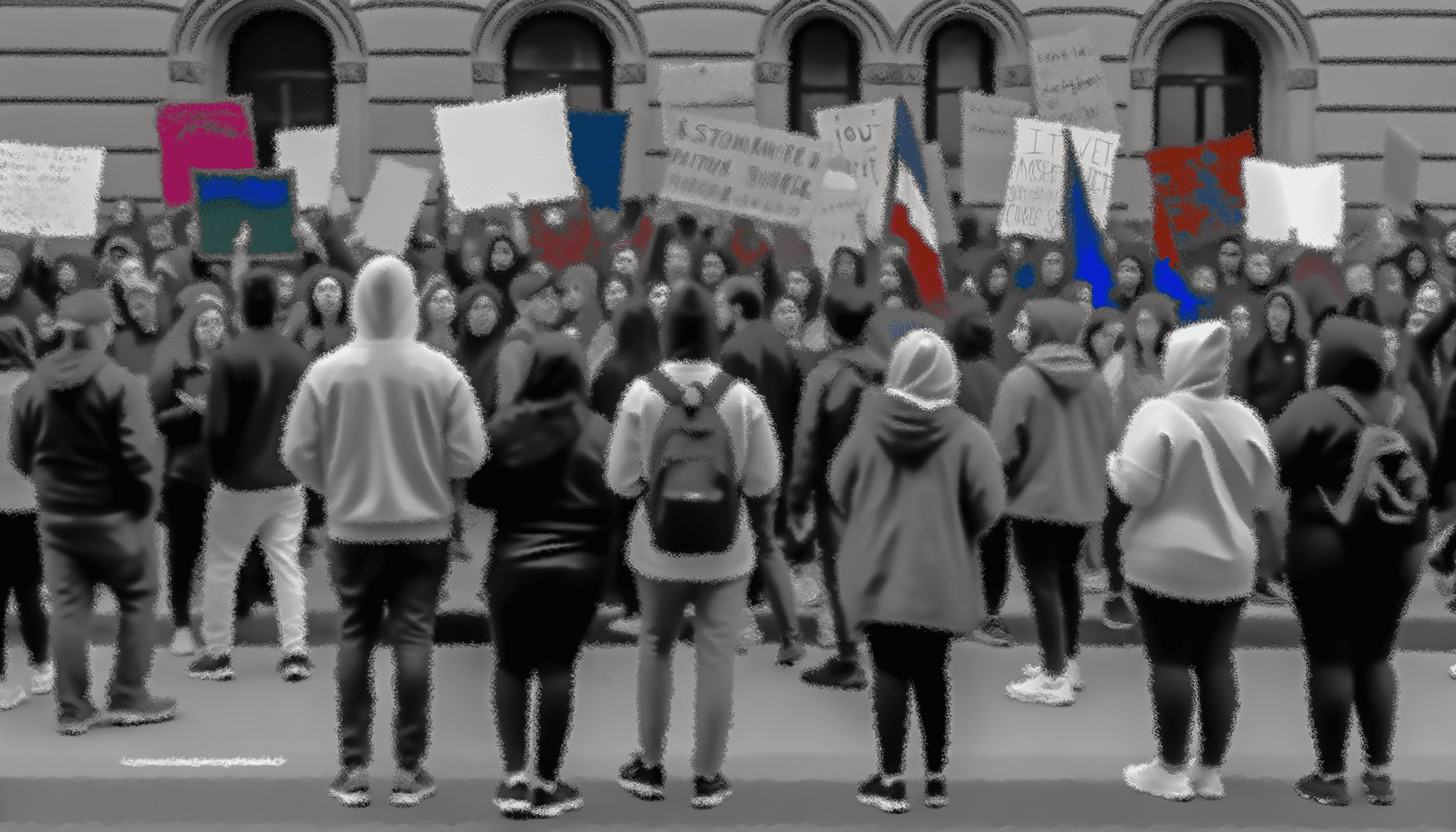
We are witnessing a crucial moment in American history, as widespread resistance rises against perceived authoritarian actions within the early days of Donald Trump’s administration. From coast to coast, citizens are stepping forward, voicing their opposition not only through powerful grassroots protests but also by meaningful acts of civil disobedience and collective non-compliance.
Recent reports of mass refusals from over a million federal workers to comply with demands resembling the authoritarian mandates of Elon Musk showcase a powerful example of peaceful but firm defiance. This significant instance of mass collective action isn’t simply a protest—it’s a loud proclamation that democracy is not for sale or subject to the whims of the powerful elite. At Tesla showrooms nationwide, protesters are occupying spaces traditionally associated with consumer enthusiasm, transforming them into meeting grounds filled with democratic debate and solidarity. Such acts of resistance signal that this national unrest is evolving into a cohesive and united movement, ready to wield more disruptive actions as necessary for impactful change.
Learning from History: Strategies of Solidarity and Civil Disobedience
Historians and political activists alike are drawing powerful comparisons between these current demonstrations and previous successful pro-democracy movements that challenged authoritarian regimes around the globe. From the anti-Apartheid movement in South Africa to the peaceful protests against dictatorships in Europe and Latin America, history presents us with clear lessons on the efficacy of strategic, organized resistance.
These historical movements share common elements—a committed populace, strategic civil resistance, and a clear moral message—that were integral to their successes. Today’s leaders in activist communities are intentionally incorporating these lessons, and the results thus far inspire optimism. This isn’t a reactionary spasm of discontent; rather, it’s a thoughtfully planned and morally driven movement aiming at deep structural change.
The Ethical Imperative: Why We Must Not Stand Idle
At the core of the resistance lies a deep collective understanding of the ethical stakes involved. Trump’s early moves, from discriminatory policies to undermining democratic norms, have galvanized communities typically on the margins, highlighting their experience as cautionary indicators of broader societal risk. For example, marginalized and underrepresented groups rarely have the privilege of a wait-and-see approach and are often impacted directly and swiftly by exclusionary practices.
The ethical call is clear: choosing silence and passivity is a choice against democracy itself. The burgeoning protests suggest a powerful consensus among progressive, socially-conscious communities determined not only to resist regressive policies but to actively work toward building a society grounded in equity, diversity, and social justice.
Hopeful Progress and the Road Ahead
It’s important to recognize and emphasize the hopeful momentum already gained by this movement. Political scientists and sociologists are cautiously optimistic, highlighting the transformational potential of modern activism informed by history, emboldened by moral clarity, and supported by extensive social media networks enabling rapid organization.
The ultimate influence of this emerging protest movement on the policies of Trump—and similarly resurgent figures like Musk—remains to be seen. However, the collective power demonstrated over these initial weeks provides substantial encouragement for continued engagement and proactive democratic action. The path may be challenging, but communities across the United States are showing remarkable resilience and commitment.
In navigating these tumultuous times, progressive activism has found a renewed sense of purpose. There exists a unique opportunity to not only counteract immediate threats but to also expand our democratic visions and tonic our societies to deeper ideals of equality and collective responsibility. As with historical struggles, successful movements are defined by their persistence, adaptability, and, most significantly, their moral anchoring. Americans are stepping up eloquently, determined to reclaim the narrative from the shadow of authoritarianism.
Now, more than ever, active involvement, vocal advocacy, and strategic resistance remain vital ingredients for safeguarding democracy and steering our collective future in an inclusive and equitable direction. Let these initial protests be not only a warning to those in power but also a catalyst for sustained progressive engagement that defines our times and reshapes our country’s trajectory toward justice and democracy.
