
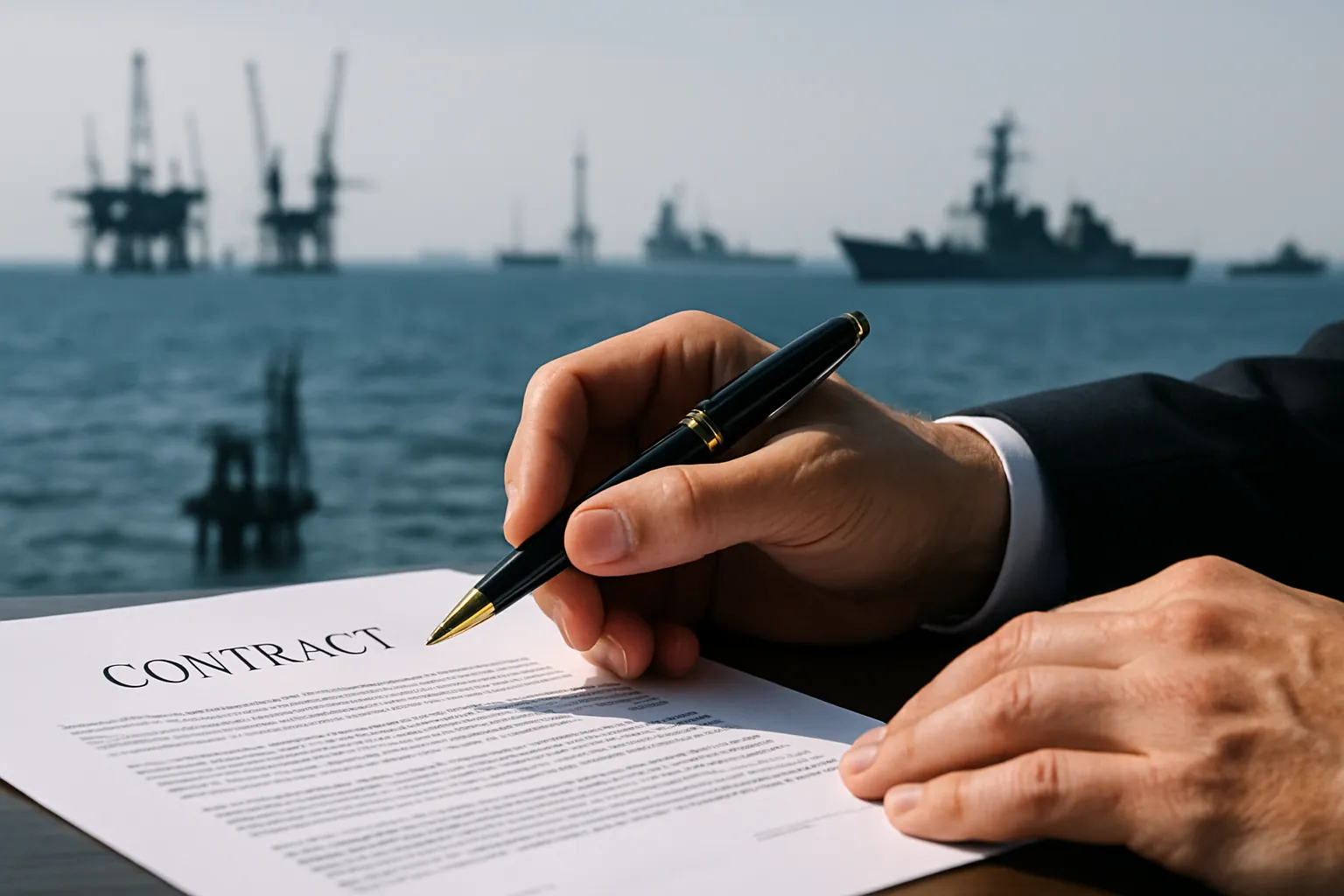
Weapons, Alliances, and a Perilous Precedent
A quiet Friday news release from the State Department often signals a story powerful enough to reverberate across continents, but perhaps controversial enough to bury in a weekend’s hum. So it was when the United States approved a $1.4 billion military aircraft sale to the United Arab Emirates—just days ahead of President Donald Trump’s high-profile Middle East trip. This isn’t a routine transaction. It’s an inflection point, a revealing snapshot of America’s evolving priorities in a region marked by volatility and competing interests.
The heart of the deal: six Boeing CH-47F Block II Chinook helicopters, plus a hefty support package for the UAE’s F-16 fighter fleet. This is no token show of goodwill. These helicopters represent the newest variant, each loaded with Honeywell’s T-55-GA-714A engines, improved avionics, air-to-air refueling equipment, and the capacity to carry 24,494 kilograms—enough to transport artillery, armored vehicles, or nearly 40 fully armed troops on a single mission. The package further includes high-grade navigation and imaging systems, secure radios, missile warning receivers, and twenty M240 machine guns—hardware as sophisticated as it is deadly.
Why, in this fraught moment, such a robust investment in Emirati military strength? The sparring matches in the Gulf—tensions with Iran, the chaos unfolding in Gaza, wider anxieties around rising authoritarianism—create a backdrop where U.S. policymakers increasingly see affluent, autocratic partners as essential outposts of American influence. As Harvard international relations scholar Dr. Emily Sorrell notes, “Arms deals of this scale aren’t just about defense. They’re investments in diplomatic leverage, business relationships, and a regional order that too often overlooks democratic scrutiny and human rights.”
The Hidden Costs: Undemocratic Partners and Ethical Blind Spots
A closer look reveals serious contradictions embedded in these arms deals. The rationale provided by State Department officials is familiar: the UAE needs to enhance its sovereignty and deter regional threats. They argue this transaction will support humanitarian and disaster relief missions alongside legitimate defense requirements. These purposes are noble—on paper. In reality, military hardware and expertise transferred from Washington often serve broader purposes, many of which are troubling. The UAE, armed and well-trained with U.S. support, has intervened militarily in Yemen, deepening what the United Nations calls “the world’s worst humanitarian crisis.” Even as the Emirates declare readiness to respond to humanitarian needs, their involvement in blockades and airstrikes has added tragic civilian tolls to ongoing conflicts.
Arms sales proponents insist on rigorous end-use monitoring, but the historical record offers little comfort. A 2020 Government Accountability Office report identified ongoing failures in tracking U.S.-supplied equipment in the Gulf, raising pointed questions about oversight. Beyond that, the deal’s timing—coinciding with Trump’s discussions on Iran, Gaza, and lucrative business opportunities—underscores an uncomfortable truth: U.S. foreign policy often places stability and business above democracy and human rights.
What’s the price of this preference? Amnesty International and Human Rights Watch have consistently warned that arms transfers to Middle Eastern autocracies risk enabling repressive practices, undermine advocates for reform, and entrench a sense of impunity. The UAE’s record on free expression, labor rights, and internal dissent remains deeply problematic.
“Stability secured by unchecked militarization is a house built on sand. Short-term alliances with autocrats may buy influence, but they rarely deliver enduring peace or prosperity for ordinary people.”
Strategic Gains, Moral Losses, and the Costs at Home
This latest sale does more than prop up one regime’s security apparatus. It’s part of a longer arc—over the last decade, the UAE has purchased billions in U.S. helicopters, drones, fighters, and surveillance equipment, steadily building a top-tier military with American help. Congressional oversight, limited as it is by convoluted notification procedures and the shadow of presidential veto, serves as a weak check on an executive branch eager for foreign arms clients. For the American public, the transaction often gets lost in technical language and dollar figures, obscuring a larger shift: America’s security commitments abroad increasingly shape—and sometimes warp—our values at home.
You might ask: What do U.S.-UAE helicopter sales have to do with the democracy you experience every day? Military surplus, contracts for giants like Boeing and Honeywell, and political donations often cycle back into the American economy, but at what social cost? According to a 2023 Pew Research Center study, fewer than 30% of Americans support prioritizing arms deals with non-democratic allies, citing concerns about entanglement in distant conflicts and neglect of human rights priorities.
The escalating arms trade with the Emirates also comes at a time when global calls for restraint and accountability in U.S. foreign affairs are louder than ever. Norm Eisen, former U.S. ambassador and White House ethics czar, argues that “wrapping ourselves in alliances with authoritarian regimes undermines our credibility. You cannot preach rights and democracy while fueling the machinery of repression.” And history echoes: the U.S. has trodden this path before—with Iran in the Shah’s era, with Saudi Arabia, with Egypt—too often finding that weapons sold for stability become instruments of authoritarian survival.
As the Biden administration inherits these deepening ties, the challenge becomes stark: Can U.S. policy pivot away from transactional militarism toward alliances grounded in real reform and mutual accountability? Progressives demand transparency, strict end-use controls, and a foreign policy where democratic values aren’t perpetually sidelined in the name of expediency.
Building a Better Path: Accountability and True Partnership
Avoiding the tired binary of isolationism or blind militarism, there’s a middle course. Advocates propose scaling back arms transfers to autocracies, tying future sales to measurable improvements in transparency and rights, and providing Congress more meaningful veto power. Military partnerships, to have legitimacy, must serve not only the security needs of the moment but also the aspirations of people striving for dignity and freedom.
What’s at stake isn’t just the stability of a distant region. Each sale like the recent $1.4 billion Chinook and F-16 package sends a signal: about who America stands with, what compromises it’s willing to make, and which values are negotiable at the bargaining table. In the shifting sands of the Middle East, clarity and consistency are rare assets, but they matter more than ever—both for those on the receiving end of American weapons, and for the citizens who finance them.
