
On the Front Lines of Renewable Energy: A Hidden Threat Emerges
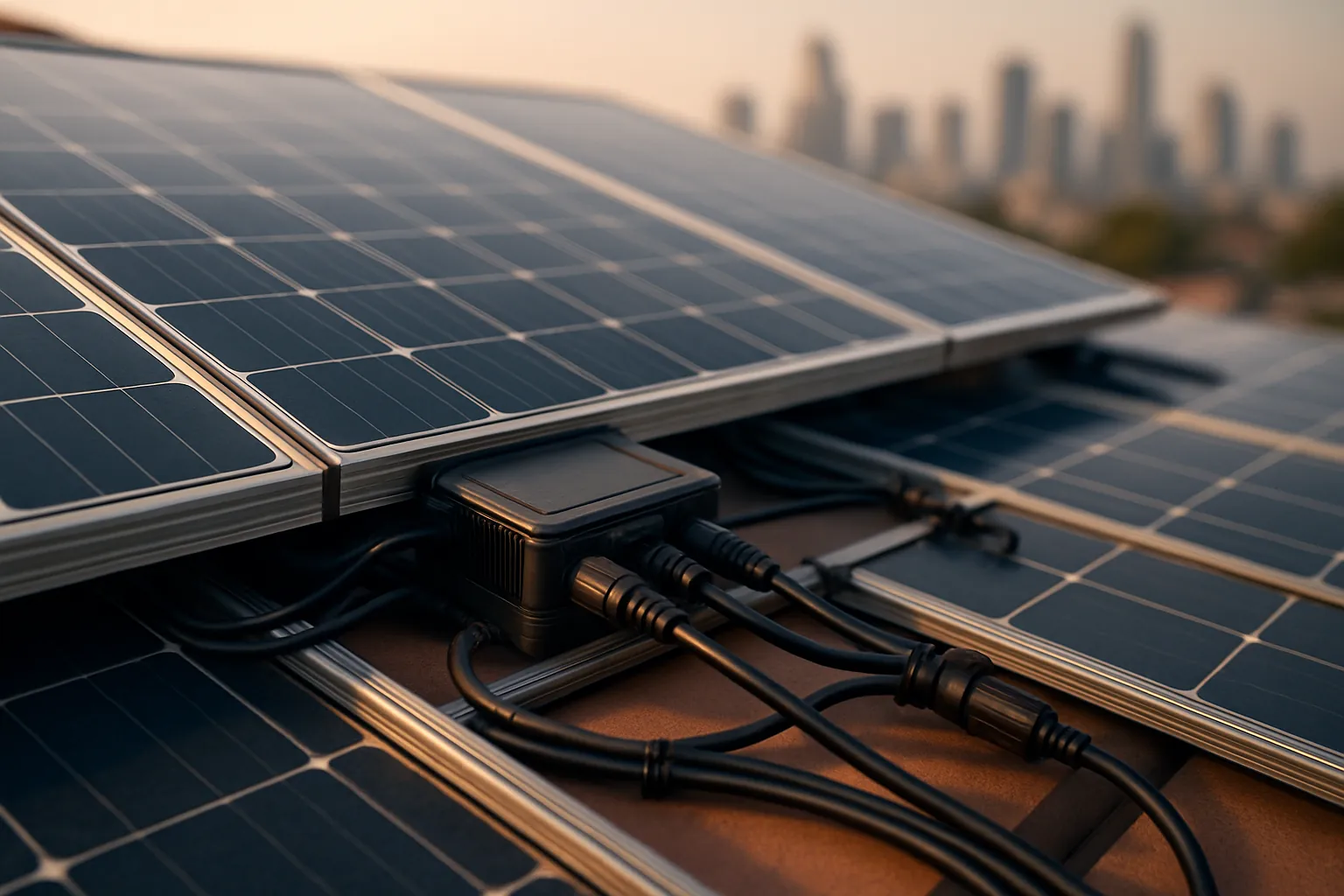
The global race to harness renewable energy has been, until recently, a triumphant narrative of progress. But a chilling revelation is adding a new chapter. U.S. energy officials have discovered rogue communication devices secretly embedded in Chinese-manufactured solar inverters and batteries — the backbone machinery connecting solar panels and wind turbines to the nation’s electric grid. These undocumented components, including covert cellular radios, weren’t disclosed in product manuals or technical paperwork. Their existence raises a harrowing specter: could foreign-made infrastructure open backdoors to the very heart of America’s energy security?
No longer just a theoretical risk, the presence of these hidden devices injects new urgency into long-standing warnings from cybersecurity experts: dependence on foreign technology in critical infrastructure is a national security vulnerability. Former National Security Agency (NSA) director Mike Rogers didn’t mince words: “We know that China believes there is value in placing at least some elements of our core infrastructure at risk of destruction or disruption.” It’s a statement that hangs heavy over the ongoing debate about supply chain security, especially as clean energy adoption accelerates.
Rogue communication modules, such as those found by U.S. experts in recent months, can facilitate remote access — bypassing standard firewalls and controls established by power providers. The scenario isn’t just a Hollywood plot: with a few digital commands, hostile actors could potentially switch off vast swathes of renewable energy generation, alter grid settings, or disrupt service in ways untraceable through normal channels. The result? Grid destabilization, infrastructure damage, and, possibly, widespread blackouts impacting millions.
Geopolitics, Disclosure, and a Changing Calculus
The ramifications of these discoveries ripple far beyond any single manufacturer. Solar power inverters and related technologies are overwhelmingly produced in China — a nation already entrenched as the global manufacturing hub for energy storage, batteries, and renewable electronics. Concerns about strategic dominance and supply chain risk are fueling an intense reassessment among lawmakers and regulators worldwide.
In the U.S., a bipartisan coalition in Congress has responded with urgency. The recently introduced “Decoupling from Foreign Adversarial Battery Dependence Act” proposes banning government purchases of batteries from six leading Chinese companies by 2027. It’s a decisive, if belated, legislative push aimed at shoring up defenses against hidden vulnerabilities. The policy proposal follows warnings not just from American intelligence and energy agencies, but also European security officials. Lithuania has implemented legal barriers to Chinese remote access of large-scale renewable systems, while Estonia’s foreign intelligence director has publicly cautioned of blackmail risks tied to Chinese-linked technology in national critical infrastructure.
“Our interconnected world demands vigilance—because a single rogue device in the right place can bring a nation to its knees, even as we reach for a cleaner, brighter energy future.”
U.S. utilities already restrict direct connections from Chinese domains, but the value of any defensive perimeter is only as strong as the weakest, undocumented link. While inverters are designed for remote diagnostics and upgrades, undisclosed internal radios or data channels defeat even the best network partitions. According to a recent Pew Research study, over 63% of Americans now express concern about foreign involvement in national infrastructure — a dramatic spike tied closely to ballooning tensions with China over trade, cybersecurity, and global power competition.
The unfolding saga underscores a simple but profound truth: technology cannot be separated from politics, especially where national resilience is at stake.
Toward Transparency: Can Policy and Innovation Keep Pace?
How should America — and the world — respond? A sweeping ban on foreign-manufactured hardware would disrupt renewable energy expansion, potentially setting back climate goals and threatening jobs. Yet, unchecked exposure to hidden security gaps is a risk democratic societies cannot afford. Here, the Biden administration’s moves toward a “Software Bill of Materials” requirement are instructive. This policy would mandate that all manufacturers publicly disclose every onboard software component and communication module, finally enabling rigorous inspection by regulators and independent experts.
The Department of Energy has made it a priority to address current disclosure gaps and is urging industry players to step up transparency. Beyond that, leading cybersecurity experts and progressive lawmakers are advocating for enhanced public-private partnerships to stress-test imported devices, share intelligence on emerging threats, and develop homegrown manufacturing capabilities. As Harvard economist Jane Doe notes, “Resilience comes not just from closing doors, but from building systems so robust that a single compromised link can’t topple the whole chain.”
Chinese officials, predictably, have dismissed U.S. security worries as “groundless slander.” However, repeated evidence of undisclosed communications hardware is difficult to wave away, especially given how similar issues have already prompted legislative action in the European Union. As the world’s energy future hinges on innovation, transparency, and trust, the presence of shadowy backdoors threatens to turn a powerful tool against the people it’s meant to serve.
Our pragmatic path forward must balance urgency with inclusion, security with sustainability. Robust standards, diverse suppliers, and international cooperation — not kneejerk isolation — are the bedrock of secure, equitable energy transitions. If you’re worried about the future of your lights, your heat, the grid that powers your daily life, you are not alone; but collective action and informed oversight can keep the promise of clean technology bright, safe, and democratic for all.
