
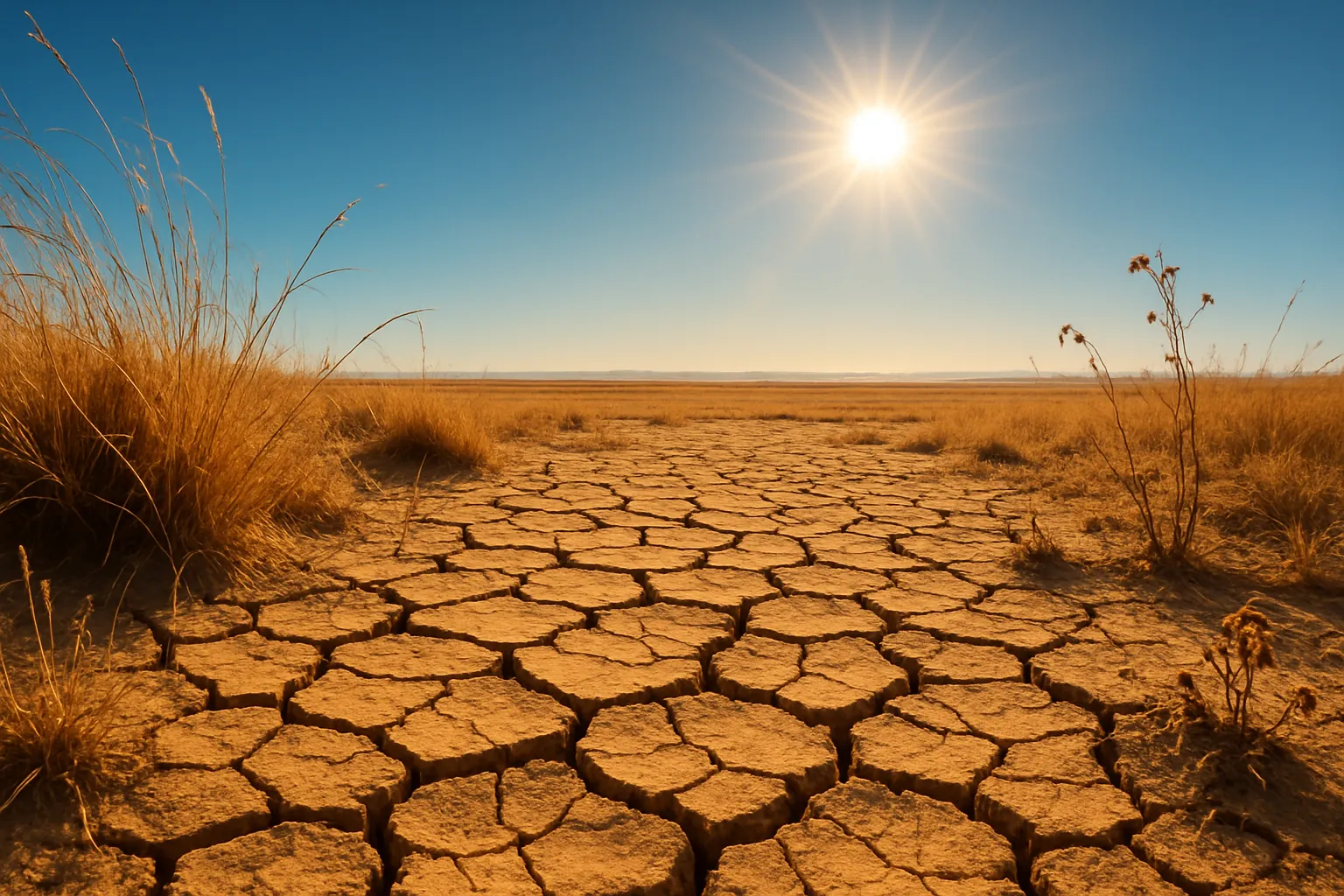
The Unseen Toll of an Expanding Heat Crisis
Stepping outside in Karachi, where dozens lined up at urgent care centers last July, the air itself seemed predatory—biting, relentless, and unfamiliar even to those used to scorching summers. According to a landmark collaboration by World Weather Attribution, Climate Central, and the Red Cross Red Crescent Climate Centre, nearly half of humanity has endured a staggering extra month of extreme heat in the past year alone. For four billion people, this wasn’t just an inconvenience; it was a literal trial by fire from May 2024 to May 2025.
Such heat isn’t just uncomfortable. The report—timed with the international Heat Action Day—shows that heat becomes deadly long before it becomes headline news. Many deaths caused by heat are masked, written off as heart attacks or kidney failures, a grim forensic footnote. Researchers warn that death certificates hide the true scale: the mounting count of lives lost to heat is, as a result, habitually undercounted. If we only look at immediate headlines or weekly weather forecasts, it’s easy to miss heat’s quiet devastation.
Beyond clinical wards and newspaper obituaries, climate change’s fingerprints are everywhere. The relentless doubling of extreme heat days in 195 countries, record-breaking temperatures in the Mediterranean, and a shocking 161 days of brutal heat in Puerto Rico—up from just 48 expected without climate change—underscore a harsh new norm. When power outages left millions sweating through nights in San Juan, vulnerable populations like the elderly and chronically ill suffered disproportionately. In these moments, policy failures and shaky infrastructure morph into existential threats.
What 30 Days of Additional Extreme Heat Costs
Try to envision what an extra month of life-threatening heat actually costs. It’s more than spiked electricity bills; energy grids are pushed to the brink, hospitals fill beyond their limits, children miss weeks of school, and crops—staples in already-fragile economies—shrivel in baked soil. Unrelenting heat tests not just the human body, but the very systems meant to sustain society. According to World Weather Attribution, among the 67 major heat waves observed since May 2024, every single one was made worse—more likely, longer, deadlier—by human-caused warming.
Is this just statistical nuance? Not even close. A closer look reveals the Climate Shift Index methodology, developed by Climate Central, compared actual weather data with sophisticated simulations of a world untouched by industrial emissions. The findings allow one simple conclusion: fossil fuel reliance has hardwired heat risk into daily life, leaving us to pay—often in lives and livelihoods—the compounded price.
“Heat is the deadliest climate-related hazard we face, yet its silent, cumulative toll is still ignored by far too many policymakers.”
When conservative policymakers tout economic growth as a reason to delay climate action, they ignore basic public health. According to Dr. Kristie Ebi, professor of global health at the University of Washington, for every prolonged heatwave, there’s a discernible spike in mortality and hospital admissions— especially in communities that can least afford it. Avoidable tragedy becomes policy by inaction.
Paths Forward: Adaptation, Equity, and the Urgency of Now
Defenders of climate complacency—largely entrenched in fossil fuel interests—insist that adaptation, not mitigation, is our best hope. Yet, relying solely on adaptation, without systemic change, is a false promise. Renewable energy upgrades, robust early warning systems, and comprehensive urban planning are not optional luxuries; they’re necessary to confront an era where last year’s worst-case heat scenario is becoming this summer’s baseline.
The hardest-hit remain the already vulnerable: in Puerto Rico, longer, hotter summers now coincide with blackouts, threatening those most in need of reliable power for health, comfort, and even survival. Other historically marginalized communities—whether Caribbean islands, rural South Asian towns, or urban heat islands in American cities—pay the price of political inertia. According to a 2024 Pew Research survey, over 65% of Americans now see climate change as a major threat, and yet federal investment in adaptation lags behind. This is not just bureaucracy; it’s a matter of misplaced priorities and distorted values.
Beyond that, even the best heat action plans will hit a ceiling if fossil fuel use remains unchecked. The continued escalation is not inevitable, but it is chosen—a product of conscious, calculated policy preferences. Climate scientist Nick Leach of Oxford underscores that “each year we wait to aggressively cut emissions, we lock in more days of deadly heat for future generations.” Will we wait until all protective measures buckle under the pressure before finally responding?
History’s lesson is simple: when crises compound silently—when deaths are hidden in statistics, not counted in headlines—society risks losing both empathy and momentum. Yet, progressives must champion bold, collective, and equitable solutions. The stakes are existential, but the tools are already in our hands.
