
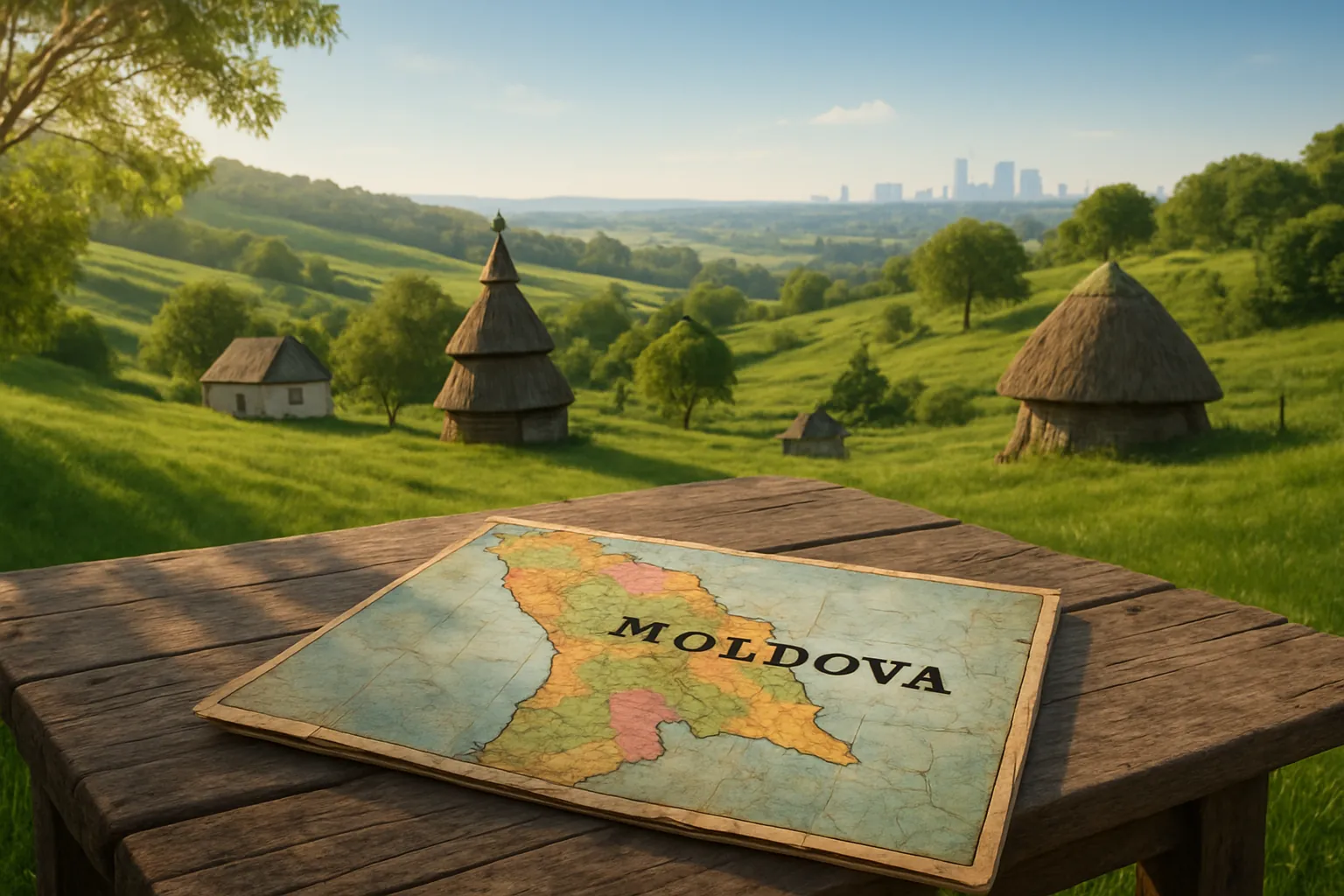
The Shadow of Kremlin Ambitions Looms Over Moldova
Imagine waking up in a country bracing itself against not only the threat of hybrid warfare, but the specter of outright occupation. That’s the unsettling reality for Moldova today, as Prime Minister Dorin Recean sounded an alarm that should echo far beyond this small Eastern European nation. With chilling clarity, Recean disclosed that Russia intends to deploy up to 10,000 soldiers to the breakaway region of Transnistria, a sliver of land wedged between Ukraine and Moldova, already under the grip of Russian-backed separatists for over three decades.
This is not just an abstract geopolitical chess move—it’s an existential assault on Moldovan sovereignty, democracy, and the integrity of Europe’s increasingly fragile order at its borders.
Intelligence cited by Recean and analyzed by the Financial Times paints a disturbing plan: Moscow’s military buildup is inextricably tied to its political interference campaign. The real goal is clear—install a pro-Kremlin government in Chisinau, Moldova’s capital, that would usher in a military build-up in a region already teetering on the knife’s edge. “Russia spent the equivalent of one percent of Moldova’s entire GDP in 2024 alone on influence campaigns,” warns Recean, an eye-popping figure in a nation battling poverty and striving for stability. According to multiple security briefings, these efforts include relentless online propaganda, voter manipulation, and illegal cash infusions to opposition parties. All told, it’s a textbook case of modern authoritarian subversion—using both dollars and disinformation to choke the fragile roots of democracy.
Elections Under Siege: Hybrid Warfare’s Political Front
A closer look reveals Russia’s efforts extend far beyond boots on the ground. Moldova’s 2024 presidential election and critical EU membership referendum became the latest frontlines for the ubiquitous Kremlin playbook—saturate the information ecosystem with fake news, exploit societal fissures along ethnic and linguistic lines, and funnel money to political actors committed to Moscow’s interests. According to independent election watchdog Promo-LEX, networks of paid trolls and dubious influencers have attacked pro-European figures and amplified pro-Russian narratives at rates unseen in the post-Soviet era.
Why now? The answer lies partly in Moldova’s tenacious pursuit of European Union membership, viewed by Moscow as a direct challenge to its regional hegemony. Historical memory lingers in Moldovan politics; the shadow of “frozen conflicts” and Russian meddling has shaped policy—and personal fears—while the West has often wavered on how to respond. Harvard historian Serhii Plokhy draws a chilling parallel: “Transnistria today echoes the methods Russia uses throughout the former Soviet space—a piecemeal approach combining military entrenchment with the methodical corrosion of trust in democracy itself.”
“This is not an isolated Moldovan struggle—it’s a test case for whether small democracies can endure in the Kremlin’s shadow.”
On the ground, current Russian troop levels are smaller—about 1,500 mainly local recruits, according to President Volodymyr Zelenskyy, who noted that several thousand Russian soldiers exited via Chisinau earlier this year. Yet it’s not the numbers alone that matter—it’s the implied threat, the lever ready to be pulled should Moscow engineer friendlier leadership after the next elections. Experience from Ukraine’s 2014 Maidan protests or Georgia’s 2008 war ought to have put the West on notice: ignoring hybrid threats only emboldens them.
Small Nation, Global Lessons: The Stakes for Democracy and Security
What’s at risk if Moldova’s resolve buckles or if Russia’s bet on disinformation pays off? Immediately, an emboldened Russia could pressure southwestern Ukraine and even Romania—a NATO member—by projecting power from an expanded foothold in Transnistria. This raises real alarms for the Western alliance, as the region would serve as another launch point for destabilization, not only threatening Moldovan independence but casting a longer shadow over European security architecture.
Moldova’s government stands firm, demanding the unconditional withdrawal of Russian troops from its territory—a position fully backed by international law but, thus far, observed more in the breach than reality. As Prime Minister Recean reiterates his country’s unwavering EU ambitions, Moldova’s democratic future hangs in the balance. What lessons can the West draw? For one, complacency is the enemy of resilience. Allowing small nations to become test beds for authoritarian power projection sets dangerous precedents—remembering that Ukraine’s suffering began with similar hybrid attacks and creeping military encroachments.
Beyond that, progressive internationalists ought to champion not just solidarity but concrete support: counter-disinformation initiatives, election security funding, and robust economic engagement to shore up Moldova’s democratic institutions. As the European Parliament’s 2023 report noted, “Hybrid threats demand hybrid responses”—melding technical assistance with diplomatic clarity that Moldova is not alone in this fight.
What’s the promise worth defending? It’s the image of a Moldova where free elections, rule of law, and national self-determination aren’t mere abstractions, but lived realities—where neighbors can sleep without the tremor of distant gunfire or the dread of election-night subterfuge. The fight for Moldova’s future is not merely about one country’s borders; it’s a struggle for the soul of democracy at Europe’s edge.
