
Reckoning With Radicalization Close to Home
Federal authorities and a Michigan jury recently faced a chilling tale at the intersection of extremism, technology, and domestic public safety. Aws Mohammed Naser—a man whose life oscillated from criminal acts to online radicalism—was convicted of attempting to provide material support to ISIS and of possessing a destructive device. Naser’s journey is starkly emblematic of how radical extremism, often presumed a foreign phenomenon, continues to take root well inside American borders.
In November 2012, Naser arrived at Detroit Metro Airport with $2,000 and ambitions to transit to Syria—a destination that, for him, symbolized the ultimate stage for Salafi-Jihadist ideology. He was denied boarding, as he was again two months later when attempting to depart Chicago for Beirut. U.S. authorities were alert to the “foreign fighter” pipeline even a decade ago, but what followed speaks volumes about the modern threat matrix: After federal intervention cut off his escape route, Naser returned to Michigan—determined not to be deterred, but to adapt his strategy.
A closer look reveals just how sophisticated and persistent the threat can become when individuals like Naser turn inward. According to the Department of Justice, after a stint in prison for armed robbery, Naser did not surrender his extremist ambitions. Instead, he poured them into the digital world and his own community, creating a hazardous fusion of Islamist propaganda, social isolation, and readily accessible technology.
The Digital Domain: Propaganda, Recruitment, and DIY Terror
Naser’s pattern reveals uncomfortable truths about the evolving face of extremism. No longer reliant on clandestine travel or shadowy overseas contacts, today’s domestic actors find empowerment in platforms like YouTube and encrypted chat apps. As U.S. Attorney Jerome F. Gorgon Jr. emphasized, Naser was not just ideologically committed; he was a “bombmaker, and self-avowed ‘son of the Islamic State.’” His frequent posting of extreme Salafi-Jihadist content online transformed him from a passive aspirant into an active propagandist and logistician.
His partnership with Russell Dennison, an American who left for Syria and Nigeria’s ISIS affiliate before being reported killed in 2019, enabled Naser to interface with international and domestic networks. Dennison, once dubbed an aspiring preacher, became a bridge to insurgent reality. Naser embraced a “glocal” jihadist mentality: frustrated overseas, he focused locally, offering his services as a bombmaker and leveraging the vast underbelly of encrypted online communities to embed himself within extremist circles.
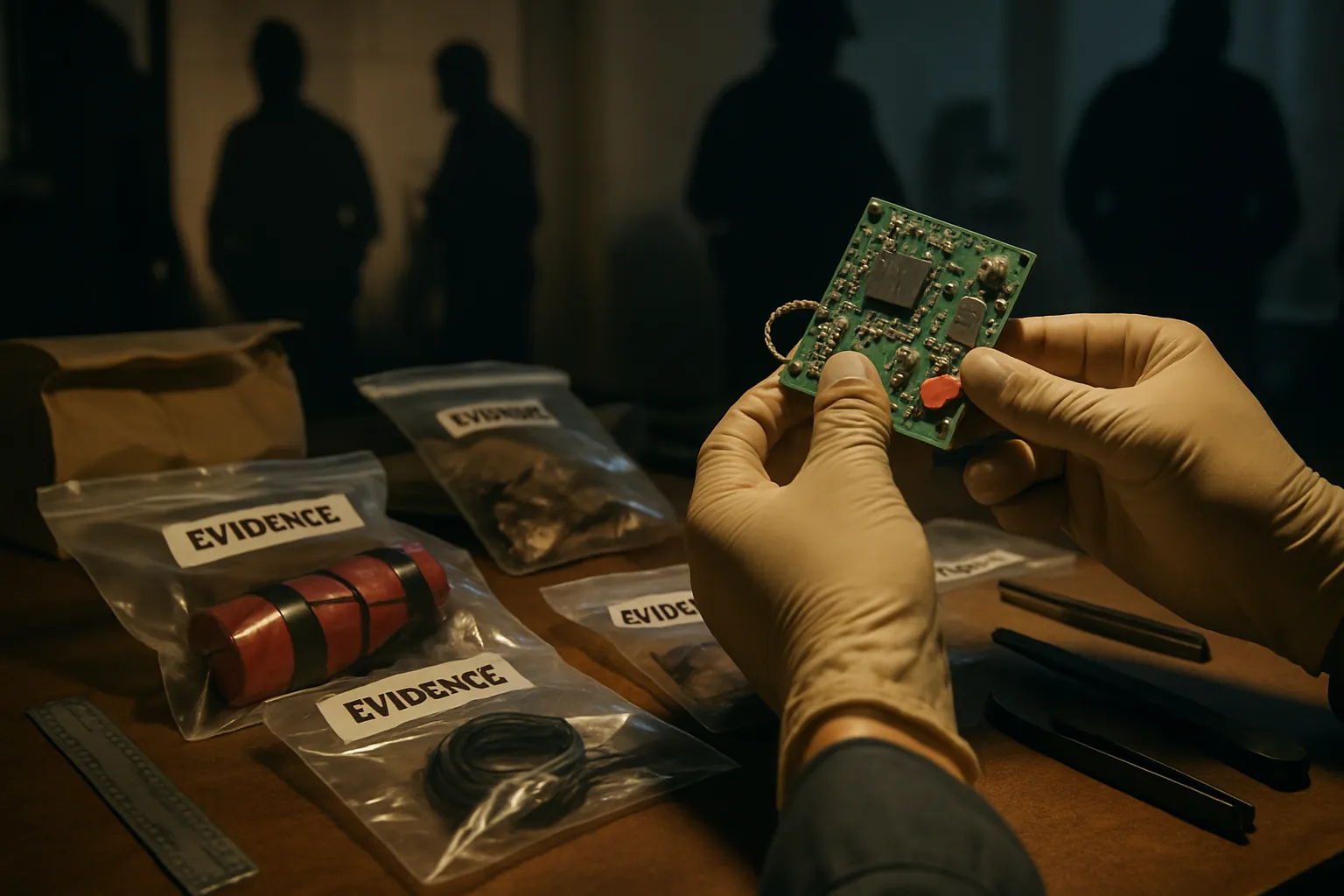
Several experts warn that this inward turn is not unique. Brian Levin, director of the Center for the Study of Hate and Extremism, warns, “We’re now seeing a migration of terror tactics, recruitment, and propaganda onto platforms where the reach and anonymity are unprecedented.” The convergence of fringe ideological spaces and do-it-yourself weaponry is not just a specter of possibility; it is increasingly a reality, as seen in the basement bomb-building that defined Naser’s final leap from online rhetoric to tangible threat.
“It’s a grim reminder,” says Karen Greenberg, director of the Center on National Security at Fordham Law, “that homegrown radicalization—steeped in the toxic stew of internet forums, real-life grievances, and anti-social isolation—can have consequences just as dire as anything plotted on foreign soil.”
Justice, Security, and the Progressive Imperative
Applauding law enforcement’s work, it’s essential to spotlight the careful and often underappreciated vigilance displayed by the FBI Detroit Joint Terrorism Task Force. Their success in disrupting and prosecuting a domestic terror plot highlights the ongoing, resource-intensive commitment demanded by evolving extremist threats. After a five-week trial and just six hours of deliberation, the jury’s guilty verdict was swift—a testament to the clarity and gravity of the case presented by federal prosecutors.
Yet as we reflect on this verdict, a larger national conversation comes into stark relief: What should society do to address the radicalization pipeline that persists not just despite—but sometimes because of—rigid carceral policies and a lack of community engagement resources? Here, conservative strategies that emphasize policing and incarceration over prevention and resilience-building are shown, time and again, to have limited reach. After emerging from prison, Naser was not de-radicalized or re-integrated. He was left, instead, to stew in the very circumstances that enabled his path to violent extremism.
Pew Research Center surveys reflect overwhelming support among Americans for strong action against violent extremism—but progressives understand that a security-only approach is not enough. Every instance like Naser’s demonstrates that investment in community-based prevention, online intervention programs, and robust mental health support are vital bulwarks against the next lone actor. The expertise of organizations such as Life After Hate, which assists individuals disengaging from violent extremist movements, points toward a future in which rehabilitation, not just punishment, forms a core part of national strategy.
Are we ready to ask the hard questions—not just about interdiction, but about the underlying ecosystem of alienation and rage in which extremism breeds? If nothing else, the conviction of Aws Mohammed Naser is a clarion call to expand public health approaches to violence prevention, center trauma recovery, and demand more from our lawmakers than simply building higher walls against tomorrow’s threats.
