
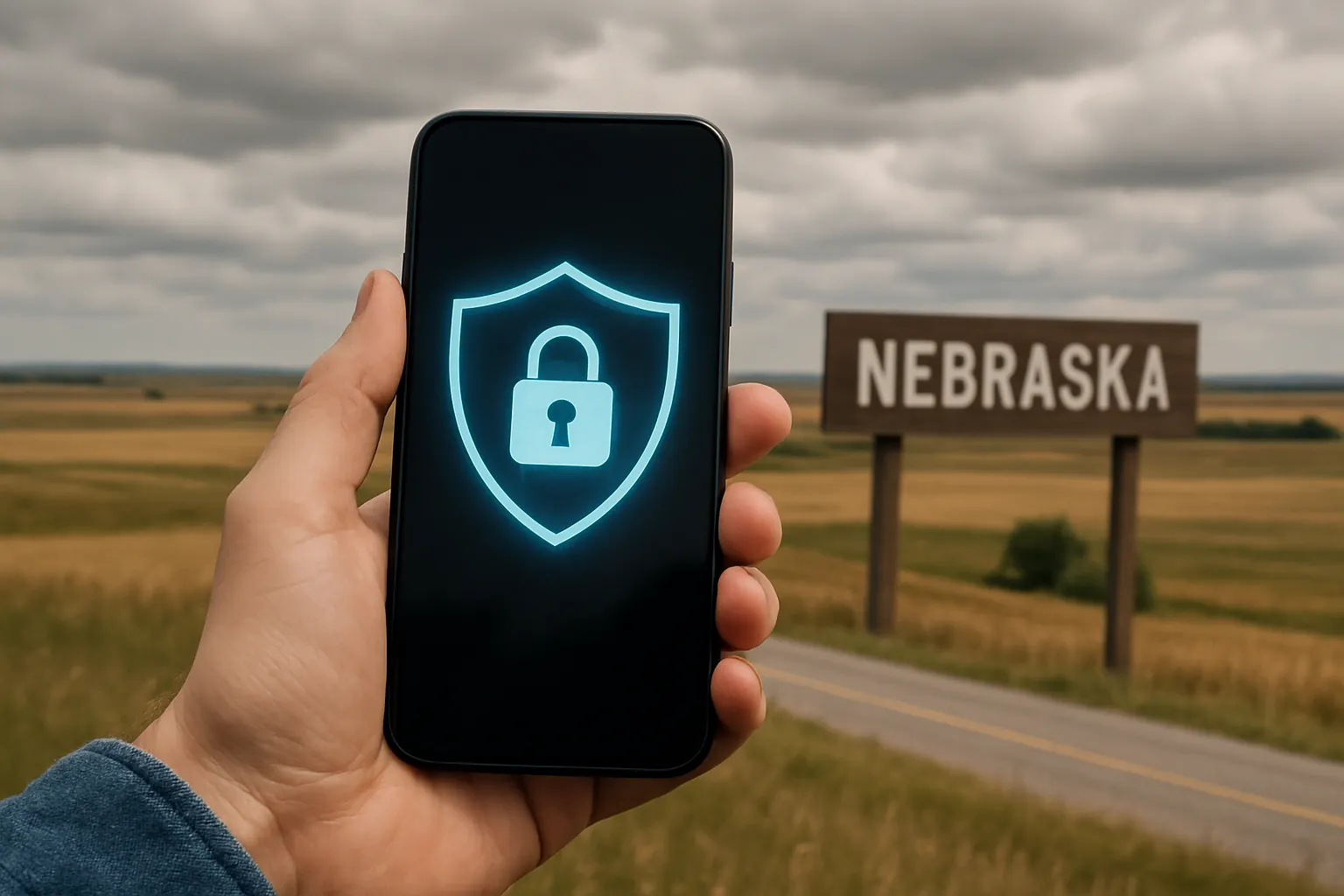
Nebraska Versus Temu: A Legal Battle Sparks National Privacy Debate
Picture this: you order an affordable gadget on a flashy new e-commerce app, expecting the promise of convenience and savings. Instead, your phone becomes ground zero for a global debate about privacy, national security, and corporate accountability. That’s what’s unfolding in Nebraska, where Attorney General Mike Hilgers’ landmark lawsuit against the Chinese online retailer Temu has ignited anxieties far beyond the state’s borders.
Hilgers alleges that Temu—a wildly popular app with millions of U.S. downloads—secretly harvests troves of personal data from unsuspecting Nebraskans. The lawsuit claims Temu’s app functions as malware, bypassing security measures to access photos, messages, precise location data, even microphones. Unsettling, yes, but the risk doesn’t stop there. The AG warns that under Chinese law, companies like Temu must share user data with Beijing on demand—and are compelled to deny it. In a world already on edge about digital surveillance, the implications are massive.
For progressives, this isn’t just a conflict with a faceless foreign retailer—it’s a cautionary tale about the real world costs of unchecked global capitalism and inadequate consumer protection. The headlines may scream of geopolitics, but for many Nebraskans this is about the safety of their kids’ data, the integrity of local businesses, and the right to trust the apps we use every single day.
How Did We Get Here? Deception, Data, and Nebraska’s Pushback
Online shopping has reshaped our economy, but Temu’s explosive ascent raises urgent questions. According to privacy researchers at Citizen Lab, apps that circumvent user permissions, collect extra data, and evade detection are disturbingly common, especially among platforms loosely regulated by Western standards. But Temu’s alleged practices—omitting permission requests, exploiting hidden APIs, failing to disclose data usage—cross a new threshold. The Nebraska lawsuit contends its methods make them a national security risk whose consequences ripple far beyond state lines.
A closer look reveals that beneath Temu’s glossy marketing lies a murky ecosystem. The suit details accusations of fake product reviews, rampant counterfeiting, and “greenwashing”—where Temu allegedly promotes dubious charitable causes to mask exploitative sourcing or forced labor. Nebraska brands and small businesses report their creations counterfeited and misrepresented as local, slicing away at community trust and livelihoods. And when Nebraskans try to return poor-quality goods? The system, according to the lawsuit, is rigged to keep their money and offer few remedies.
Attorney General Hilgers isn’t alone in raising the alarm. In testimony before Congress, cybersecurity expert Samm Sacks warned that Chinese tech platforms operating in the U.S. face dual loyalties—compliance with American privacy law and opaque data-sharing requirements under Chinese statutes. The broader result? A patchwork policy environment where Americans are left vulnerable in their own digital homes.
Temu, for its part, has denied all allegations, dismissing them as “misinformation from short-sellers.” Yet as scrutiny intensifies, consumers are forced to ask hard questions. Who stands to benefit from this system—and who is left exposed when digital wolves guard the henhouse?
“If Nebraskans can’t trust that their data is safe from prying eyes, then the very foundation of our digital economy is at risk—along with democracy itself.”
Lessons from History: Protecting Americans in the Age of Global E-Commerce
It’s tempting to regard Nebraska’s lawsuit as a skirmish in the broader technological cold war with China, but history urges a more careful look. Americans have long faced deceptive corporate practices—from unsafe products in the pre-FDA era to predatory credit giants pre-CFPB. The lesson? When lawmakers fail to adapt consumer protections to new technology, ordinary families pay the price.
Democratic lawmakers and consumer advocates argue the case spotlights decades of deregulation and budget cuts to watchdog agencies. Without modernized legal tools or the political will to enforce them, global players like Temu operate with near-impunity, profiting off public naivete and regulatory loopholes. As Harvard Law’s Susan Crawford notes, “Surveillance capitalism thrives on our distraction. By the time consumers notice, their data is long gone—and the damage done.”
Sweeping action is overdue. Solutions, experts urge, must address both local impact and global complexity. Privacy activist groups like the Electronic Frontier Foundation want stricter standards for foreign tech firms and transparency in data handling. Trade policy specialists, meanwhile, stress the need for international cooperation—punishing one company rarely solves the underlying issue. Strong federal safeguards, not patchwork state lawsuits, are the only way to protect all Americans equally.
For Nebraskans left navigating the fallout, the basic questions remain heartbreakingly simple: Why can’t federal regulators secure the digital marketplace? Who will ensure that our right to privacy is more than a hollow marketing slogan? In the coming months, the answers forged in courtrooms and Congress could redefine Americans’ expectations of fairness, trust, and democracy itself in the twenty-first century.
