
Chaos Erupts at Delaney Hall: Anatomy of an Escape
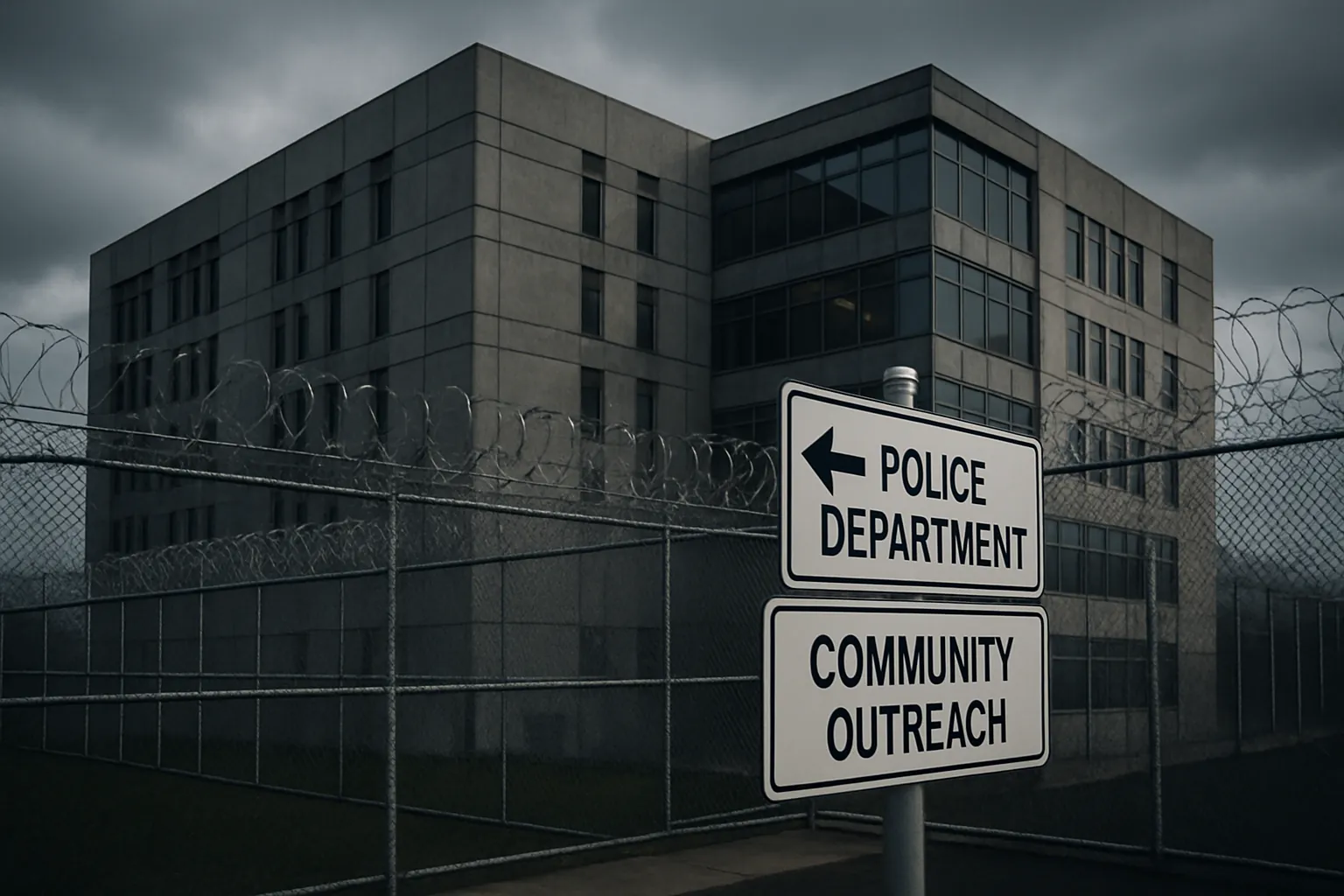
Thursday evening in Newark, New Jersey, gave citizens a front-row seat to the precarious intersection of immigration enforcement and human rights. Four detainees—two men from Honduras and two from Colombia, each held on serious felony charges—vanished from Delaney Hall, a sprawling ICE detention facility run by the private GEO Group. Their escape wasn’t orchestrated under cover of darkness or with masterful subterfuge, but in broad, chaotic view during a violent disturbance inside the jail and heated protests outside its walls.
What led to this dramatic jailbreak? According to firsthand accounts from immigration attorneys, detainees’ family members, and subsequent law enforcement reports, unrest had been brewing for days. The trigger that night, multiple sources confirm, was a delay in meal delivery—an indignity that, for those caged inside, seemed to represent larger and more persistent challenges: overcrowding, poor conditions, and the sense of being voiceless in a system stacked against them. As tempers frayed, about 50 detainees united in a desperate push against their confinement. Witnesses described a wall coming down—a literal and symbolic breach—and security scrambling to regain control. In their scramble for freedom, the four escapees fashioned bedsheets into ropes and descended from a third-floor window onto the moonlit parking lot below.
Outside, protests flared as anti-ICE advocates and family members locked arms, some coughing from suspected gas exposure that drifted over the barricades. “There is a deep sense from the community that this facility is not only unjust but unsafe,” said Maria Lopez, an immigration rights organizer present at the scene. As law enforcement responded with force and confusion, vehicles were blocked and the search for the escaped men began.
The Private Prison Dilemma: Oversight Versus Outsourcing
Privatization of immigrant detention has long been a lightning rod for controversy. Delaney Hall, opened just this year under a $1 billion, 15-year federal contract during the Trump administration’s aggressive immigration crackdown, is now at the epicenter of a national debate over the ethics and safety of private detention. The GEO Group, a for-profit prison company, touts security and efficiency, yet stories from inside—echoed in reports from the ACLU and Human Rights Watch—paint a different picture: chronic staff shortages, delayed legal access, and minimal accountability.
Newark Mayor Ras Baraka has emerged as a sharp critic of the facility, calling for independent oversight and denouncing the lack of transparency. This isn’t the first time Baraka has clashed with federal authorities; he was himself arrested during a protest at the center last year. His concerns are not isolated: According to an investigation by Rutgers Law School, detainees at New Jersey ICE facilities face longer wait times for medical care and legal counsel than in other states. The mayor’s demands for a public reckoning have only grown louder following the escape. “This is not simply about four men on the run,” he emphasized in a press conference Friday. “It’s about a broken system that jeopardizes both the safety and the rights of everyone involved.”
Why do elected officials allow these conditions to persist? Often, the debate gets hijacked by rhetoric about border security, with little room for discussion of either fiscal accountability or the humanity of those detained. “We shouldn’t be surprised when desperation boils over in places built on neglect and secrecy,” said Wesley Lowery, Pulitzer-winning journalist and MSNBC contributor. The profit motive, critics argue, too frequently trumps standards and safety, both for detainees and the surrounding communities.
“This is not simply about four men on the run. It’s about a broken system that jeopardizes both the safety and the rights of everyone involved.” —Mayor Ras Baraka
What Now? Reckoning With Systemic Failure
The Department of Homeland Security, shaken by the audacity of the escape, quickly branded the four fugitives as “public safety threats” and offered a $10,000 reward for tips leading to their recapture. Federally coordinated manhunts now crisscross New Jersey. Underneath the headlines, however, lies a more troubling reality: The Delaney Hall incident has exposed not just lapses in physical security, but deeper systemic rot.
Human rights advocates see the escape as a symptom of much deeper problems. “When people lose hope, they lose their fear,” immigration attorney Mustafa Cetin told NPR. Inside Delaney Hall, and many ICE facilities across the country, hope is in dangerously short supply. The American Bar Association, in its exhaustive 2023 report on private immigration detention, warned that “substandard conditions and barriers to legal process breed unrest and increase risk for both detainees and staff.” Food delays and overcrowding, as mundane as they might sound, can become the flashpoints for greater unrest under such conditions.
How does the nation move forward from this moment? Progressive lawmakers point toward comprehensive immigration reform as the only sustainable way to ease pressure on detention centers. Short-term, they echo Mayor Baraka’s calls: federal oversight, public audits, and the end of profit-driven immigration jails. The uncomfortable truth is that tough-on-immigration policies, particularly those rooted in privatization and mass detention, have failed to deliver sustainable security—or justice. Besides the human cost, these approaches have cost taxpayers billions and yielded little evidence of increased community safety.
A closer look reveals that the Delaney Hall escape isn’t so much an anomaly as a warning flare. According to a 2022 Pew Research Center report, private detention facilities report higher rates of violence, attempted self-harm, and allegations of abuse than their federal or state-run counterparts. While the headlines might focus on the fugitives, the real crisis is the culture of fear, secrecy, and disenfranchisement inside the walls of American detention centers.
The questions remain, and should trouble the conscience of any democracy: When standards fail and desperation reigns, who truly is secure? If our immigration framework cannot balance public safety with dignity and fairness, who does it serve? The politics of scapegoating migrants may stir up applause on the right, but the ripple effects—broken lives, unsafe communities, squandered resources—reach us all.
