
The Alaskan Reserve at a Crossroads: Oil or Obligation?
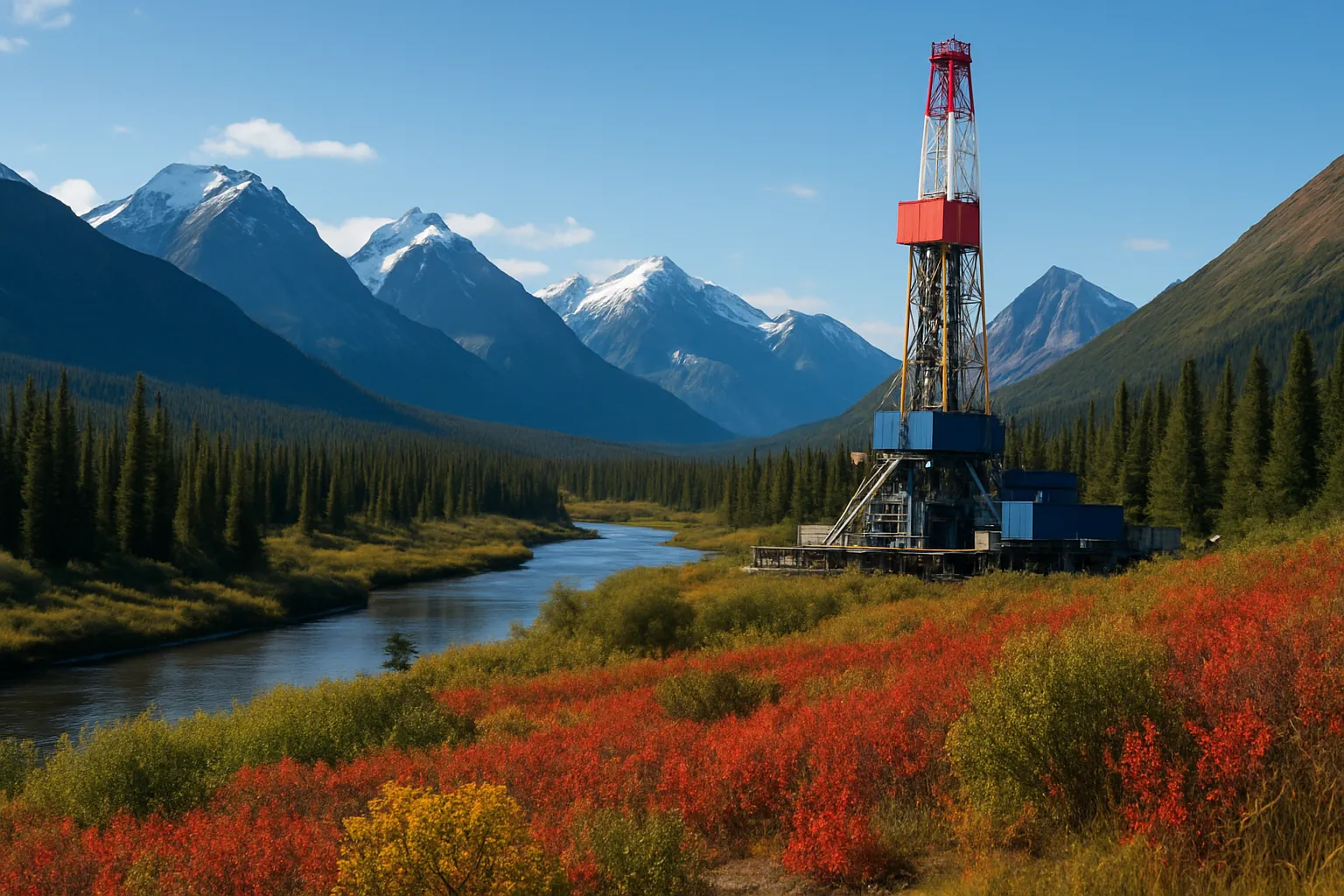
Imagine a landscape so vast and wild that scientists call its heart the planet’s “Serengeti of the North.” Now picture bulldozers cutting through this expanse, drilling rigs silhouetted against a horizon where caribou once roamed undisturbed. Such is the scene hovering over Alaska’s nearly 23-million-acre National Petroleum Reserve—a place rooted in both resource promise and environmental peril. The Trump administration’s recent proposal to unleash a sweeping expansion of oil and gas leasing—opening up to 82% of the reserve for drilling—stands at the intersection of two conflicting American impulses: economic expediency and stewardship of natural heritage.
This proposal, if adopted, would reverse Biden-era restrictions designed to shield invaluable wildlife habitat and protect indigenous communities’ way of life. Under the plan, even the Teshekpuk Lake area, a pristine sanctuary for migratory birds and caribou, could once again be under threat, undoing conservation rules dating as far back as the Reagan administration. Why resurrect this old battle for Alaska’s wilderness now? The answer isn’t simply about energy prices or short-term jobs. It is about how a nation defines its relationship to the land, its people, and the future they share.
Energy Dominance or Environmental Promises?
The NPR-A’s history reads like a barometer of America’s shifting priorities. Created in 1923 by President Warren Harding as an emergency oil cache for the U.S. Navy, this tundra has long reflected broader anxieties about national security and energy independence. By 1976, Congress transferred management of the reserve to the Bureau of Land Management (BLM), tasking federal overseers with the delicate balancing act of extracting resources and safeguarding the environment—a tension encapsulated by the Naval Petroleum Reserves Production Act’s mandate for an “expeditious program of competitive leasing” that would not sacrifice surface resources.
The Trump administration’s expansion proposal draws on this legacy but places a hard thumb on the scales in favor of fossil energy. Rooted in Executive Order 14153 and Secretary’s Order 3422—both touchstones of Trump’s so-called “Energy Dominance” doctrine—the plan seeks to maximize the exploitation of Alaska’s carbon riches as a bulwark against reliance on foreign oil. Secretary of the Interior David Bernhardt championed the policy, citing national security and the need for energy “self-sufficiency.” Supporters argue expanded leasing will spark job creation, revitalize rural economies, and pump billions into domestic coffers.
Is this optimistic narrative anchored in reality? Rystad Energy estimates that aggressive development could add several hundred thousand daily barrels—marginal compared to the global oil market. Harvard environmental economists warn that overreliance on short-term oil profits risks undermining both long-term sustainability and the economic diversification Alaska desperately needs (see: the boom-bust cycles that plagued the state’s finances over the past five decades).
Beyond that, opening Teshekpuk Lake would cross lines long honored by Republican and Democratic administrations alike. For decades, the area was off-limits to protect North America’s largest caribou herd and as a nesting ground for waterfowl that migrate across four continents. There’s no easy calculus for weighing short-term gains against long-term loss, but experts, including University of Alaska wildlife biologist Dr. Kris Hundertmark, stress that such development “puts at risk the ecological heart of the reserve.”
“It’s not just about the oil—it’s about what kind of legacy we choose to leave. Alaska’s wilderness is not a blank check for corporate interests.”
— Matt Jackson, The Wilderness Society
The Cost to Climate and Communities
A closer look reveals that the proposal’s greatest risks extend far beyond balance sheets. Climate scientists and indigenous leaders alike warn that opening such a massive slice of the NPR-A would push America in the wrong direction on climate action and devastate communities that depend on the land for survival. According to the National Climate Assessment, the Arctic is warming at more than twice the global average. Drilling operations not only bring the direct emissions of fossil fuel extraction, but also pave the way for oil transport, road construction, and industrial sprawl—fragmenting habitat and amplifying greenhouse gas release.
This is more than a hypothetical danger; it’s a lived reality for the Iñupiat people and other Native communities. The reserve isn’t just public land—it’s cultural territory, a source of caribou, birds, and fish that have fed families for millennia. Nagruk Harcharek, President of the Voice of the Arctic Iñupiat, described how previous oil booms have chased away caribou herds and fouled hunting rivers: “Our food comes from this land. Every pipeline and well pad is another wound.”
Conservation groups—including The Wilderness Society and Alaska’s Tribal councils—contend the administration is executing a reckless sellout, putting short-term industry gain ahead of public interest and planetary survival. Instead of learning from past mistakes, the United States risks doubling down on a model that’s proven both unsustainable and unjust. The Intergovernmental Panel on Climate Change (IPCC) concluded that new fossil fuel infrastructure is incompatible with keeping global warming below 1.5°C. Opening 82% of the NPR-A is not a step toward energy security, but a leap backward on climate responsibility.
Environmental justice, too, hangs in the balance. Dakota Access Pipeline protests, Standing Rock, and countless court battles have made clear that indigenous rights are often collateral damage in the quest for oil. The federal government’s legal obligation to consult Native communities is no shield when timelines are rushed and priorities predetermined. The current 14-day comment period on this draft plan, compared to typical multi-month reviews, testifies to an administration eager to race past dissent and accountability.
America’s Crossroads: Reckoning With Our Legacy
The NPR-A is not just a reservoir of hydrocarbons. It’s a test of whether America can reconcile its economic ambitions with its duty to safeguard shared inheritance. This moment demands something braver than defaulting to the past. Our children will not judge us by the barrels we lifted, but by the landscapes we protected and the futures we preserved.
The paradox could not be starker: as the world scrambles to decarbonize, the U.S. faces a choice between doubling down on yesterday or leading with vision. Investing in renewable energy, supporting green jobs in rural Alaska, and respecting indigenous sovereignty aren’t utopian fantasies—they are the only realistic path to true energy security and justice. The Trump plan may echo an old playbook, but the stakes—and the knowledge—are new.
History will record not just the oil taken from the tundra, but the courage or cowardice of leaders faced with a perilous choice. If this administration’s proposal proceeds, it’s the people, creatures, and climate of Alaska who will shoulder the cost. The rest of us? We’re inheritors of that legacy—whether by action or indifference.
