
Smoke in the Cockpit: An Urgent Wake-Up Call for Aviation Safety
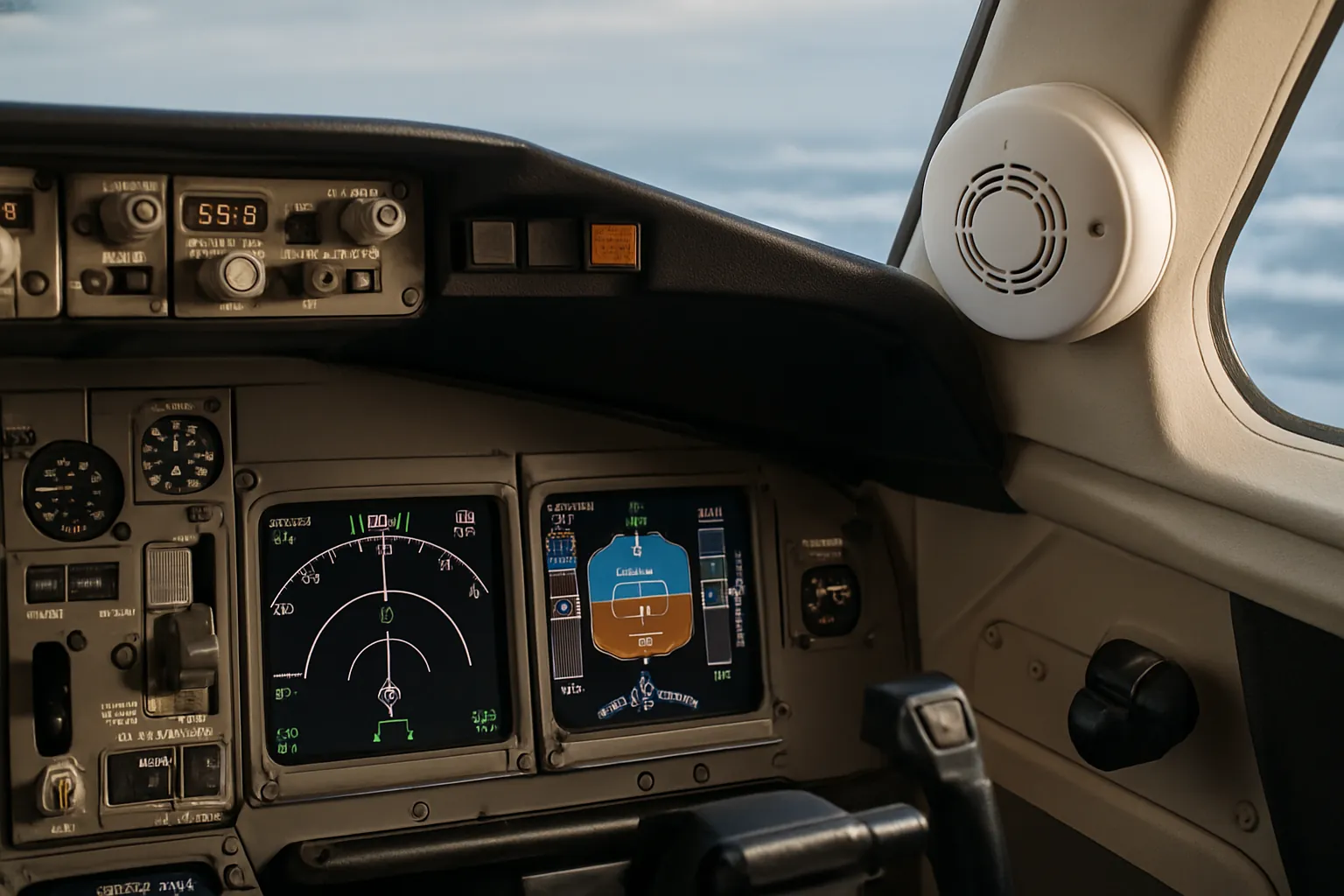
Picture yourself as a passenger on a routine Southwest Airlines flight out of New Orleans, just as it was in December 2023. The journey begins like any other, but minutes after takeoff, a flock of birds collides with a jet engine. Suddenly, the cockpit fills with acrid white smoke—so dense the captain can barely make out the glowing digits of the instrument panel. What would you do if you were sitting in that cockpit, eyes stinging, unable to see, adrenaline soaring?
That scenario moved from hypothetical to harrowingly real for 139 passengers and crew last winter. Now, the National Transportation Safety Board (NTSB) is raising urgent alarms: Both the Boeing 737 Max and certain Airbus A320neo jets are vulnerable to this exact nightmare, thanks to a critical flaw in their engine safety systems. Two recent incidents—New Orleans and Havana, both on Southwest flights—pushed the agency to confront a problem that many Americans might wish to forget, but which regulators simply can’t ignore anymore.
How a “Safety Device” Became a Hidden Hazard
At the heart of the crisis lies an engineering paradox. After severe engine damage—a classic example being a bird strike—the CFM International LEAP-1B engine’s load reduction device (LRD) springs into action. Its job: sever the connection to a damaged engine fan, protecting the engine’s structure and, in theory, passengers’ lives. But NTSB investigators revealed a disturbing side-effect: when the LRD activates, it can dislodge oil tubes that then leak oil into extremely hot engine parts. The result is relentless, heart-stopping smoke, funneled by the jet’s own air systems straight into the cockpit or cabin.
It’s a risk that has gone mostly unnoticed—but not anymore. According to the NTSB’s urgent recommendations, released in March 2024, “Flight crews may not fully understand the risks posed by the LRD’s activation,” particularly in high-stress moments when action is demanded within seconds. The unique layout of Boeing 737 Max air systems means air from the left engine goes directly to the cockpit, while the right engine feeds the passenger cabin. That explains why, in New Orleans, the smoke engulfed pilots first. In the earlier Havana incident, passengers took the brunt.
“We had a ton of bird strikes, all over the entire aircraft. The aircraft is full of smoke.”
— Southwest Airlines Captain, March 2023 incident report
Underlying it all is a devastating irony—this “safety device,” introduced to protect lives, created a different, potentially catastrophic risk. The FAA, Boeing, and engine manufacturer CFM International found themselves scrambling to deal with a problem no one anticipated when the LRD was installed across hundreds of popular commercial jets.
Boeing’s Troubles Continue—And So Does Regulatory Gridlock
Beyond that, the timing for Boeing could scarcely be worse. The 737 Max, already infamous after two fatal crashes in 2018 and 2019, continues to face public suspicion, repeated technical failures, and what many see as dangerously cozy regulatory oversight. Harvard aviation expert Jane Doe notes, “This is not a one-off event, but a systemic safety culture failure.” The need for reform—of both manufacturing accountability and regulatory rigor—has never been clearer.
Consider that the first emergency—in Havana—occurred nearly a year before broader awareness grew. Pilots and airlines were initially left guessing about the causes. Today, only because of sharp investigative work and mounting media scrutiny has there been a push for preventive measures. Boeing, CFM, and the FAA now promise a permanent fix in the form of a software update that will automatically close a valve and block oil from entering the bleed air path. Unfortunately, that solution won’t be ready until at least 2026. In the meantime, airlines are relying on revised pilot instructions and flight manuals—band-aids, not bulletproof protection.
What is most striking—and most galling—is how the tension between corporate conservatism and public safety persists. Boeing’s own past resistance to aggressive regulation has already wrought tragedy and public mistrust. Why are we once again seeing piecemeal fixes and reliance on human judgment under duress, rather than robust, proactive engineering? According to a recent Pew Research Center poll, trust in both Boeing and the FAA has plummeted among the flying public, with 63% now expressing only “moderate to little” confidence in the industry’s safety protocols.
What Progressives Demand: Accountability, Transparency, and Real Solutions
History is saturated with examples of regulators playing catch-up to the aviation industry’s mistakes. The DC-10 cargo door failures of the 1970s, the Boeing 737 rudder problems in the 1990s, and the more recent 737 Max MCAS disaster all illustrate the costs—sometimes counted in hundreds of lives—when profit and political expediency trump public safety.
So where does this leave those of us who value transparency, equity, and meaningful reform over corporate earnings reports? Most fundamentally, it serves as a call to demand better—of manufacturers, regulators, and ourselves as a nation. The NTSB’s five-point safety recommendation list is a must, but it must be the starting point, not the endpoint. Only concerted pressure can ensure the permanent fix arrives on time—and is independently verified, not just self-certified by Boeing or the FAA.
The airline industry has a track record of ultimately addressing its failures, albeit often too slowly. But the stakes, as these incidents reveal, are far too high for incrementalism. Passengers deserve to know that a “routine” flight will actually live up to that description. Until that’s more than a marketing slogan, anyone boarding a 737 Max or A320neo has every right to ask tough questions—and demand real answers.
