
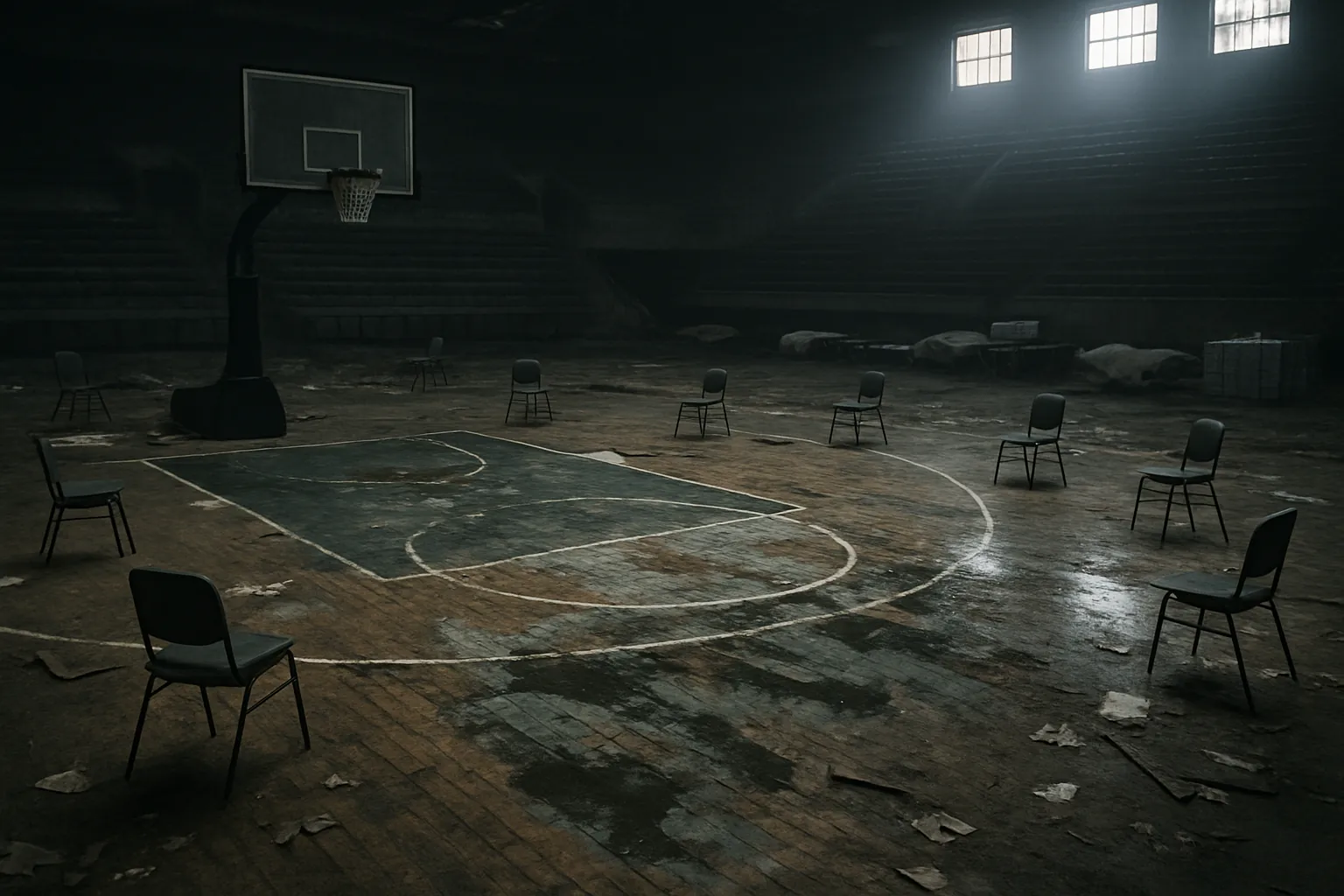
A Refuge Turned Hellscape: Inside the Superdome
At the height of Hurricane Katrina’s fury in late August 2005, 30,000 desperate souls poured into New Orleans’ Superdome seeking shelter. Official assurances of refuge quickly evaporated. As the levees buckled and floodwaters swallowed entire neighborhoods, what was meant as sanctuary devolved overnight into a scene of horror — a roiling cauldron of fear, squalor, and violence. Within days, the images and stories emerging from the Superdome shocked an already-reeling nation.
The National Geographic documentary, “Hurricane Katrina: Race Against Time,” revisits these harrowing days in forensic and deeply human detail. Survivor accounts recall a dark, sweltering coliseum slicked with filth and resonant with the screams of hungry, frightened children. Electrical power was a memory; toilets failed, forcing people to relieve themselves in hallways and trash bins. Corpses were left to decompose amid the living. As one exhausted mother, Taffany Smith, described — clutching her newborn son, she was instructed to scrape dirty nappies clean and reuse them, sobbing, “We pee on the floor.”
What went wrong? The answer, experts argue, was not merely the storm’s force but an abject failure of preparedness and will at every level of government. The Superdome disaster stands as a grim case study of America’s unfulfilled promises when the marginalized need help most. According to historian Douglas Brinkley, “We saw in real time how deep inequality, institutional neglect, and the demonization of the poor and Black intersected into tragedy.”
Chaos, Violence, and the Breakdown of Social Order
Newspapers at the time could barely grasp the scale of mayhem inside the Superdome: reports of stabbings, looting, rampant drug use, and suicides. Two people, including a child, were raped. Blood smeared the floors and walls. One middle-aged man leapt 50 feet to his death, his body removed by those left behind — there was no authority, only the law of survival.
Beyond the dire need for food and water, a fundamental breakdown in security fanned the flames. The National Guard was not in control; chaos reigned as frightened, traumatized people clung to rumors and thin hope. “It was a nuthouse, pure and simple,” recalled former New Orleans mayor Ray Nagin. The situation revealed in painful clarity what happens to the fabric of civil society when basic needs go unmet and official structures fail to materialize.
“We were invisible to the world, abandoned and forced to fight for survival like animals. Not because of nature, but because our own government refused to see us.” — Hurricane Katrina survivor interview, National Geographic Docuseries
Spike Lee, who chronicled the aftermath in the landmark HBO documentary “When the Levees Broke,” laid the blame at the feet of failed leadership — not just local or state, but a federal government slow to react and quick to shift responsibility. Michael Brown, FEMA’s infamous director, resigned under public pressure as outrage boiled over following days of bureaucratic dithering while suffering compounded hour by hour in the dome.
Katrina did not have to unfold this way. Harvard sociologist William Julius Wilson observed in a 2006 panel that the conditions inside the Superdome would have been “utterly unthinkable” in wealthier, whiter enclaves; central city New Orleans was left to its own devices because those stranded were seen as “other.” Race, class, and even age played critical roles in determining who suffered most and who was left behind as the waters rose. “This was not just a natural disaster, but a social one, exacerbated by deliberate policy choices.”
Lessons Unlearned: Institutional Neglect and the Price of Inequality
Almost two decades later, the warnings of Katrina echo with fresh urgency. Inequality and structural racism laid the groundwork for disaster long before the first raindrops fell. New Orleans’ poorest, overwhelmingly Black residents — lacking cars, money, or safe places to go — were left behind by evacuation orders not designed with them in mind. When the system failed, chaos reigned; when help finally arrived, it was too little, far too late.
Have we learned anything since the Superdome descended into darkness? Disasters since, from Hurricane Maria in Puerto Rico to COVID-19’s relentless toll on marginalized communities, suggest America’s safety net remains fragile and full of holes, especially for the most vulnerable. A 2023 Pew Research Center survey found that a majority of Black and Latino respondents still lack confidence in federal disaster response. Dr. Beverly Wright, executive director of the Deep South Center for Environmental Justice, emphasizes, “It’s not merely a question of logistics. It’s about dignity, respect, and the willingness to invest in communities long neglected.”
The National Geographic docuseries does not let viewers turn away from suffering — nor should we. Telling these stories is crucial for collective reckoning and reform. If America is to call itself a land of equal opportunity and justice, it must accept the hard lessons Katrina forced into public consciousness: Preparedness means meeting everyone where they are, not simply where the well-off can afford to be.
A closer look reveals remarkable resilience amid the Superdome’s misery. People shared water and food, protected strangers’ children, and banded together in makeshift support networks. Yet this pooled strength was an indictment as much as an inspiration — ordinary Americans should never be left to improvise survival against overwhelming odds. As emergent crises mount, will the nation finally prioritize not just response but prevention, justice, and accountability?
