
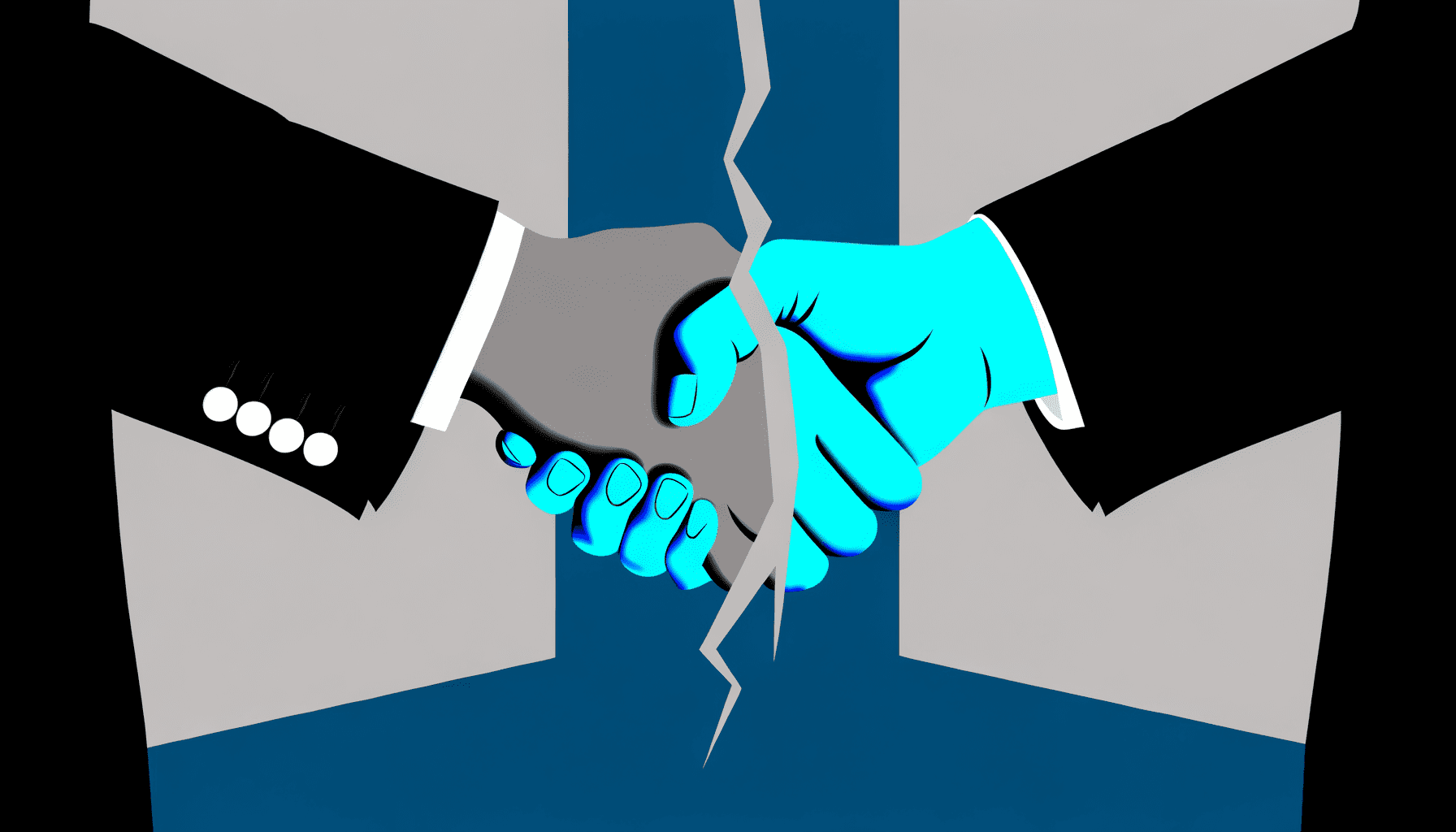
An Abrupt Breakdown of an Influential Alliance
For much of Donald Trump’s political ascension, Rupert Murdoch’s media empire was one of his staunchest allies, shaping public narratives and rallying conservative bases behind the former President. But recently, what appeared as an enduring partnership has unraveled dramatically. A stark illustration of their deteriorating ties came to light following Trump’s announcement of his 2024 re-election bid, which the Murdoch-owned New York Post dismissively mocked with the sardonic headline, “Florida Man Makes Announcement.”
This scathing headline reportedly sent Trump into fits of rage, branding Murdoch as a ”piece of s—,” an expression that concisely captures the current state of their strained relations. According to accounts featured prominently in journalist Michael Wolff’s new book, Trump furiously reacted to the jab, depicting this moment as symbolic of his growing frustrations with Murdoch.
Underlying Grievances and Simmering Tensions
Yet, beneath this headline-grabbing feud lies a complex web of personal grievances and ideological disagreements, deepened particularly post-January 6 Capitol riots. Murdoch, who had previously benefited from aiding Trump’s meteoric rise, began distancing himself after witnessing the tumultuous consequences of warping truths which, while serving his media interests for years, had proven eruptive. Murdoch’s belief that Trump is ”a moron”—as candidly revealed in private conversations recounted by Wolff—signals deeper disappointments regarding Trump’s handling of critical national issues, notably his controversial tariffs.
Trump claims his tariffs position America more robustly in international trade, yet Murdoch reportedly derided these measures as “the dumbest trade war in history.” Internal communications from Murdoch’s media companies reveal a deliberate strategy to gradually reduce Trump’s visibility, effectively labeling the former president a “non-person.” Murdoch appears compelled by hard calculations, determining that continued direct association with Trump’s divisive messaging risks becoming both ethically incoherent and dangerously fractious in sustaining credibility among broader conservative constituencies.
The Conservative Media’s Challenging Crossroads
The unraveling of the Murdoch-Trump relationship indicates a significant crossroads for conservative media. Historically, Murdoch’s outlets have navigated a delicate balance by amplifying extremist rhetoric to galvanize conservative movements while preserving just enough plausible deniability. Yet, the Capitol riots represented a breach of this delicate balance—a vivid reminder of the potential disaster that unchecked incendiary rhetoric can incite.
Murdoch finds himself forced into cautious repositioning—attempting to mitigate the fallout from supporting divisive politicians without alienating the devoted conservative audiences historically cultivated through Trump-aligned programming. This position is fraught with contradictions. Murdoch’s empire, dependent on the viewing structures cultivated largely through relentless propagating of Trumpian politics, struggles with disentangling itself.
As Machiavellian as Murdoch has been portrayed, observers suggest that the once beneficial ethno-nationalist undercurrents within Murdoch media have created unexpected fault lines, leaving them with an uneasy choice between ethical stewardship and business survival.
“Murdoch’s criticism of Trump exposes the intricate game media giants play—chasing ratings through sensation, only to grapple with unforeseen societal implications.”
Looking Forward: A Conservative Reckoning?
The Trump-Murdoch rift poses an opportunity for profound reflection within conservative movements about sustainable governance and media integrity. Trump’s ardent followers will likely recoil against Murdoch’s perceived betrayal, yet others within conservative circles could seize this moment to redirect conversations back to responsible governance and principled conservatism—constructing a path away from Trump’s polarizing shadow.
Conversely, progressive communities harnessing this dramatic spat might shape persuasive arguments about the untenability of sensationalism-driven conservative politicking. Trump and Murdoch’s fallout reveals significant cracks underlying the right-wing ideological facade, raising overdue questions about conservative coherence in a modern democratic society.
Despite his fury over recent events, Trump’s impact on conservative strategy remains acute. Similarly, Murdoch awaits challengingening decisions—whether forthright critique of extremism pays dividends such as wider societal acceptance at the cost of ratings, or if his empire’s survival mandates clinging onto inflammatory, Trumpist rhetoric.
These ambiguities mean the rift remains a cautionary subplot in understanding influential shapers of modern American thinking. The puzzling dynamic embodied in Trump’s public defiance towards his former media advocate suggests a broader promise—and peril—for society in reevaluating and reshaping intuitive political alignments and their moral implications.
