
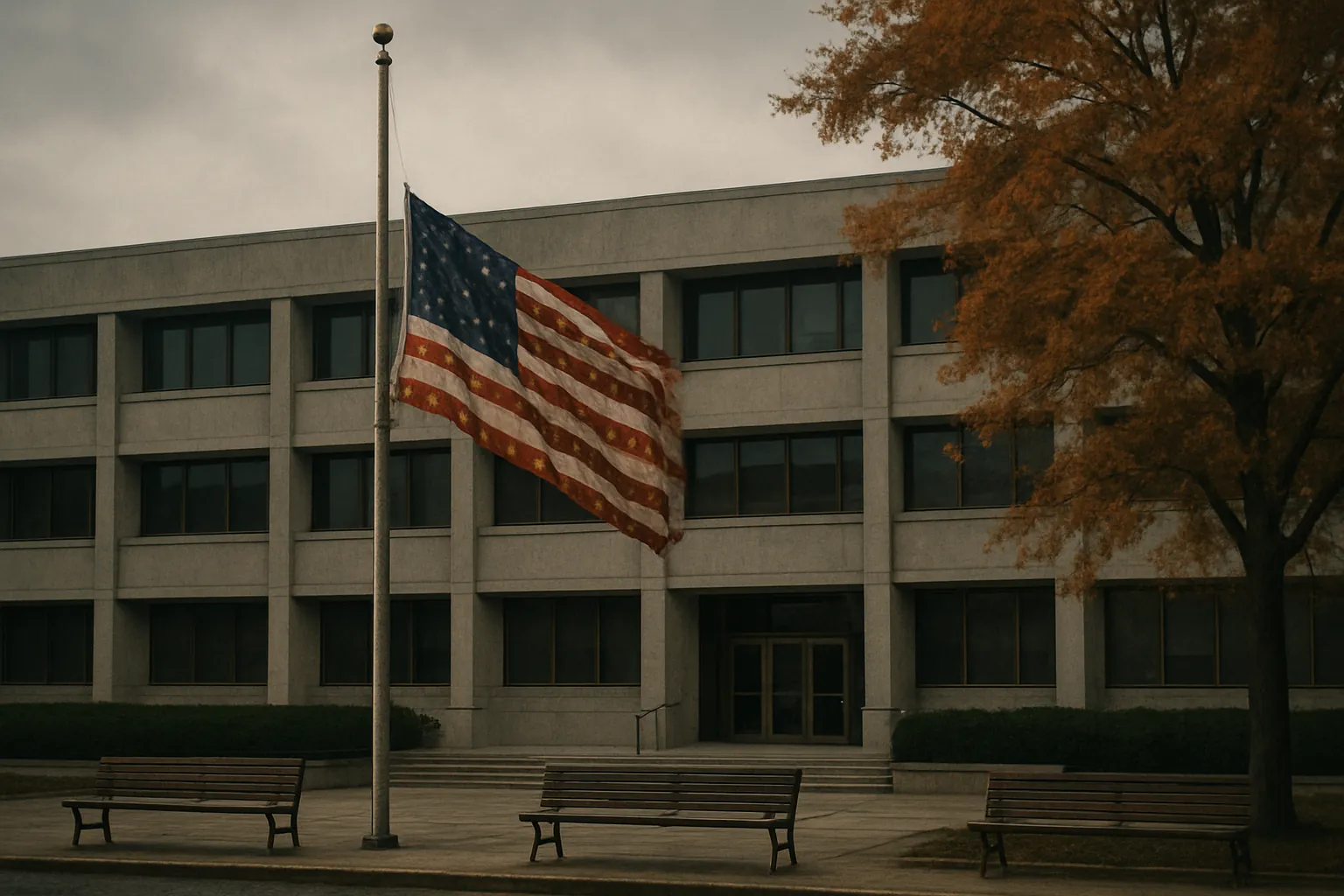
The Fallout: A Sharp Break with Worker Representation
Walk the halls of any Veterans Affairs medical center and you’ll find more than just skilled doctors and dedicated nurses. You’ll meet union activists, stewards, and organizers—federal workers whose protections have been bolstered for decades by collective bargaining agreements. That reality changed abruptly this week when the Department of Veterans Affairs announced the immediate termination of contracts with nearly every major union representing VA workers nationwide. Over 377,000 federal employees—nurses, administrative staff, and technical specialists—woke up to the news that their bargaining rights had vanished overnight.
This sweeping policy effort was triggered by a Trump-era executive order, enforced with fresh vigor by current VA Secretary Doug Collins. Officials claim the move will, finally, give managers the power to efficiently fire poor performers and promote excellence. Unions, including the American Federation of Government Employees (AFGE) and National Nurses United (NNOC/NNU), call the justification hollow, asserting the real aim is to muzzle labor’s voice as the agency slashes jobs and inches closer to privatization. At Wright-Patterson Air Force Base and Dayton VA Medical Center, for instance, thousands of full-time employees face new uncertainties about job security and workplace protections.
While VA leaders frame the decision as being in the “best interests of veterans,” critics are unconvinced. Everett Kelley, AFGE National President, describes the move as retaliation against outspoken workers who challenged recent job and benefits cuts. “They’re coming after us because we dare to stand up for veterans and the people who care for them,” Kelley charged at a recent union rally. Across the country, rank-and-file employees wonder if the real casualty will be the quality of the nation’s veteran healthcare system.
Behind the Rationale: Fact and Fiction in VA’s Justification
VA officials point to a staggering 750,000 hours spent annually by union representatives on official time—work paid for by taxpayers but devoted to union business. This statistic, repeated in press releases and interviews, is now central to the administration’s defense of the mass contract cancellation. Proponents argue that excessive union activity impeded necessary reforms, bogging the system down with grievance procedures and shielding underperforming staff.
But the true value of union involvement resists such easy quantification. According to a 2023 study by the Economic Policy Institute, federal agencies with strong unions see lower turnover, higher morale, and better patient outcomes—factors that matter deeply to both workers and veterans. Legal scholars like Harvard Law’s Cynthia Estlund warn that eliminating bargaining rights and grievance protections may have a chilling effect, discouraging staff from reporting unsafe practices or advocating for their patients. “When you take these rights away, you take away a layer of accountability that ensures safe, quality care,” Estlund told NPR.
Union leaders contend the administration’s real motive is to accelerate privatization—handing off more patient care to outside providers and gutting the federal workforce. This isn’t just a theoretical fear. The number of medical appointments shifted out to private hospitals and clinics has quietly increased over recent years. As National Nurses United president Jean Ross puts it, “If they silence the people who see the system from the inside, what’s left to protect veterans from cuts or unsafe care?”
“This move doesn’t make the VA stronger. It weakens the voices of those who fight every day for safe staffing, fairness, and better treatment for our veterans.” — Jean Ross, RN, National Nurses United
The push to streamline operations by undermining unions may, paradoxically, erode the very efficiency the policy was meant to create. Law professor Estlund points out that agencies often see an uptick in staff grievances, legal disputes, and costly turnover when worker protections are withdrawn. The result? Fewer caregivers with experience—and veterans forced to navigate the fallout.
Historical Parallels, Political Stakes, and the Road Ahead
This isn’t the first government showdown over workers’ rights, nor the first time the VA has become a battleground in the ideological war over the role of unions in public service. Flash back to 1981, when President Reagan fired over 11,000 striking air traffic controllers, shattering PATCO and sending a clear signal: public workers’ power comes with limits when it clashes with political priorities. Now, as then, the rationale centers on accountability and performance—but at what democratic cost?
The move to end collective bargaining at the VA signals a broader conservative attack on federal unions, echoing state-level efforts in Wisconsin, Ohio, and elsewhere to strip bargaining rights under the guise of “reform”. According to the Center for American Progress, such policies rarely deliver promised “efficiency gains.” Instead, the evidence points consistently toward weakened workplace protections, wage stagnation, and reductions in workforce diversity—outcomes at odds with the VA’s mission and the progressive values of equality and public accountability.
How might this play out at your local VA clinic? Reports from Ohio to Florida already describe heightened anxiety, with staff fearful of voicing concerns about resource shortages or safety risks lest they be branded as “problem employees.” One nurse at a California VA facility, speaking anonymously for fear of reprisal, painted a stark picture: “We used to step up to fix problems knowing we couldn’t be targeted for it. Now, everyone’s watching their backs.” This chilling effect isn’t merely academic; it’s the lived experience of frontline staff who bear the brunt when policy priorities shift from service to savings.
The legal fight, of course, is far from over. AFGE and partner unions are preparing new court challenges, aiming to restore their contracts and rebalance the playing field. Political observers note that, with a closely divided Congress and a White House increasingly emboldened to act by executive fiat, the future of federal labor relations is anything but certain. What remains clear, as history so often reminds us, is that veterans’ wellbeing and the rights of public workers are twinned destinies—and neither should be sacrificed for ideology’s sake.
