
The Quiet Crisis of School Supply Insecurity
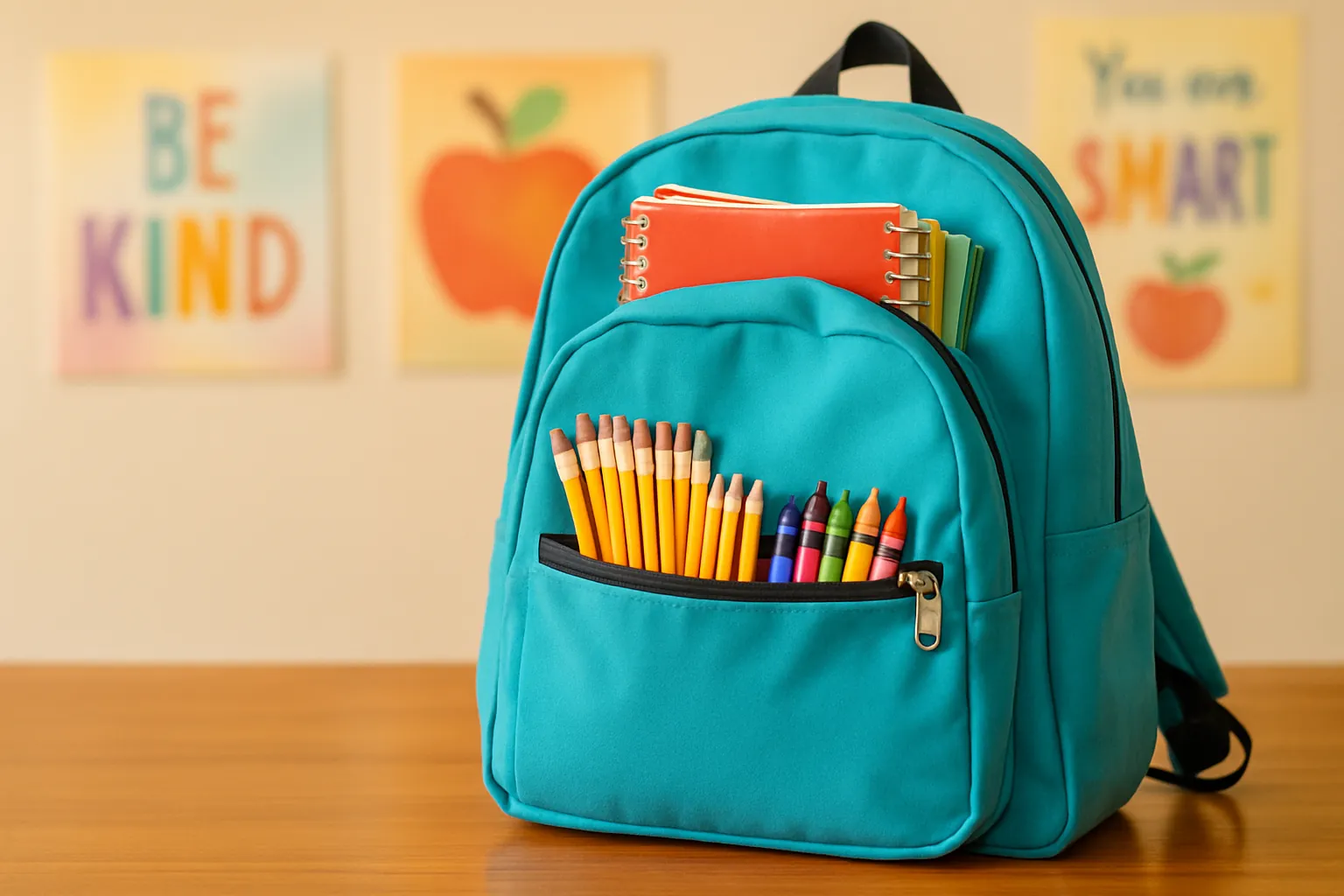
Every August across the United States, a less-discussed rite of passage replays in classrooms and kitchen tables alike: the scramble for back-to-school supplies. For many families, the annual ritual now comes with a hard reality—soaring costs, stretched budgets, and the heartbreaking choice between basics like rent and their children’s school needs. The specter of school supply insecurity hovers in communities big and small, rural and urban. In response, a growing movement of volunteers, nonprofits, and civic leaders makes the case for old-fashioned neighborliness—one backpack at a time.
A closer look reveals the depth of this grassroots response. In Airdrie, Alberta, Stephen’s Backpack Society, under the guidance of Nancy McPhee, meticulously plans for the distribution of 4,000 backpacks this year, even as requests continue to climb. “We thought we could get ahead of the demand,” McPhee remarked in an interview, “but it’s doubled since the pandemic, and we’re still not meeting every need.” Nationwide, similar stories of hope, perseverance, and ingenuity are unfolding.
Contrast that with the headlines pointing to climbing inflation and stagnant wages. The National Retail Federation projects back-to-school spending for K-12 families in 2024 will reach nearly $41.5 billion, a record high. This translates to an average of $890 per family—a figure that puts immense pressure on parents already struggling against rising food and housing costs.
Communities Step Up Where Policy Falls Short
In New Hampshire, volunteers for WMUR’s ‘Pack a Pack’ campaign filled over 4,200 backpacks—each one packed not just with pens, rulers, and erasers, but healthy snacks, too. These aren’t just fleeting acts of charity. For students in the state’s lower-income regions, that fresh notebook or tucked-away apple might mean the difference between feeling seen and being left out. Volunteer-driven programs like this are more than photo ops—they are lifelines developed out of necessity when social safety nets fray.
Why do communities need to shoulder this responsibility? America’s patchwork of school funding—tied so often to local property taxes—ensures an uneven playing field. As education historian Diane Ravitch famously observed, “Our current system institutionalizes inequity.” She was referencing how certain zip codes mean students start not just at different academic levels, but with vastly different resources. Without private donations and nonprofit drives, thousands would show up on day one embarrassed and ill-equipped.
“We have families who come in with tears in their eyes,” says Angela Amos-Ward of the Katrina Amos Kids Empowerment fund in Carroll County, Mississippi. “They want nothing more than to see their children succeed—and these backpacks are a small act with a big impact.” The county’s festival distributed around 500 backpacks, with uniforms and even monetary stipends for school clothing, all underwritten through community partnerships.
“We should never ask a child to worry about having the right tools to learn. That’s on us—as a society, as a community.”
Where government programs trail behind, organizations like the Ashland Community Development Corporation (serving Baltimore families since 1996) step up. Their annual festival not only provides custom-tailored backpacks—sized and stocked for each student’s age and curriculum—but brings together local leaders, educators, and parents to foster community pride. Building a culture of collective responsibility alters the educational landscape far more effectively than any isolated act of giving could.
The Case for Systemic Solutions—and Collective Action
Backpack drives make headlines, but underlying the brightly colored donations are sobering truths: these efforts are both a testament to community generosity and an indictment of broader public policy failures. Liberal critics point out that while private philanthropy is commendable, it can never fully compensate for persistent underfunding of public education. According to a 2023 Pew Research study, nearly 60% of Americans say the government does too little for children and the poor. The data tracks with what we see on the ground: the rising cost of back-to-school lists, the frantic calls from educators for basic supplies, and the burdens placed on working families.
What gives hope is the ingenuity on display. In places like Wilmington, Los Angeles, and New Hampshire, local media campaigns have rallied TV viewers into action, producing not just backpacks but renewed social bonds and advocacy. The ripple effect can’t be underestimated—children walk into school feeling like part of the group, families gain breathing room, and adults model the values of empathy and solidarity. Yet, as former Education Secretary John King Jr. asserts, “Charity relieves immediate distress but justice addresses root causes.”
You may ask, what would genuine systemic change look like? It begins with equitable funding formulas that stop privileging affluent districts, federally backed free school supplies for all students, and policy reforms that recognize education as a universal right—not a privilege contingent on luck or zip code. Nationwide, progressive leaders have championed these ideas, but political resistance—often from conservative lawmakers wary of “big government”—continues to block meaningful progress.
Even so, grassroot efforts remain a stubborn, beautiful constant. As summer fades and bell schedules beckon, the real question isn’t just who’s handing out backpacks—but why we’re compelled to rely on charity at all. Until the nation lives up to its promises, stories like these remind us of both society’s shortcomings and its enduring capacity for compassion.
