
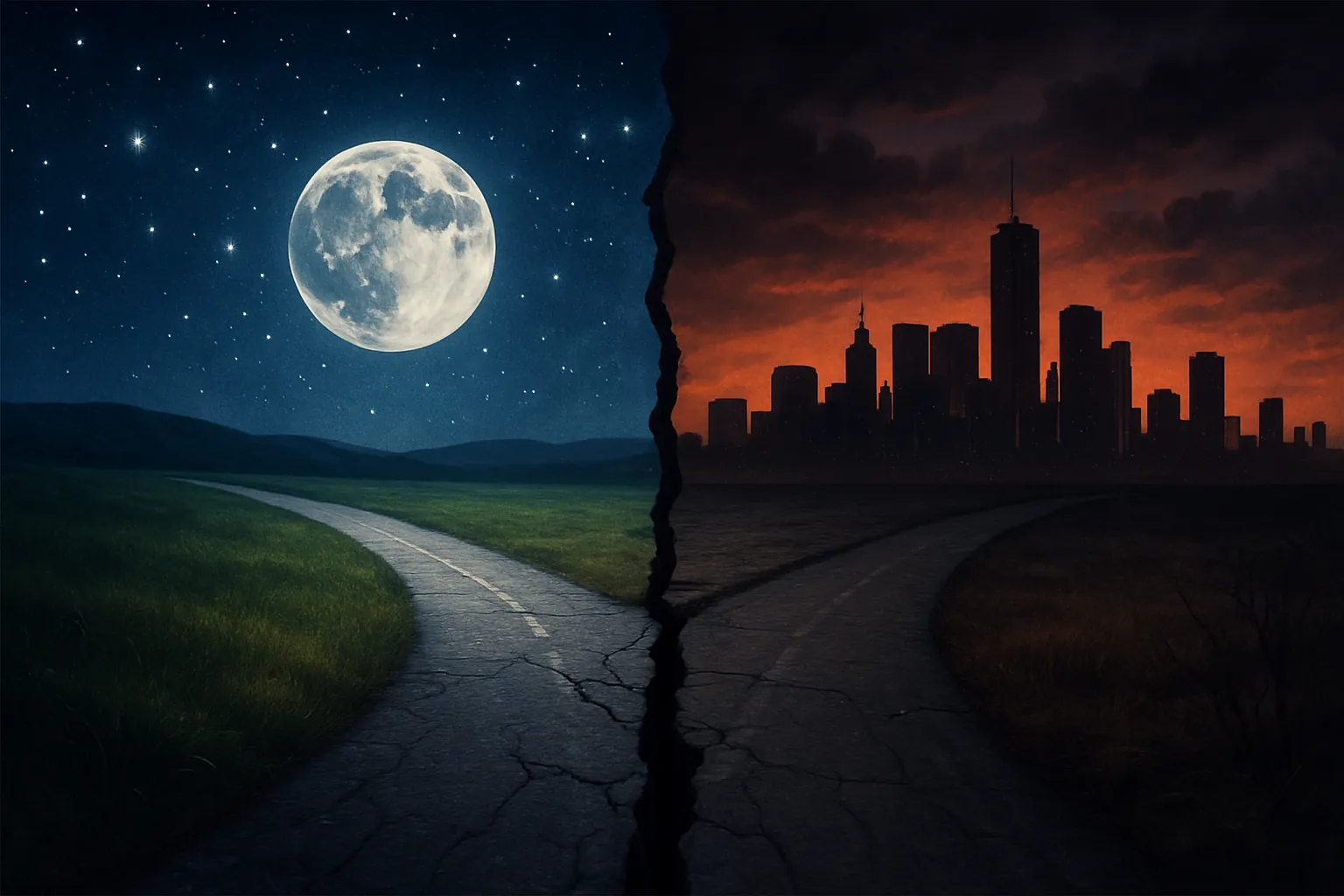
One Rebel’s Dilemma: A Star Wars Icon Considers Escape
Picture this: The world awakens to Donald Trump’s surprising reelection in 2024, and one of America’s most beloved actors quietly asks his wife where—in Ireland or London—they should start over. For Mark Hamill, famed for bringing Luke Skywalker to life, the election’s aftermath wasn’t just a bad night’s sleep; it was the kind of existential jolt that makes a person weigh abandoning the country they helped define in its pop-culture mythology. “Why are we letting him drive us out?” his wife, Marilou York, ultimately challenged him—a question that kept the couple rooted despite the tidal wave of doubt.
This wasn’t mere celebrity bluster. As Hamill revealed in recent interviews, his discomfort runs deep—threaded through anxieties over gun violence, a fracturing civil discourse, and what he calls the “absurdities” of MAGA-driven politics. The actor even hesitated to take a coveted role in a forthcoming adaptation of Stephen King’s The Long Walk, haunted by America’s love affair with firearms. His story isn’t unprecedented among Hollywood progressives. According to The Hollywood Reporter, both Rosie O’Donnell and Ellen DeGeneres have already made good on relocation plans, O’Donnell citing both anti-trans legislation and the need to shield her autistic child from a volatile climate. As politics veers toward dystopia, escape fantasies become practical plans.
Political Fatigue and the Resilient Majority
Is this despair justified, or does it signal something deeper about America’s self-image? Hamill, reflecting on a nation he once viewed with uncomplicated pride, now manages his anxiety by imagining current politics as a kind of endless, twisting novel—helmed, in his words, by “bullies and incompetents.” Yet there’s hope buried beneath the cynicism. Hamill insists that America is still home to “more honest, decent people than the MAGA crowd”, a belief he clings to as an anchor.
History offers ample precedent for this feeling of political whiplash. The fallout after Richard Nixon’s resignation, or the culture wars unleashed by Ronald Reagan, both left many Americans questioning whether their nation’s trajectory was sustainable. Then, as now, the temptation to leave was palpable for some—novelist James Baldwin famously moved to France amid the civil rights tumult, while scores of draft-dodgers sought refuge in Canada during the Vietnam War. Yet, over time, civic engagement and grassroots activism pushed reforms through the tumult. That ever-renewed faith in democracy’s renewal is what progressive activists and cultural leaders still rely on today.
“The thing that makes me able to stay is the belief that there are more honest, decent people in America than those lost to resentment and rage. If I didn’t believe that, I don’t know what I’d do.”
Yet, the Hobson’s choice facing figures like Hamill isn’t just about headline policy or the omnipresence of Trumpian braggadocio. It’s about a moral gut-check, a line in the sand. “If Trump can push us out of our own country, what are we fighting for?” York’s reply underscores the paradox many Americans feel: the pull of self-preservation competing with a stubborn hope for redemption.
Absurdity, Culture, and the Future of Resistance
Beneath the swirl of policy disputes and Twitter spats lies a deeper struggle for America’s soul. Hamill views Trump-era politics as an exhausting series of “absurd distractions”—from quixotic plans to annex Greenland, to feuds with celebrities, to the casual threat of stripping away Rosie O’Donnell’s Irish citizenship. These outlandish moments are not just fodder for late-night jokes; they sap attention and energy from genuine crises: climate action, gun violence, LGBTQ rights, and the everyday dignity Americans deserve.
Gun culture presents a particularly acute crisis for artists like Hamill. Harvard sociologist Matthew Liao notes the way “ubiquitous gun violence shapes the national psyche, leading not just to mass shootings but to a cultural numbness that seeps into everything—even creative industries.” For someone asked to embody America’s best instincts on screen, the disconnect between fiction and the nation’s grim reality becomes a personal burden. It’s little wonder Hamill second-guessed taking another violent role.
What’s at stake is far bigger than celebrity relocation or rhetorical outbursts. As author and activist Rebecca Solnit writes, “Democracy isn’t a state but an act.” American progress isn’t automatic, but built brick-by-brick by those who refuse to yield their ground—even after electoral defeat or cultural setback.
Beyond that, history reminds us that cultural outflows—whether it’s Hollywood dissidents, tech innovators, or marginalized communities—leave wounds that take generations to heal. The so-called “brain drain” from Nixon’s era, or losses following the 1930s Red Scare, sapped creative energy and undermined the nation’s image abroad. Persistent progressive values—equity, justice, community—are not optional luxuries but the foundation of a healthy democracy.
The failures of Trump-era conservatism—from performative immigration stunts to reckless foreign policy gambits—only strengthen the case for continued resistance. The question isn’t whether another term will force principled dissenters to flee, but whether those who remain will fight harder for a future that finally embodies America’s highest ideals.
