
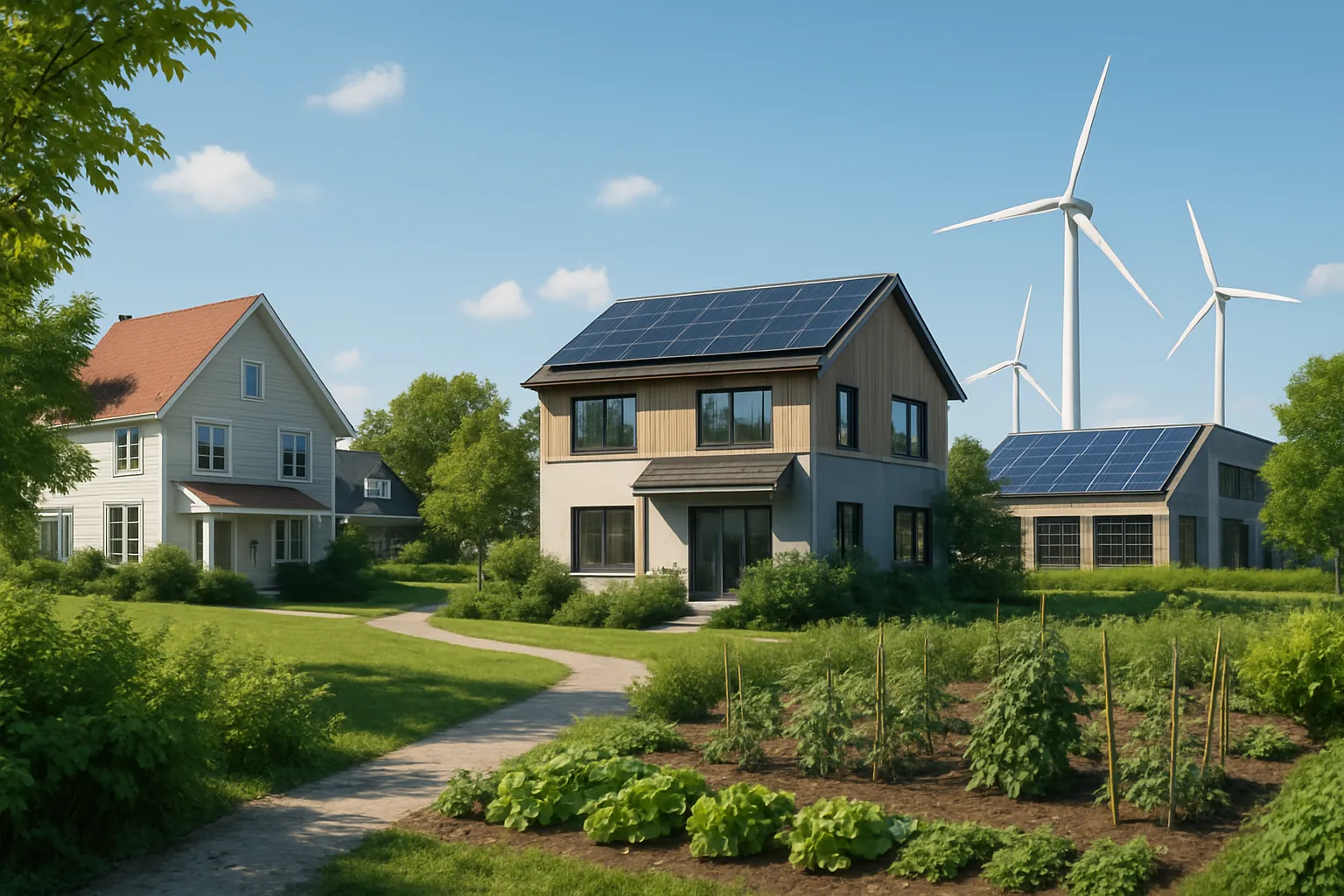
The New Anxiety: Climate Risks Take Center Stage in Real Estate
In a market long dominated by the mantra “location, location, location,” another factor is making its way to the very top of property buyers’ minds: climate risk. Recent research from Landmark Information Group has brought into sharp relief how fundamentally concerns about climate change have begun to transform the world of UK real estate. An eye-popping 99% of surveyed conveyancers, estate agents, and mortgage lenders now report a spike in client worry about this growing threat.
What’s behind this shift? Rising awareness is certainly part of the story, but so is lived experience. Heat stress and energy performance—not traditional flood zones—have overtaken the list of top buyer anxieties. According to surveyed professionals, 62% of clients cite heat stress and 65% energy efficiency as urgent issues, comfortably outranking flooding (51%). The effect has been transformative: now, more than half of conveyancers (55%) actively advise on climate vulnerabilities during property transactions, a role once reserved for only the most forward-thinking firms.
A closer look reveals a deeper appetite for preemptive measures. 51% believe that climate risk should be flagged early in the buying process—by estate agents, even before conveyancers or mortgage reviews begin. Yet, amid this surge in concern, most property professionals agree the industry lacks clear regulation and definitive guidance, turning climate risk advice into a Wild West of piecemeal approaches and uncertainty. Buyers are left wondering: who is responsible for telling the hard truths about the places we call home?
Climate Priorities: Where Politics and Pragmatism Collide
This anxious new awareness among property professionals mirrors a wider ambivalence that defines much of the Western public’s attitude toward climate change today. The American Enterprise Institute recently spotlighted this paradoxical mindset: two-thirds of Americans consider climate change important, but it sits a lowly 15th out of 18 on the list of public priorities—even as the evidence mounts that our economic future is tied to environmental health.
What explains this disconnect? Economic insecurity is a major culprit. Harvard economist Jody Freeman argues that “Americans simply don’t want to pay more in the short term to avoid a danger that still feels hypothetical to many.” After years of culture war polarization, climate change has become yet another ideological marker—one often trumped by concern over inflation, job security, and geo-political threats. The Pew Research Center highlights that, since 1994, the percentage of Republicans calling themselves “very conservative” or “conservative” jumped from 60% to 77%, while Democratic identification as “liberal” or “very liberal” only edged up from 25% to around 35%. In this environment, any sensible, bipartisan dialogue about long-term planetary risk versus short-term wallet impact gets drowned out by shouty soundbites and manufactured doubt.
Beyond that, the lessons for political leaders are stark. When confronted with the pain of economic reality—the toll of high energy bills and cost-of-living crises—even the fiercest climate rhetoric can collapse under the weight of populist backlash.
Ideals Versus Hard Choices: The Carney Contradiction
The career arc of Mark Carney, the economist-turned-statesman who once sounded the alarm about “stranded assets” and unburnable fossil fuels, offers a timely parable. As Bank of England Governor, Carney’s warnings back in 2015 were applauded by environmentalists worldwide. He declared that most fossil fuel reserves would soon be valueless—unless carbon capture technology rewrote the equation—spurring debate about whether prudent governments could justify new investments in oil and coal at all.
Fast-forward a decade and politics has, predictably, intervened. Now Prime Minister of Canada, Carney’s government has fast-tracked new oil pipeline projects, citing the need to “secure national energy and jobs.” The about-face is jarring but familiar. Carney once championed consumer carbon pricing as an economist, only to see it torpedoed by populist resistance after he entered office.
“Pragmatism is easy to invoke—until science, and smoke, force us to reckon with reality.”
Are such pivots acts of political betrayal, or understandable responses to ever-present economic anxiety? Some analysts, like environmental policy expert Leah Stokes of UC Santa Barbara, argue that “real climate leadership means holding the line on science even when it’s politically costly.” Yet the lesson from Carney’s journey—echoed from Ottawa to London to Canberra—is a sobering one: even well-intentioned leaders can be boxed in, their boldest promises whittled away by the daily grind of pragmatic governance and an impatient electorate.
Navigating Toward Solutions—Or Just Treading Water?
The growing public demand for honest, evidence-based climate risk guidance in the property industry is both hopeful and incomplete. Buyers want truth, but also reassurance; they seek accountability, but fear bad news’ effect on their investments. Politicians, meanwhile, genuflect to science on the campaign trail, then take refuge in “pragmatism” at the dispatch box.
History offers some cautionary tales—and inspiration. When acid rain threatened the Northeast and Midwest in the 1980s, the United States mustered cross-partisan resolve to pass the 1990 Clean Air Act Amendments, coupling regulatory muscle with economic incentives. The result: sulfur emissions plummeted, and costs ran far lower than the doomsayers predicted. Why does climate change policy feel so much harder? Scale, timescales, and the well-oiled machinery of misinformation all play their part—but complacency is the most dangerous threat of all.
It’s easy to underestimate the risks until they come pounding at the front door—as heatwaves scorch new neighborhoods, insurance premiums soar, and buyers ask not just about school districts but solar panels and weather-resistant windows. Property professionals on the ground are now on the front lines, forced to bridge the gap between climate science and family dreams, between hard numbers and human hopes.
The future will be written by those who refuse to settle for the least inconvenient truth. Will our leaders heed the warning signals coming from the very people they claim to serve, or will “pragmatism” continue to trump principle in the face of mounting evidence? The stakes—home, hearth, and the planet itself—could hardly be higher.
