
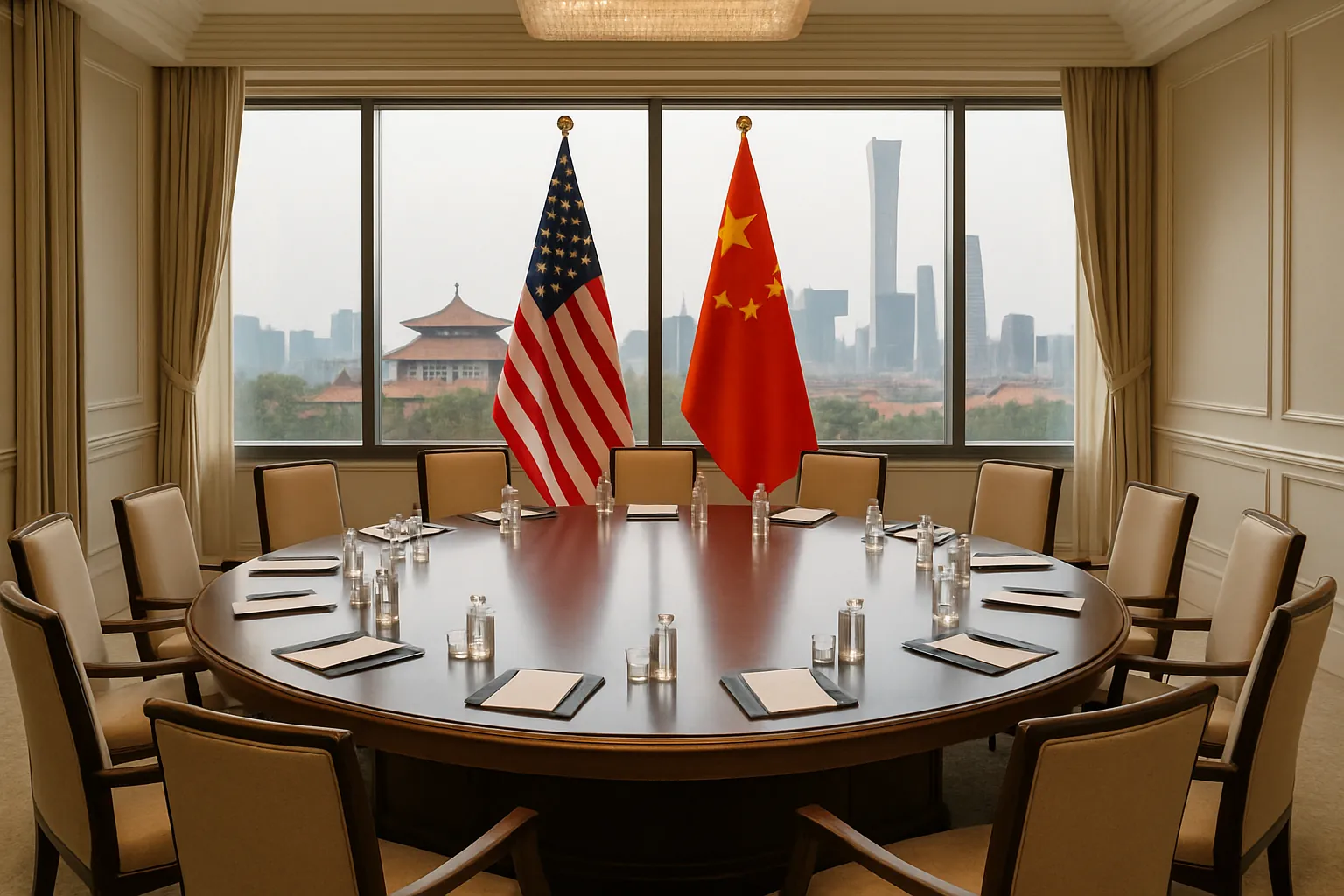
Unanswered Invitations and the Politics of Diplomacy
Few geopolitical sagas rival the fraught, often tense, dance between Washington and Beijing. In a recent twist, China extended a formal olive branch to President Donald Trump: an invitation to a high-level summit in Beijing with President Xi Jinping. Yet the White House remains curiously silent—its hesitation less a matter of scheduling, and more a reflection of unresolved, deep-seated disputes that cut to the heart of U.S.-China relations. The Financial Times revealed that this overture comes at a time of palpable strain, with both countries locked in negotiation gridlock over trade imbalances and, perhaps more urgently, the deadly flow of fentanyl into the United States.
Why would Beijing reach out now? Experience with past U.S.-China summits suggests diplomatic theater is seldom mere pageantry. Think back to Nixon’s iconic visit in 1972—another moment when diplomatic invitations were freighted with existential stakes. Today, while a Beijing summit would be symbolically seismic, its substance is up in the air. According to Sarah Beran, who served on the White House China policy team, recent communications have the “distinct energy of prelude,” but the actual location and scope of a potential leader-level meeting remain far from settled.
For many Americans, the fentanyl crisis isn’t academic—whole communities are suffering. Research by the CDC paints a dire picture: Fentanyl-related overdoses remain a leading cause of accidental death in the U.S. Lawmakers, including Senator Steve Daines, have made clear that before trade negotiations or tariff relief move forward, China must do more than symbolic gestures—it must enforce “drastic measures” curbing the export of fentanyl precursors. The status quo is simply untenable.
The Gridlock: Tariffs, Fentanyl, and Unanswered Questions
Ongoing cabinet-level contacts underscore both hope and anxiety in this fragile moment. Beyond high-profile headlines, Treasury Secretary Scott Bessent’s scheduled meeting with Chinese Vice Premier He Lifeng in Madrid represents a fourth—possibly pivotal—round of talks. Such summits are sometimes where backchannel breakthroughs occur, paving the way to more formal leader-level negotiations. But as veteran diplomats know, summit choreography only matters if substance follows stagecraft.
Trade remains a sore nerve. Persistent tariffs imposed during Trump’s presidency, and maintained in modified form under Biden, continue to roil both economies. China, now urging tariff relief, is simultaneously flexing its own economic muscles by launching anti-dumping investigations into select U.K. chip exports. Experts like Harvard economist Lin Zhou caution that, historically, tariff wars tend to produce pyrrhic victories at best and mutual economic harm at worst. This scenario is hardly abstract: farmers, manufacturers, and tech workers on both sides of the Pacific are already feeling the sting. The so-called “war on fentanyl” runs parallel—but pointedly human—stakes. According to a recent RAND report, most illicit fentanyl reaching American streets traces its chemical ancestry back to Chinese suppliers, highlighting the interconnection of illicit trade and geopolitical leverage.
“Progress on trade means little if families across America continue to lose loved ones to fentanyl,” a spokesperson for Senator Daines emphasized, “and until China takes enforceable action, concessions on tariffs are off the table.”
Can Beijing credibly promise to police its sprawling chemical industry? Is America ready to normalize trade while victims of opioid addiction still fill its jails and morgues? These aren’t just technical questions for diplomats—they’re challenges that cut to the core of national identity and obligation.
Global Stakes, Progressive Values, and a Path Forward
While conservatives are quick to tout tough-on-China rhetoric, their policies have too often substituted performative bluster for concrete results. Raising tariffs hasn’t forced Beijing’s hand; pushing China on fentanyl without addressing U.S. pharmaceutical regulation or addiction treatment has proven tragically ineffective. As progressives, we recognize multilateral engagement and evidence-driven policy as the only sustainable route.
This moment calls for ambitious thinking, not reactionary sound bites. In 2015, for example, hard-won global efforts to curb the ivory trade delivered unprecedented progress—only when activists, policymakers, and international experts worked in concert. Applying that lesson, tackling fentanyl means bringing together law enforcement, regulators, public health officials, and yes, Chinese counterparts in transparent, accountable dialogue. Progressive leaders should also demand that any eventual agreement addresses labor rights, environmental standards, and supply-chain transparency, not just tariffs and diplomatic optics.
As the world watches the diplomatic maneuvering, ordinary people—from Midwestern manufacturers squeezed by tariffs, to parents mourning overdose victims—deserve policies rooted in compassion and justice, not headline-chasing theatrics. A real breakthrough requires shared sacrifice and vision, not zero-sum calculations. The legacy of U.S.-China relations will be measured not by summits staged for the cameras, but by whether the two powers can move beyond transactional politics to deliver real security and opportunity for their peoples.
