
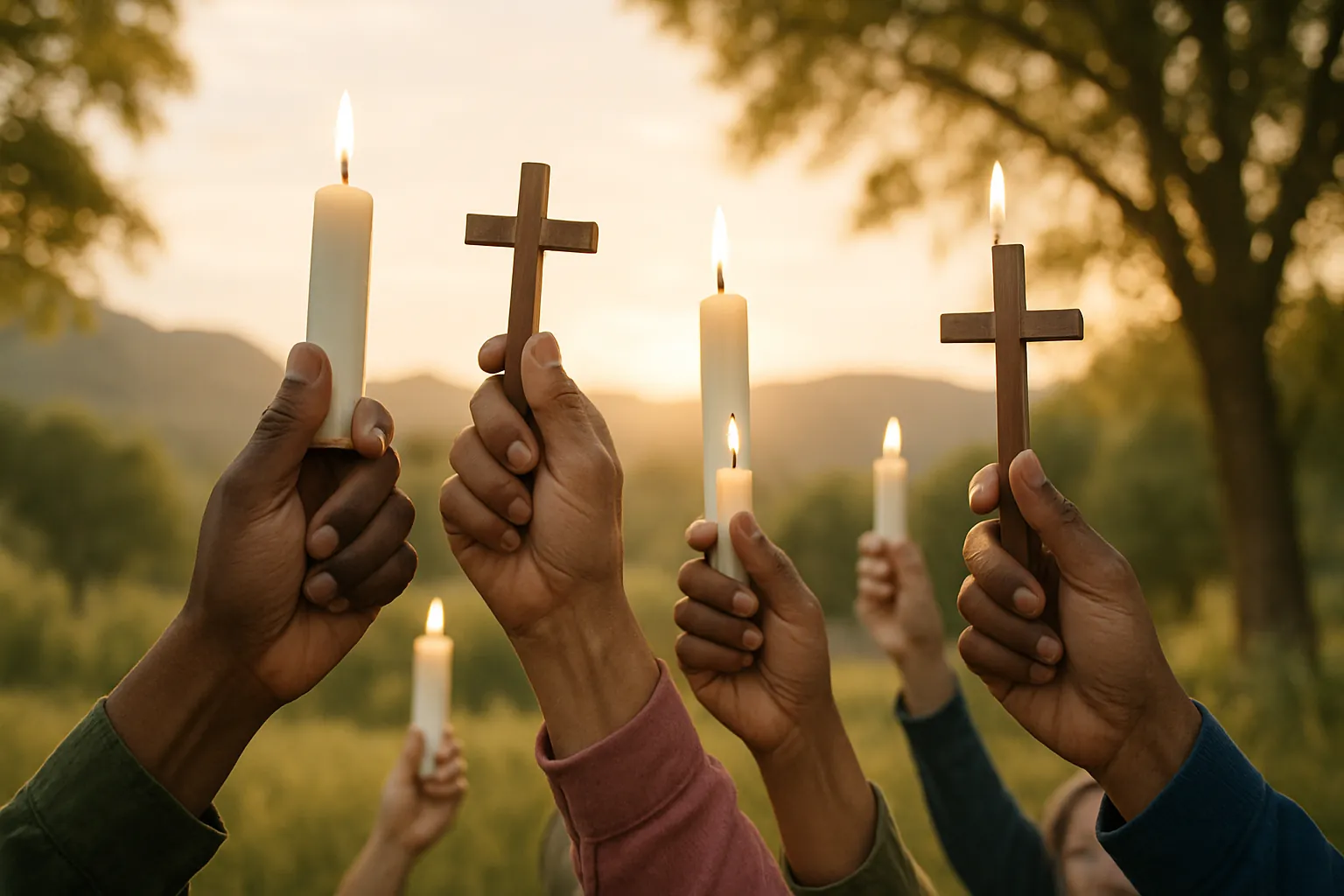
Rethinking Sacred Stories: From Exodus to Modern Asylum Seekers
Imagine a world where the stories we hear in church every Sunday—of Moses fleeing Egypt, Elijah escaping persecution, David running from Saul—aren’t just ancient legends for spiritual edification, but radical tales of migration, resistance, and the search for a home. As National Migration Week unfolds across the United States, the Catholic Church and many interfaith partners are reminding communities that migration isn’t only a political issue—it’s deeply intertwined with our moral and spiritual narratives.
The historical resonance of biblical figures as political refugees is not a stretch of theological fancy but a compelling reinterpretation that brings ancient voices to bear on contemporary crises. Miguel A. De La Torre’s work, as highlighted in recent scholarly discourse, advocates for reading the Bible through the eyes of the marginalized—using narrative arcs, not just linguistic or archaeological data, to bring Moses, Elijah, and David into our present. Each figure carried trauma from forced exile—genocide, dictatorship, rebellion—that mirrors what too many migrants experience today, whether at the southern U.S. border, on Mediterranean ships, or in the aftermath of civil conflict worldwide.
For progressive faith communities, this is an invitation to step beyond rote sympathy and recognize that scriptural calls to welcome the stranger are not passive; they are prophetic. As De La Torre and others insist, these stories provide a “theological bridge” for churches and communities to actively engage with today’s asylum seekers, pushing believers to address both immediate humanitarian needs and the tangled policies that drive migration.
Sanctuary or Systemic Privilege? The Double-Edged Sword of Religious Immigration Law
Scratch beneath the surface of America’s immigration system and a complex hierarchy emerges—one in which religious affiliation becomes a ticket to expedited entry, especially for those able to access R-1 religious worker visas or the I-360 green card pathway. Religious privilege in U.S. immigration law, established with the R-1 program in 1991, allows faith-based groups—notably Christian denominations—to offer pathways for workers that are staggeringly easier compared to the gauntlet faced by secular applicants.
Take the common H-1B visa—the gold standard for corporate and STEM talent—which requires months of documentation, corporate postings, oversight from the Department of Labor, and only a narrow window for application annually. Religious worker visas, by contrast, rely primarily on proof of the sponsoring group’s IRS-determined religious status and a letter of denominational affiliation. The process, as described in the pages of The Humanist, falls miles short of the grueling standards imposed on those seeking entry for non-religious vocations.
“If we can summon bureaucratic creativity and political will for the benefit of faith-based migrants, why not for those fleeing violence, poverty, and persecution for purely secular reasons? Is the promise on the Statue of Liberty reserved only for the pious?”
Progressive legal scholars, such as Nancy Morawetz at NYU School of Law, argue this “religious carveout” weakens the integrity of America’s immigration promise, creating a system where religious identity grants not just community but privilege. It also exposes a longstanding American tradition: bending the separation of church and state when it serves political or economic aims. Those who benefit most often seem to align with the nation’s traditional (read: Christian) religious consensus, casting doubt on equal access for other faiths and, pointedly, for secular migrants.
This preference undermines not only the values of diversity and fairness but erodes public trust. The inevitable question becomes: Is faith a service to society if it cements structural inequity? Harvard’s Professor Roberto Suro contends that while faith-based workers do valuable things—from serving parishes to supporting new immigrants—the laws themselves are in serious need of reform. Advocates urge for parity between secular and religious applicants, emphasizing that America, at its best, affirms the dignity of migrants because they are human, not because they happen to preach or pray.
The Church at the Barricades: Hope, Community, and a Call for Action
The abstract debates over visas and biblical exegesis materialize in deeply human ways among those who dedicate their lives to migrants. In Australia, Protais Muhirwa, an outspoken Catholic and the founder of Armia, has spent a decade helping refugees and those with disabilities find support and meaning. For Muhirwa, the problem of migration isn’t just about paperwork or politics—it’s about confronting the epidemic of isolation and loneliness.
Australia’s loneliness crisis, documented in a 2023 report showing one in three citizens feel isolated, finds sharp expression among newcomers. Muhirwa recounts daily struggles: “I have seen that loneliness and isolation are recurring themes, and the challenge is both spiritual and practical.” Community, he believes, is built not just on shared faith but on genuine relationships, advocacy, and the willingness to “forget ourselves to help others.” Yet, the financial and bureaucratic pressures on those doing this work are mounting; non-profits face funding crunches, growing caseloads of mental health needs, and an often indifferent public.
In Texas, the interfaith prayer service that wound through downtown Austin this week echoed a similar sentiment: that advocacy must step out from the pews and into the streets. Congregations from varied traditions joined voices, signaling that prayer and protest are not opposites but allies in the struggle for migrant justice.
Pope Francis’s theme for this year’s World Day of Migrants and Refugees—”Migrants, missionaries of hope”—serves as both a rallying cry and an indictment. The U.S. bishops’ persistent emphasis on a “more humane system of immigration” is more than pulpits and pronouncements. Taken seriously, it challenges us to interrogate policies that divide families, criminalize desperation, or favor the religiously-credentialed over those simply searching for safety and belonging.
A closer look reveals a bright thread of resistance, woven by communities that refuse to stand idle while migrants and refugees are dehumanized. Whether through grassroots organizations, prayer marches, or reinterpretation of sacred texts, such action offers a vision of solidarity grounded in the radical heart of the world’s great faith traditions—a vision Americans would do well to remember as immigration once again takes center stage in policy and politics.
