
Safe Zones or Death Traps? The Gaza Crisis Unmasked
Try to imagine fleeing a city destroyed by months of unrelenting airstrikes, under orders from an occupying military to seek safety elsewhere—only to find that the so-called “safe zones” mapped out for your protection are anything but. This is the reality facing hundreds of thousands of Palestinians now huddling in southern Gaza, forced into a grim masquerade of safety that, as United Nations officials now emphasize, is fatally misleading.
Since the Israeli military’s assault on Gaza City ramped up in August, Palestinians have been instructed to move to Israeli-designated “humanitarian areas” like Al-Mawasi, reassured that here, aid, medical care, and security await. Humanitarian organizations on the ground, led by the UN and UNICEF, have condemned these government narratives as not only hollow, but dangerous to life itself. James Elder, spokesperson for UNICEF, minced no words this week: “These are not safe zones, they are death zones.” He points to Al-Mawasi—a once bucolic coastal strip, now grotesquely overcrowded, and the target of repeated Israeli strikes despite its designation as a supposed sanctuary.
What does it mean when an international body like the UN openly rebukes the promises of a nation’s military policy? For Gaza’s beleaguered civilians, it means layers of betrayal: not just by their circumstance, but by a system that claims to offer safety while failing to deliver even the most basic essentials for survival. This critique isn’t merely rhetorical. A closer look at the aftermath reveals a staggering fact: almost half of all deaths in the current phase have occurred in the very zones people were ordered to flee to for safety. According to numbers cited by Palestinian officials and multiple humanitarian agencies, the true death toll could be vastly undercounted—estimates suggest it might reach as high as 200,000, far beyond the widely reported 67,000 figure.
Humanitarian Promises Versus Catastrophic Reality
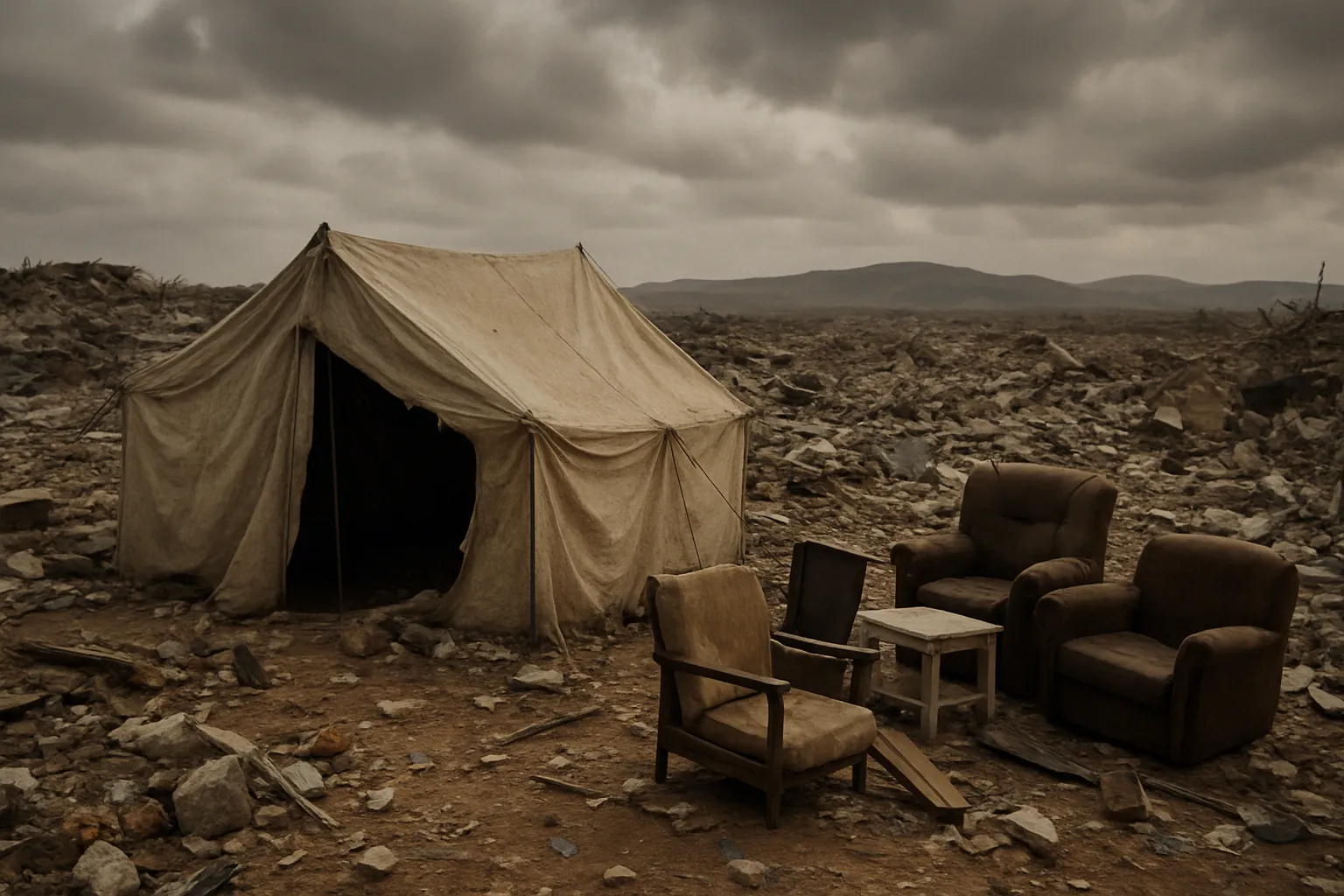
Step inside one of these camps in southern Gaza and the chasm between rhetoric and reality is undeniable. UN teams report crumbled schools once repurposed as shelters, tents incinerated in late-night bombings, and throngs of children traumatized by displacement and hunger. The so-called safe zones, designed to appear as lifelines on military maps, instead have become epicenters of relentless suffering. International law obligates Israel, as the occupying power, not only to keep civilians out of harm’s way but to provide essentials: food, water, sanitation, medical care.
The truth, as spelled out by UNICEF and echoed by the United Nations Office for the Coordination of Humanitarian Affairs, is that aid shipments are a trickle in comparison to the desperate need. The Israeli blockade still chokes the supply of food, clean water, fuel, and medical supplies. According to a Pew Research Center study released in May, over 80 percent of Gazans now experience acute food insecurity—a direct result of movement restrictions and bombing-induced destruction.
“To call these ‘safe zones’ is a farce. The only guarantee is more fear, more loss, and more shattered lives.” — James Elder, UNICEF
Israeli officials insist their aim is to minimize civilian casualties by declaring these zones and conducting evacuations. But as Harvard law professor and human rights expert Sarah Leah Whitson recently argued on NPR, creating corridors of supposed safety does not absolve the occupying force of its responsibility under international law—especially as those corridors become consistent targets. UN agencies began debunking the Israeli concept of unilaterally established safe zones as early as late 2023, clarifying that without practical guarantees of protection and provision, such designations serve more to deflect scrutiny than to shelter innocents.
What happens to the promise of international norms if powerful nations are permitted to define security zones by decree, then fail to uphold basic protections inside them? The echoes of Srebrenica, and the tragic failures of international peacekeeping there, are impossible to ignore. The world must question whether Gaza is sliding toward a similar historical infamy—one forged not by accident, but by the deliberate denial of humanitarian access and medical neutrality.
The Cost of Political Theater: Why “Safe Zones” Fail
Political maneuvering at the expense of life and dignity—that’s the verdict from a growing number of Western diplomats and humanitarian advocates observing Gaza. When rhetoric around “safe zones” is wielded as a public relations tool, the policy’s tragic limitations become clear. Palestinians who have obeyed evacuation orders—often under duress, with nowhere else to go—find themselves corralled into shrinking pockets of land, denied adequate aid, and exposed to continuous violence. Multiple reports from Human Rights Watch and Médecins Sans Frontières detail cases where declared safe zones were struck by artillery or airpower within days, even hours, of their designation.
Has the international community failed to deliver on its responsibility, or is it simply paralyzed by geopolitics and entrenched alliances? Both, argue seasoned observers like Jan Egeland, Secretary General of the Norwegian Refugee Council, who blames both the persistent Israeli blockade and the lack of robust international intervention. He told The Guardian last month, “If we continue accepting the illusion of safe passages while doing nothing to enforce them, we become complicit in a system that regards civilian suffering as collateral, not catastrophe.” Indeed, the UN’s repeated condemnation of Israeli policy on Gaza’s evacuation zones is a call not only to Israel but to every government enabling the ongoing blockade and military campaign.
Beyond that, the story unfolding in Gaza is one of families shattered, generations traumatized, and children growing up surrounded by rubble, invisible borders, and ever-present dread. These are not statistics—they are lives, with names and futures, repeatedly gambled away by political actors unwilling to recognize that the only real safeguard is an end to violence and a restoration of dignity and rights for all people.
So, when you hear talk of “humanitarian safe zones” in Gaza, ask yourself: Are these truly places of sanctuary, or just another layer in a brutal, bureaucratic tragedy? Progressive values demand we push for transparency, honesty, and international accountability—not empty gestures that hide catastrophe in plain sight.
