
Navigating Diplomatic Crossroads
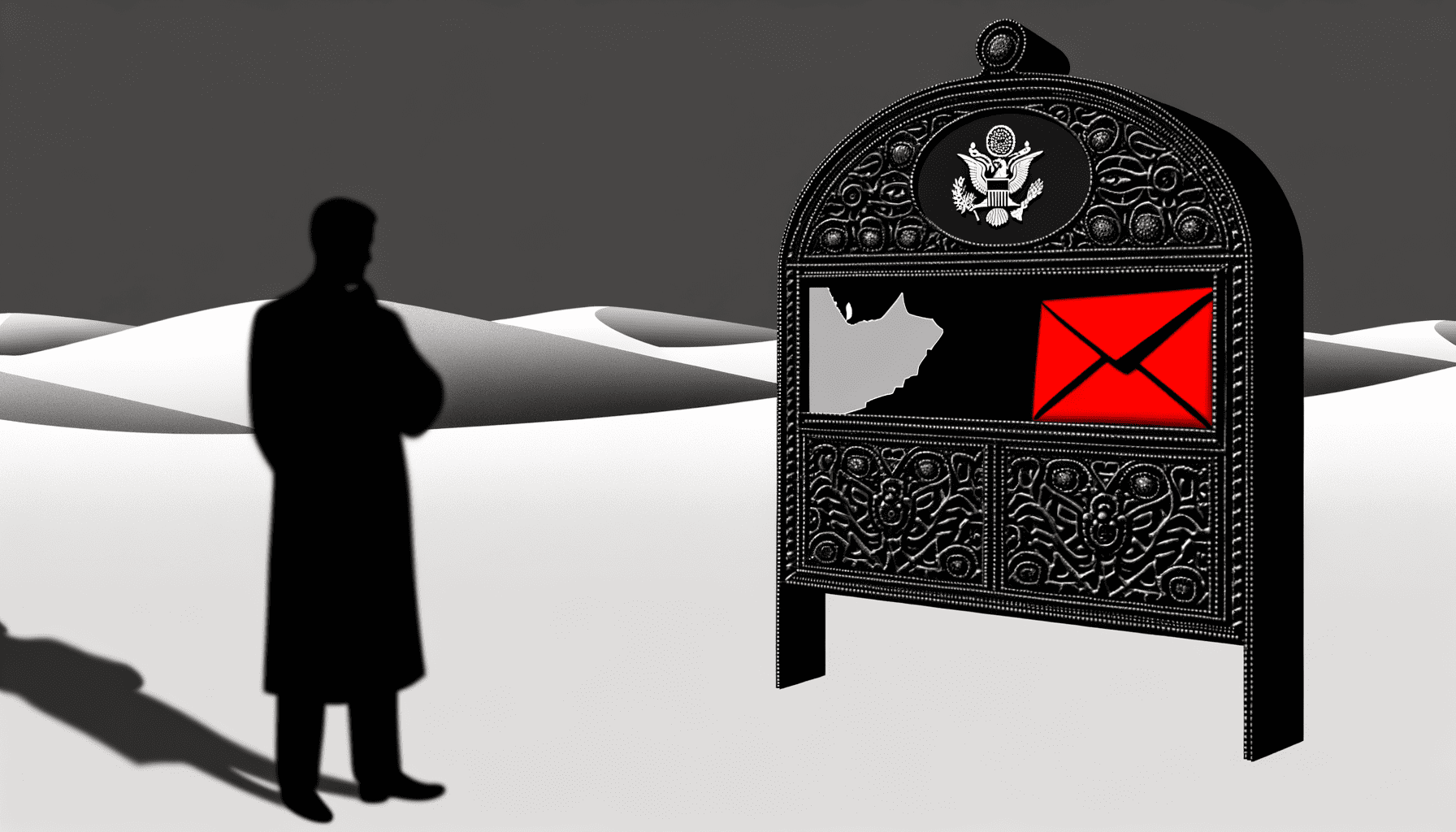
Though seemingly trivial, a piece of correspondence can embody significant diplomatic weight. Such is the case with the letter sent by former U.S. President Donald Trump to Iran through an Emirati intermediary, which touches upon potential nuclear negotiations. The content, while consistent with Trump’s previous declarations, has elicited a varied response in Iran—a land steeped in historical complexities and geopolitical challenges.
On one hand, Trump’s outreach appears to offer an olive branch in an era marked by simmering tensions. On the other, it is seen by Iranian Supreme Leader Ayatollah Khamenei as a “deception,” with underlying motives aimed at persuading Tehran to embrace a facade of diplomacy that masks coercion. This response echoes the deep-rooted skepticism that has historically characterized U.S.-Iran relations.
Such caution is not unwarranted. For decades, diplomatic engagements with the West have been fraught with difficulties, misunderstandings, and misaligned intentions. The narrative painted by Iranian officials centers on a steadfast commitment to sovereignty and a refusal to engage under duress—a sentiment captured vividly in President Masoud Pezeshkian’s admonition that Iran “will not negotiate with the United States under threats or coercion.”
The Role of Regional States as Intermediaries
The strategic involvement of the United Arab Emirates in delivering Trump’s letter underscores the nuanced interplay of regional actors in broader geopolitical disputes. By entrusting this message to Anwar Gargash, the UAE’s diplomatic advisor, the U.S. accentuates a quietly evolving regional dynamic—one where smaller Gulf nations play pivotal roles as intermediaries.
In many respects, these nations find themselves walking a precarious path, balancing relations with Western allies while being receptive to their historically fraught neighbor, Iran. It’s a delicate dance of diplomacy where the stakes are high, and the rewards for fostering peace and stability are even higher.
Reflecting on this intermediary role, history reminds us of the complexities that occur when third-party nations intervene. For America, reminiscent of Cold War tactics, utilizing regional allies is part of an ongoing strategic calculation aimed at mitigating direct confrontational risks. These states become crucial conduits, often providing a buffer against the missteps of global powerhouses like the U.S.
Media Speculation and Political Repercussions
The politically fraught atmosphere is further complicated by intense media speculation regarding the letter’s contents. Iran’s Foreign Ministry Spokesperson, Ismail Baghaei, clarified that decisions about the letter’s public release are undecided. There isn’t an immediate plan to unveil the details, maintaining that they align with existing public statements.
As this narrative unfolds in the public domain, it puts pressure on Iranian leadership, compelling them to tread cautiously. They grapple with how media portrayal can potentially shift global perceptions and influence domestic discourse. The realities of international politics demand not just the crafting of responses, but also the strategic management of public opinion, both at home and abroad.
Regional visits and diplomatic exchanges, Baghaei clarified, were unrelated to Trump’s letter yet have been broadly linked in external narratives. This embellishment of reality highlights the common disconnect between diplomatic intentions and media interpretations, where every visit and meeting can be misread or oversimplified to fit an appealing headline.
A key aspect of diplomacy is acknowledging that while leaders govern international relations, it is often intermediaries and circumstances that shape them.
Iran’s Calculated Responses
Iran’s measured approach in responding to Trump’s overtures is emblematic of a broader principle that has underscored its foreign policy for decades—a refusal to capitulate under pressure. This principle is rooted deeply in the consciousness of Iranian leadership, especially amid a globally shifting balance of power post-Cold War.
The Islamic Republic’s posture concerning nuclear ambitions remains a critical axis around which global diplomacy turns. As Khamenei denounces the letter as deceptive, Iranian officials must decide if there’s room for reconciliation through diplomatic means. Can a renewed understanding with the West be negotiated without compromising the deeply-held Iranian ethos?
A painstaking review of all communications and their international ramifications is essential for Iran. This necessitates looking beyond mere words to understand the transformational implications of such diplomatic engagements. As a nation acutely aware of its geopolitical significance, Iran knows the global implication of a misstep here extends far beyond its borders.
In conclusion, the deliberation over Trump’s letter reflects a complex web of international relationships and domestic perceptions. It is a reminder that real diplomacy involves far more than policymaker exchanges; it is about context, history, and societal values. Through the careful examination of motives and outcomes, Iran continues to navigate an intricate global dance, one that insists on balancing sovereignty with necessary engagement, amid skepticism and intrigue.
Iran’s subsequent decision will not only speak to its strategic foresight but will also inform the world about its evolving stance in a tumultuous geopolitical landscape, raising questions about how diplomacy will progress in the modern age.
