
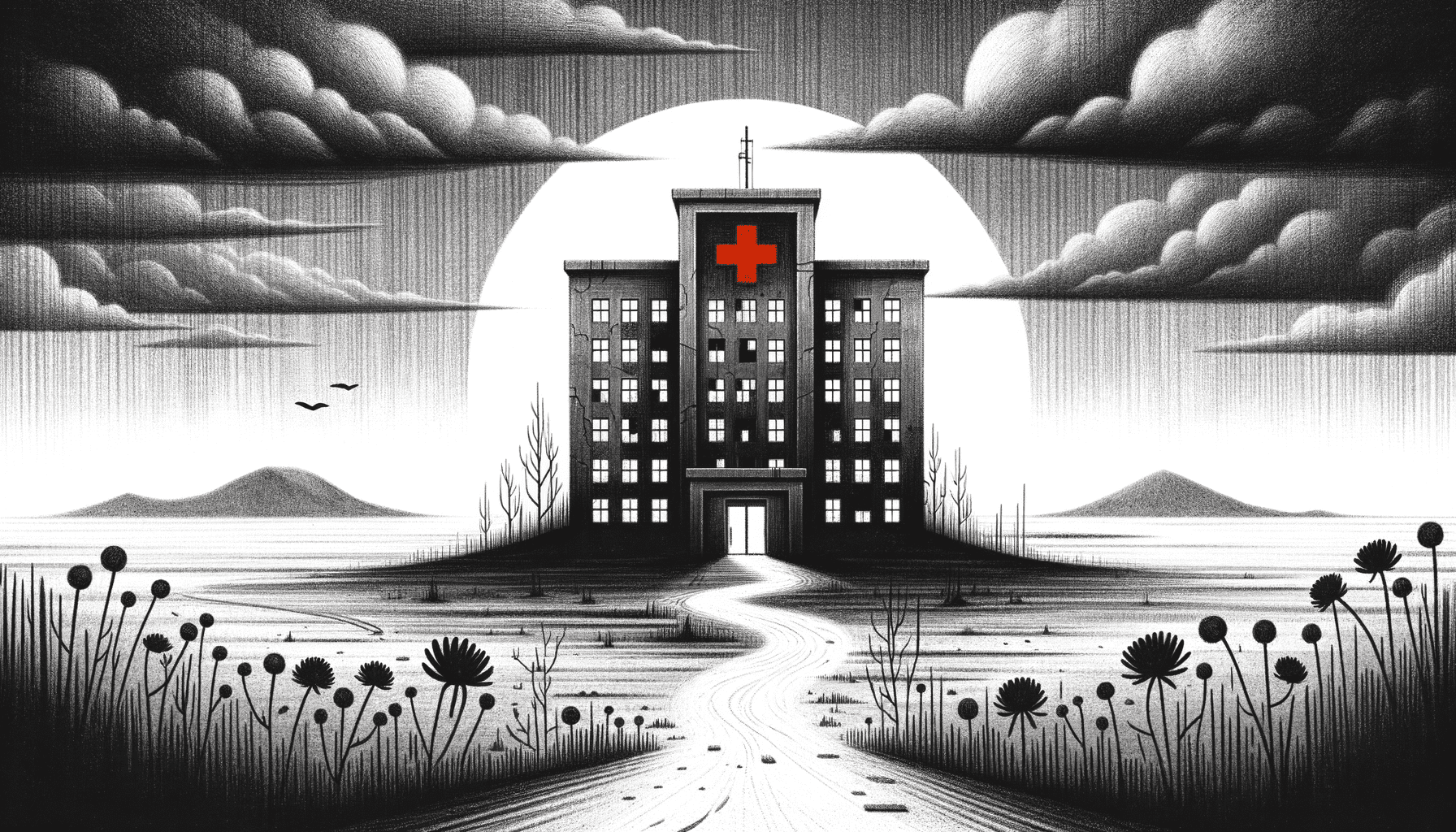
The desperate plight facing millions in Afghanistan’s struggling healthcare system underscores a broader humanitarian crisis, exacerbated in significant part by dramatic shifts in international aid. Recently, the World Health Organization (WHO) sounded a dire alarm: by June 2025, 80 percent of WHO-supported health services in Afghanistan risk shutting down, posing an unimaginable hardship on millions already living under daunting conditions.
This grim outlook follows the closure of 167 health facilities, which has left approximately 1.6 million people without essential medical care. With 220 more facilities projected to shut down imminently without intervention, an additional 1.8 million Afghans stand to lose access to basic healthcare services. The situation is already dire in northern, western, and northeastern Afghanistan, regions particularly hard-hit, where over a third of health care centers have ceased operations.
Funding Shortfalls Trigger Humanitarian Disaster
The heart of this healthcare crisis lies starkly exposed by a drastic reduction of financial support, largely attributable to significant cuts in US aid. The WHO has directly correlated these funding shortages with the shifting priorities in global aid distribution, underscoring a distressing trend. Internationally-funded programs that once fortified Afghanistan’s fragile healthcare infrastructure are now collapsing due to insufficient resources.
Dr. Edwin Ceniza Salvador, WHO’s representative and head of mission in Afghanistan, highlighted the devastating impact of the crisis with stark clarity: “This is not just about funding. It is a humanitarian emergency that threatens to undo years of progress in strengthening Afghanistan’s health system.” The rollback of international aid jeopardizes decades of incremental progress, and the global community faces a moral imperative to respond swiftly to prevent further degradation of healthcare access.
“This is not just about funding. It is a humanitarian emergency that threatens to undo years of progress in strengthening Afghanistan’s health system.” – Dr. Edwin Ceniza Salvador, WHO
Escalating Health Emergencies Amplify Urgency
Compounding the funding crisis are numerous concurrent health emergencies. Afghanistan is currently grappling with severe outbreaks of preventable and treatable diseases such as measles, dengue, malaria, polio, and Crimean-Congo hemorrhagic fever. These outbreaks have been exacerbated by declining vaccination rates, with alarming data revealing that only 51 percent of Afghan children have received the first dose of the measles vaccine.
The risk extends beyond Afghanistan’s borders. Funding cuts, particularly from the United States, previously underpinning the global measles surveillance network, pose broader challenges. The network, essential for accurate monitoring and swift responses to outbreaks, now faces uncertainty and operational risks. As global connectivity magnifies the threat of epidemics, sustaining these essential health monitoring systems is crucial, highlighting the interconnectedness and collective responsibility of global health initiatives.
Taliban Restrictions and International Inaction
The situation on the ground in Afghanistan is further complicated by stringent Taliban policies, many targeting women and girls, which critically undermine public health initiatives. Limitations imposed on female healthcare workers and patients alike have severely disrupted essential health services, particularly maternal and child healthcare. Taliban authorities have also contested WHO’s published figures on measles cases and fatalities, indicative of broader disagreements complicating humanitarian operations and effective health interventions.
Moreover, the impact of dwindling humanitarian aid reverberates across multiple organizations. Save the Children, a critical player providing healthcare services, recently disclosed the closure of 18 health facilities due to these pervasive funding shortfalls. This reduction illustrates how widespread and systemic the effects of the funding crisis are becoming, foretelling a broader humanitarian catastrophe if immediate action isn’t taken.
The international response thus far has been inadequate, raising critical questions about the global commitment and strategy toward Afghanistan. Nations bear collective responsibility to uphold humanitarian values, transcending political differences, to alleviate the dire circumstances faced by ordinary Afghans. Without a robust pledge of renewed international collaboration, Afghanistan risks losing hard-fought gains in public health, pushing millions into severe, preventable distress.
Inaction or insufficient aid efforts today will undoubtedly have grim ramifications, not only for Afghanistan but for global health dynamics. It is a powerful reminder of our moral obligation to humane healthcare provision, a duty transcending borders and political agendas. The international community faces a stark choice—extend immediate, meaningful support to Afghanistan’s healthcare system or shoulder responsibility for an escalating humanitarian disaster.
