
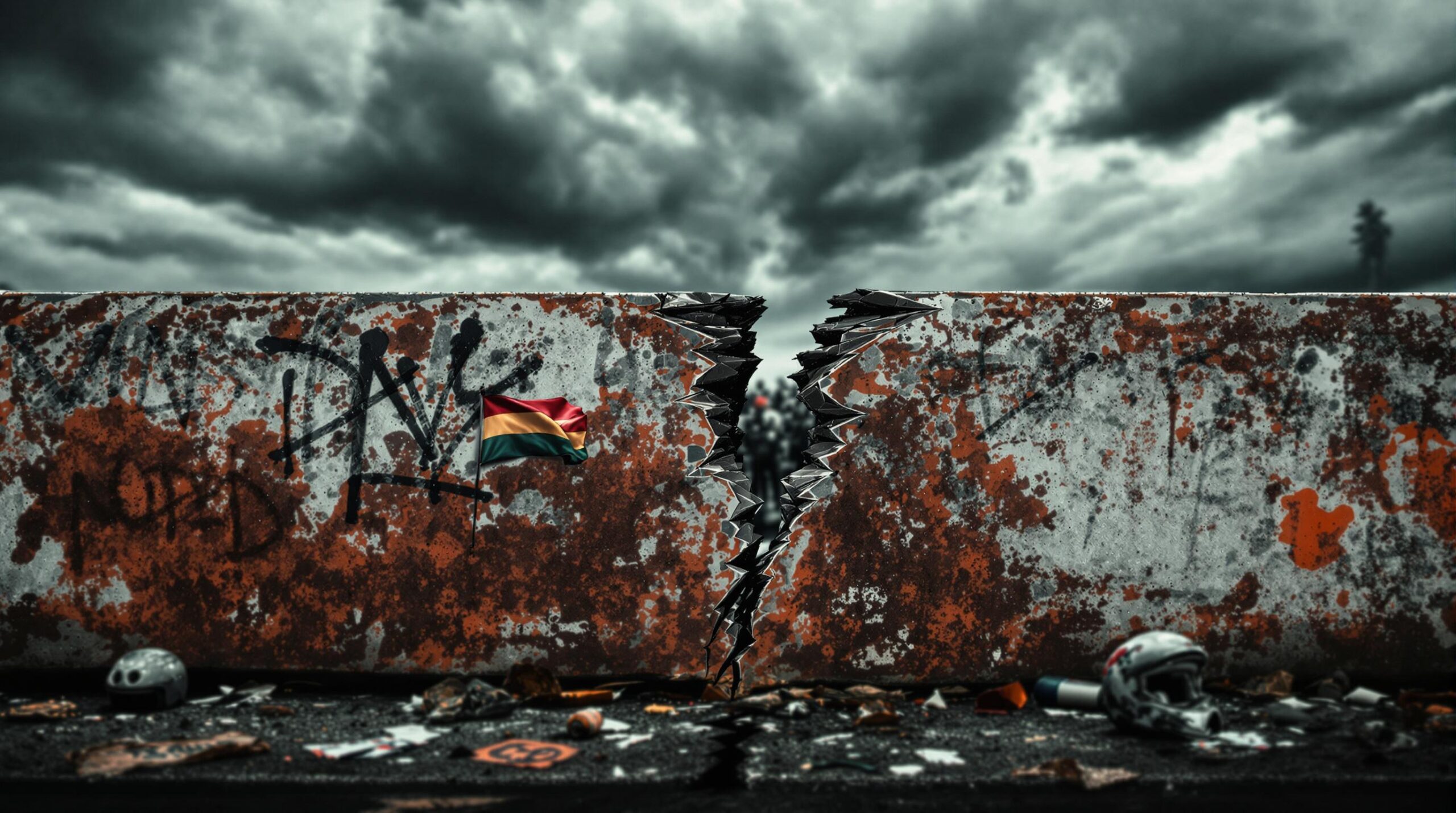
A Volatile Situation Unfolds in Israel
In recent days, the U.S. Embassy in Israel issued a strategically critical warning for American citizens, urging vigilance as political unrest and regional military tensions escalate abruptly. The cautionary message followed the unsettling events of rocket and drone attacks directed toward Israeli territory, notably from Hezbollah factions in Lebanon and Houthi groups in Yemen, raising serious concerns about a broader regional conflict. Such security incidents, according to the embassy, can occur suddenly and without any prior warning, making it imperative for Americans in Israel to remain cautiously alert and prepared at all times.
The escalation was punctuated by chilling reports from the border town of Metula, where six missiles were launched from Lebanon into Israel. Israeli forces swift and fierce retaliation through airstrikes targeted Hezbollah operations, reported resulting in at least four casualties according to Lebanese media sources—adding another layer of complexity to an already deeply troubled region.
Political Unrest Fuels Domestic Discord
Meanwhile, the internal political landscape within Israel has grown increasingly hostile and fragmented. Much of the tension has centered around Prime Minister Benjamin Netanyahu’s controversial attempts to remove key public officials, most notably Ronen Bar, the director of the Shin Bet domestic intelligence agency. Public and political outrage against Netanyahu’s handling of the Gaza conflict and his apparent disregard for democratic norms have ignited massive and sustained protests that ripple across the country.
These demonstrations transcend mere political disagreements. As citizens confront not just Netanyahu’s governance but also a broader discomfort regarding the erosion of democratic safeguards, it’s clear this is a critical moment for Israel. In protesting Netanyahu’s attempts to remove Shin Bet’s chief, Israelis are confronting fundamental questions about democracy, accountability, and justice.
Regional Narratives and Complex Loyalties
The latest series of military confrontations have added considerable strain to Israel’s already delicate geopolitical situation. Hezbollah, traditionally seen as an Iranian proxy, publicly denied involvement in the missile strikes. Ali Ammar, a member of the Lebanese parliament representing Hezbollah, underscored the complicated narrative by strongly asserting Hezbollah’s non-involvement in the attack, signaling internal tensions and delicate political maneuvering characteristic of the region.
Understanding the realities of such a nuanced situation remains a challenging task for diplomats and policymakers alike. With multiple factions declaring conflicting statements and frequently changing narratives, finding pathways toward meaningful dialogue, de-escalation, and, ultimately, peace has become painstakingly intricate and complex.
“Israelis are confronting fundamental questions around democracy, accountability, and the erosion of democratic safeguards—which makes this conflict more than mere politics.”
U.S. Diplomatic Response and Caution
The response from U.S. diplomatic missions underscores a thoughtful, albeit cautious, focus on safeguarding American citizens while maintaining open, albeit fragile, diplomatic channels with all involved sides. The embassy warning emphasized the unpredictability of such security threats, proactively advising Americans to avoid large gatherings—notably protests—and be prepared to access shelters rapidly should the need arise.
This growing instability points towards broader questions about the extent and limitations of American foreign policy influence in the region. Historically, the United States has played a tricky balancing act between supporting Israel as a strategic ally and pressing for democratic accountability. The ongoing conflict, complicated further by these internal protests and external military confrontations, asks profound questions about the future direction of diplomatic engagements in the region.
The Biden administration’s careful yet firm messaging suggests a nuanced approach, aiming to maintain stability without abandoning core pursuits of democratic principles and collective security. The situation also tests the broader philosophy of liberal foreign policy—one that seeks dialogue over deterrence and promotes proactive trust-building over reactive defense.
Looking Forward: The Crossroads of Conflict and Peace
As tensions simmer and alerts remain high, one thing seems clear: Israel finds itself at a critical crossroads. The combination of internal political dissent and escalating security threats imposes profound choices about governance, diplomatic approaches, and the nature of international alliances.
Liberal voices advocating for justice, accountability, and peace must carefully reassess the implications of ongoing U.S. support to Israel while pushing for constructive forums for dialogue and reconciliation. Encouraging open debate, promoting inclusive policy-making processes, and safeguarding democratic freedoms must remain foundational, even amid immediate security concerns.
It is a delicate and grim juncture, undoubtedly, but history consistently underlines that yielding to fear or authoritarian maneuverings ultimately weakens rather than strengthens democratic societies. This moment then becomes an opportunity, not merely a crisis. It affords Israel—and, indeed, all global actors—a chance to recommit to fundamental democratic ideals and reembrace diplomacy’s nuanced power as the most viable pathway to a sustainable resolution.
The U.S. warning in Israel does more than guide citizens; it reminds international actors of the interconnected nature of security, democratic accountability, and regional stability. Navigating this turbulent geopolitical landscape will require deeper reflections and courageous decisions committed to peace, democracy, and justice.
