
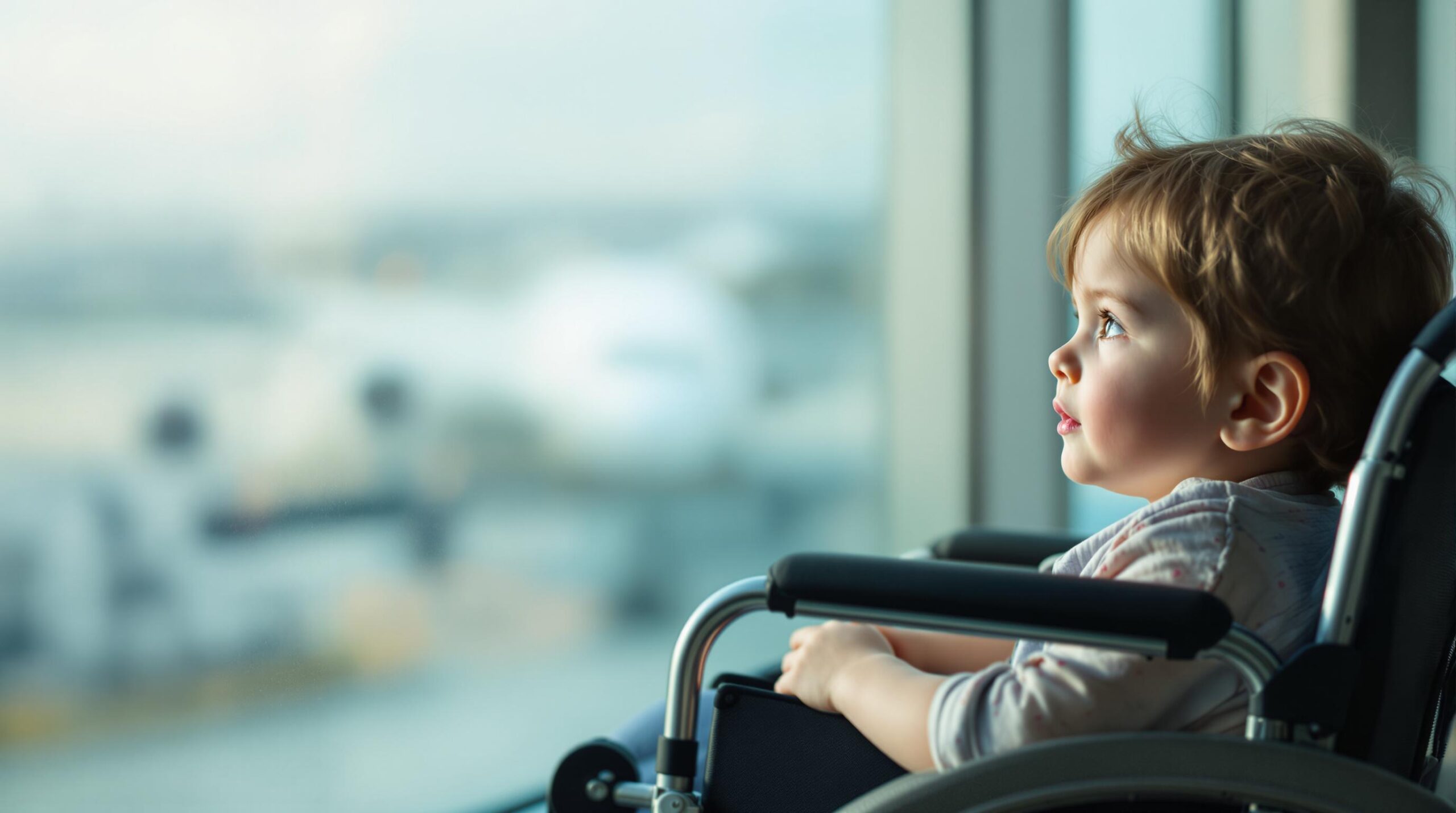
Melissa Sotomayor faced every parent’s nightmare on a recent United Airlines flight from Tampa to Newark. Her son—a two-year-old dependent on a tracheostomy and portable ventilator to breathe—became the heart of a hostile confrontation with airline crew members. Sotomayor had done her due diligence, preparing extensive documentation about her son’s medical condition and the necessity of his ventilator. Yet, despite these precautions, her experience quickly spiraled into a distressing encounter that chillingly embodies how insensitivity and bureaucracy can collide with urgent human needs.
A Life-Saving Ventilator at Heart of Controversial Incident
The incident first captured national attention through Sotomayor’s viral TikTok video, a raw and emotive recounting viewed by over a million users. United Airlines flight staff forced Sotomayor into what she describes as a humiliating position: remove her son’s ventilator, equipment unquestionably crucial for sustaining his life. This was not a mild inconvenience or a misunderstanding; this ventilator is essential, as Sotomayor pointedly emphasized, “They are keeping him alive.”
The aircrew’s ignorance about the device’s necessity is alarming enough, but their chilling reassurance—”He’ll be okay until we’re in the air at a high enough altitude”—has rightfully shocked many. Such disregard for medically fragile passengers not only undermines confidence in United Airlines but also glaringly spotlights broader systemic issues: inadequate training for airline personnel regarding passengers who rely on medical equipment.
The Emotional Toll of Systematic Neglect
This wasn’t merely a disagreement about federal regulations—it was an emotional ordeal. Sotomayor described feeling “humiliated in front of others,” revealing a deeper wound invisible to most observers. Parents of disabled children navigate an endless maze of healthcare logistics daily; the least we can expect from major airlines is understanding and respect.
Sotomayor’s confrontation with the crew was not fleeting; it spanned an excruciating hour, a period during which other passengers expressed their displeasure with United Airlines’ handling of the situation, characterizing it as blatant harassment. Imagine the anxiety, fear, and shame that Sotomayor endured—publicly advocating for her son’s right to breathe, amidst flight staff determinedly following protocol that appeared woefully misapplied and misinformed.
“It’s not just a machine. It’s my son’s life.” – Melissa Sotomayor
Furthermore, Sotomayor’s distress didn’t end when she disembarked. Following the traumatic incident, she escalated her complaint to United Airlines’ corporate office. Their response was rote: citing federal aviation guidelines, they stood unwaveringly behind the actions of their staff. This response is deeply unsatisfactory, highlighting again that procedural adherence often misses the mark of compassionate humanity and common sense.
A Viral Outcry Calls for Accountability and Action
Public reaction has been swift and clear. The story, shared broadly online, has elicited overwhelming empathy and, equally so, frustration from viewers who demand better from major companies entrusted with public service responsibilities. Calls for boycotts of United Airlines have resonated through social media, clearly demonstrating a collective moral stance against the airline’s handling of sensitive cases involving disabled passengers.
Advocacy groups and citizens alike are demanding change, a call for comprehensive training that allows flight crews to make informed decisions on medical equipment that is literally life-sustaining. Melissa Sotomayor’s shocking account should serve as a clarion call to airlines and regulators that urgent, robust improvements in passenger care protocols are needed. These changes aren’t mere formalities—they’re lifelines.
History provides ample warning. Previous airline mistreatment cases of passengers with significant disabilities have led to extensive media coverage and hefty fines or settlements, but they have rarely resulted in lasting systemic change. Now, however, thanks to the amplification power of social media, Sotomayor’s trauma not only sheds light on problematic practices but ignites demands for lasting reform.
United Airlines’ subsequent apology does not erase their initial negligence. Real accountability stretches beyond mere surface-level public relations damage control to encompass meaningful systemic change—improvements ensuring what Sotomayor faced becomes impossible for anyone else.
We must learn from this incident—not just acknowledging individual pain but transforming it into actionable insights and better policies that protect the most vulnerable. United Airlines, and indeed all carriers, must realize that compassion cannot be divorced from operation protocols. Melissa Sotomayor and her son deserve more than apologies—they deserve a meaningful change.
