
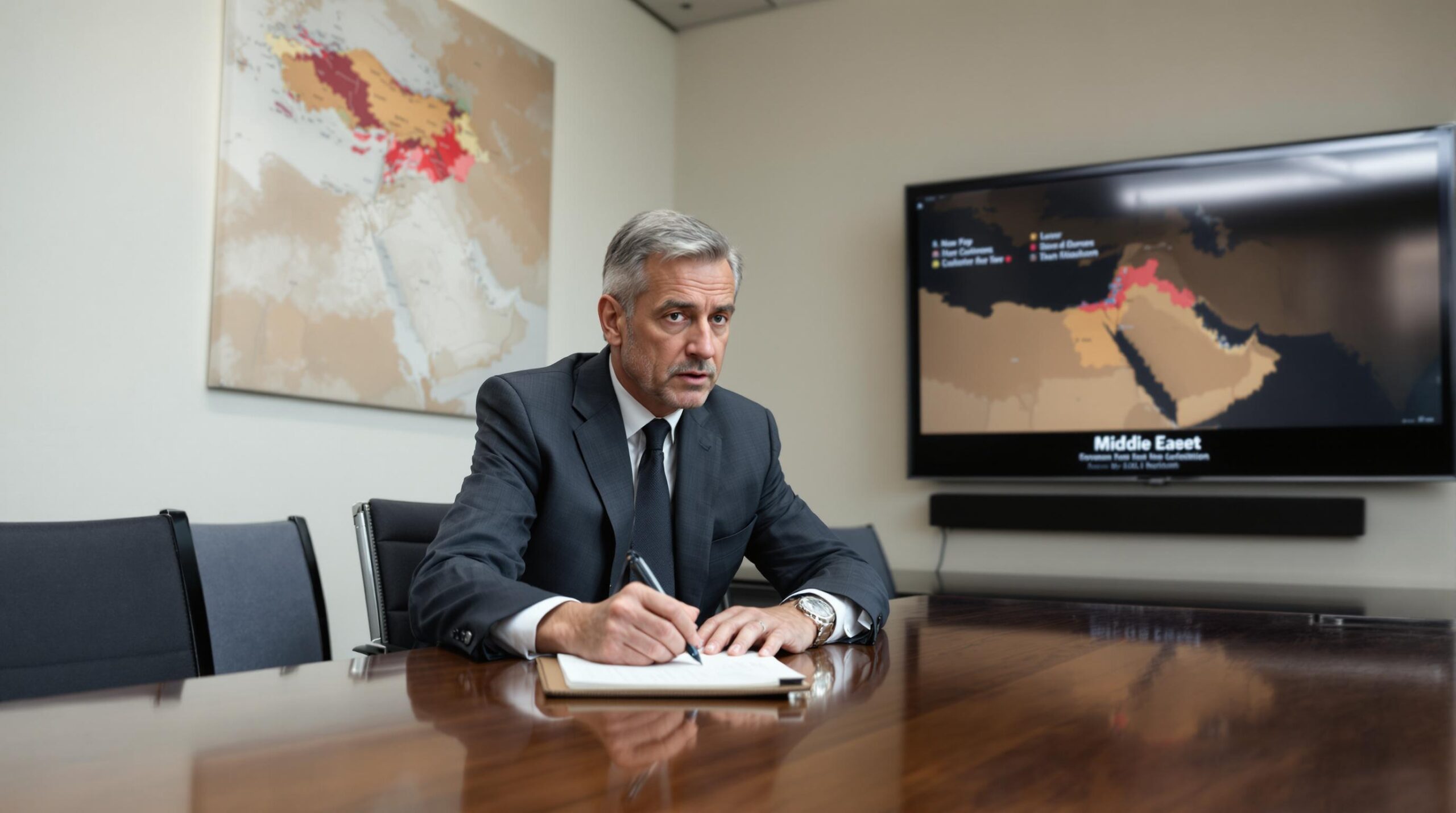
Israeli Prime Minister Benjamin Netanyahu and U.S. Secretary of State Marco Rubio recently held a strategic conversation addressing the multifaceted crisis in Gaza, notably centered on ongoing military operations and the release of hostages still held by Hamas. The exchange underscores the volatile geopolitical dynamics at play and highlights significant concerns regarding humanitarian and diplomatic implications in the region.
Negotiations and Hostage Crisis: A Complex Standoff
Escalating tensions continue to grip Gaza as negotiations to free hostages struggle to gain meaningful traction. U.S. Secretary of State Rubio has notably criticized Hamas’s negotiation terms, describing them as “outrageous and unacceptable” demands, reflecting deep frustrations shared by American officials concerning the militant group’s rigid and uncompromising stance. Rubio’s stark assessment laid bare the complexities entwined in delicate hostage situations, where humanitarian imperatives frequently collide with harsh geopolitical realities.
Indeed, the negotiation standoff is a microcosm of the broader impasse. According to Rubio, a total of 59 hostages remain in Hamas’s captivity, adding an emotional and human dimension to the geostrategic calculus. Rubio affirmed their urgent commitment, stating eloquently, “We care about all the hostages. We’re discussing real people, families suffering enormously.” This deeply humanizing rhetoric intensifies the moral urgency of resolving the crisis, challenging policymakers to balance decisive action against cautious diplomacy.
The impasse remains particularly troubling given the Biden administration envoy Steve Witkoff’s recent attempt to negotiate a ceasefire during the significant overlapping religious periods of Passover and Ramadan. The proposed pause included the release of hostages and repatriation of remains, yet Hamas rejected these terms, further escalating tensions and complicating Washington’s diplomatic maneuvers.
Military Campaign Intensifies Despite International Concern
This broader conflict is marked by intensified military operations, underscored symbolically by the recent Israeli campaign codenamed “Operation Strength and Sword.” The naming explicitly suggests a heightened state of military readiness and an aggressive approach toward neutralizing perceived threats from Hamas, implicating both direct action and symbolic messaging to all actors involved in the conflict.
The controversial airstrike at a Gaza hospital serves as a stark reminder of warfare’s human cost. The targeted strike killed five individuals, including a Hamas political leader, further thrusting into the spotlight the morally complicated calculus coastal enclave combat involves. The civilian casualties sustained in this high-profile strike have drawn sharp criticism from international humanitarian observers, who accuse the Netanyahu administration of insufficient caution and inadequate regard to international human rights standards.
“We care about all the hostages. We want them released… But we’re also talking about bodies — real people and immense human suffering.” — Marco Rubio
Indeed, these instances profoundly question conservative rationalizations of military interventions, compelling progressive voices to reconsider diplomatic pathways that protect human dignity even amidst war scenarios. Advocacy groups and concerned international actors argue that aggressive military responses rarely resolve deeper structural issues — instead, they often deepening animosities and generating dangerous cycles of prolonged conflict and retaliation.
Diplomatic Pathways and Future Stability
Beyond military maneuvers, the dialogue between Rubio and Netanyahu spotlights crucial diplomatic considerations aimed at regional stabilization. The two leaders exchanged views on potential strategies to mitigate conflict escalation, reflecting an underlying recognition that purely aggressive military stances may ultimately undermine broader Israeli and United States objectives in the Middle East.
Amid this diplomatic dialogue, Rubio emphasized the administration’s commitment to restoring regional navigation freedoms, particularly noting increased operations against Iranian-backed Houthis in the Red Sea. This strategic alignment indicates broader U.S. foreign policy efforts, encompassing maritime security and regional power balance adjustment, addressing longstanding complaints against Iranian aggression in strategic waterways critical to global trade.
However, within this complex geopolitical realm, the delicate balance of power grows more intricate, as each military action or diplomatic overture carries repercussions that resonate far beyond immediate locales. Progressive observers fear that an overreliance on force may sideline critical humanitarian concerns while simultaneously exacerbating regional tensions that peaceful diplomacy could potentially assuage.
Therefore, as the catastrophic potential of a resumed Gaza conflict lingers ominously, the international community calls for heightened diplomatic engagement that transcends immediate tactical gains. A focus on human dignity, collaborative diplomacy, and inclusive negotiations might offer viable pathways to peace, critically challenging current conservative-led military doctrines and advocating greater structural reform to prevent recurring violence.
The stakes are immensely high. Netanyahu and Rubio’s critical discussion not only embodies these geopolitical complexities but also underscores the powerful need for compassionate leadership that prioritizes diplomacy over division, dialogue over aggression, and understanding over unilateral dominance. Balancing national security concerns with humanitarian commitments remains the ultimate challenge for decision-makers; sadly, so far, responses lean toward escalation rather than resolution.
The future hinges on such conversations leading to tangible outcomes. Above all, the imperative is clear: utilize diplomacy to build frameworks within which human life and dignity are paramount, setting progressive precedents that inspire stability rather than perpetuating a cycle of endless conflict and human suffering.
