
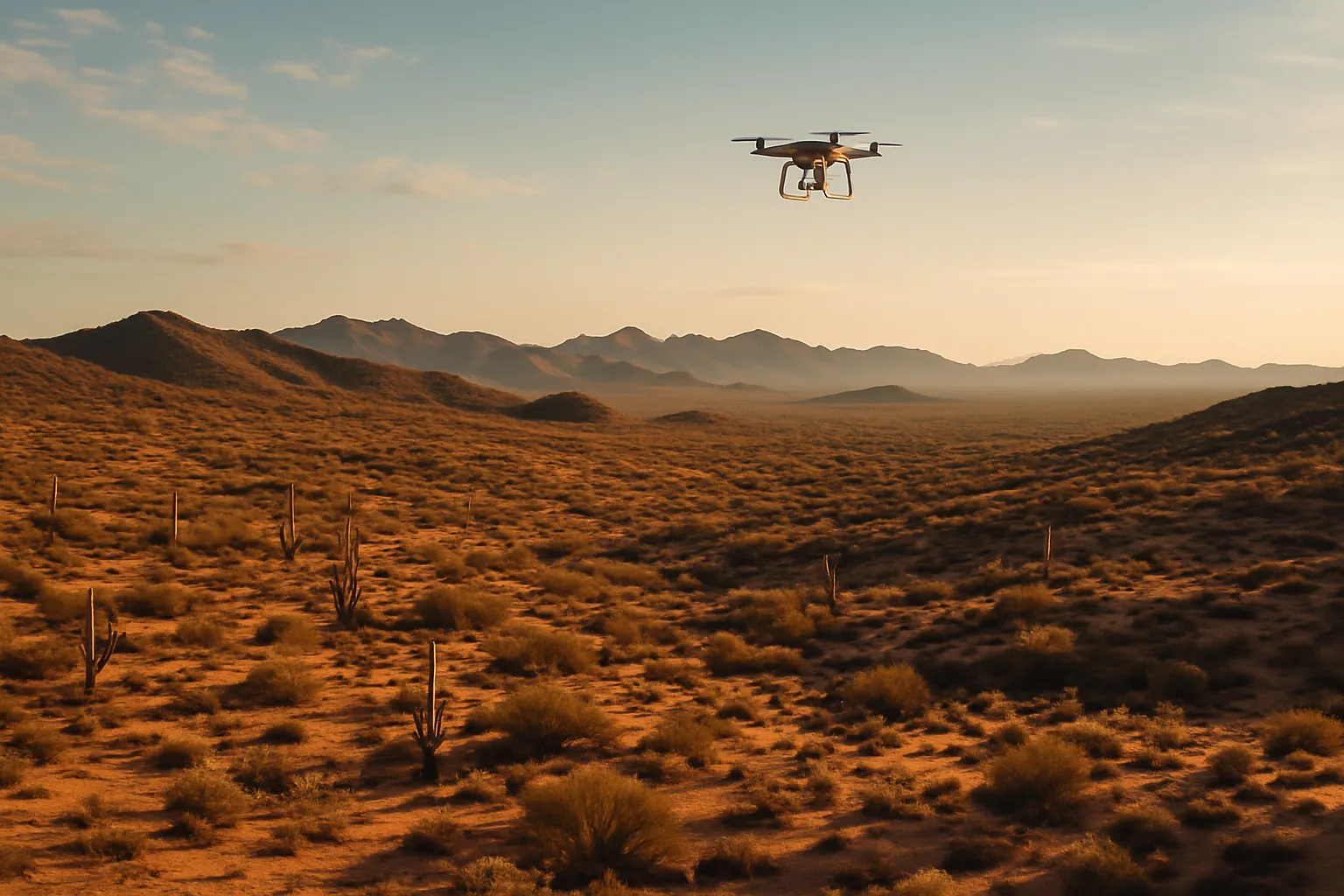
Drone Technology Takes Center Stage in U.S. Law Enforcement
One morning in February near Bernalillo, New Mexico, a crisis was unfolding. Two young brothers, both armed, were involved in a tense standoff with local deputies. Body cameras captured one brother pulling the trigger—mercifully, the gun misfired—but what defused the volatile situation was not brute force. It was real-time situational analysis provided by a hovering law enforcement drone that relayed critical information to officers below. The boys were secured without any loss of life, and the family now receives vital behavioral health support. Drone technology didn’t just prevent tragedy that day; it opened a new chapter in policing, blending modern surveillance with life-saving de-escalation tactics.
The story is emblematic of a larger shift across the nation. Departments from New Mexico to Georgia—and now deeply along the Arizona border—are deploying drones with increasing frequency. In Georgia, the Bryan County Sheriff’s Office employs drones to catch drivers flaunting traffic laws. Images snapped from above document offenses ranging from texting behind the wheel to skipping seatbelts. Sheriff Mark Crowe likens the use to red-light cameras, dismissing criticism as inconsistent. “People who complain about drone surveillance are usually filming everything around them on their cell phones,” Crowe has observed. It’s a technological arms race, but is the public truly winning?
Arizona’s Bold Move: Shooting Down Drones at the Border
This year, Arizona lawmakers leapt to the forefront of the debate with House Bill 2733, an assertive piece of legislation granting law enforcement broad authority to disable—by force if necessary—drones suspected of smuggling narcotics within 15 miles of the U.S.-Mexico border. The bill, signed into law in April with rare bipartisan support, reflects not only rising anxiety over drug trafficking but also frustration with federal gridlock on immigration and border security policy.
Arizona’s Attorney General Kris Mayes did not mince words: the opioid crisis raging across the U.S. is hitting this state particularly hard. “More than half of all fentanyl seized in the United States is seized here in Arizona,” Mayes emphasized during a recent press conference. With drug cartels increasingly innovative—using consumer drones to ferry fentanyl and methamphetamine over border fences—state officials felt compelled to act. Now, police have explicit authority to knock suspicious drones out of the sky using any available means, and they can do so with near-blanket immunity from liability for damages.
Supporters, including Rep. David Marshall (R), hail the law as crucial to “protecting the livelihoods and health of Arizonans.” Critics, however, point out the ever-present risk of mistaken identity: what if a media drone or a hobbyist’s machine falls victim to overzealous enforcement? Nogales Mayor Jorge Maldonado has openly wondered who exactly will make the split-second call in dusty border skies—and with what criteria. “How will law enforcement determine which drones are actually used for drug smuggling?” he asks. The law stipulates officers need only “reasonable suspicion” that a drone is involved in specified violations—a threshold as subjective as it is controversial.
“When we’re granting broader powers to law enforcement, the need for oversight and clear standards becomes not just important, but essential for democracy.”
Arizona’s collaborative efforts with the FAA, including plans to equip local agencies with specialized “drone hammers”—technology designed to intercept and disable drones—underscore the gravity of the state’s response. Yet the move also sets a precedent raising serious questions: when does public safety outweigh civil liberties? And who draws the line?
The Privacy Dilemma: Progress or Overreach?
A closer look reveals the immense tension between public safety and the right to privacy. In Georgia and New Mexico, drones have delivered tangible results and even prevented bloodshed, but civil liberties advocates raise a red flag over creeping surveillance. The American Civil Liberties Union maintains that routine aerial monitoring risks a slippery slope to constant, suspicionless observation, fundamentally altering the balance between government power and individual freedom.
Beyond that, the legal landscape remains unsettled. Harvard Law’s Margot Kaminski has warned, “There are still major gaps in drone law—especially when it comes to warrant requirements, use-of-force protocols, and remedies for wrongful takedowns.” Recent history offers stark lessons. In 2016, a North Dakota law infamously allowed police to arm drones with non-lethal weapons—a provision so alarming it was quickly challenged and rolled back. Arizona’s law may not go as far, but the trend line is worrying for anyone who values due process over automation.
Your concern isn’t just theoretical. Imagine a rush of gunfire in the Arizona desert, not from traffickers, but from officers targeting an errant wedding photographer’s drone. Law enforcement’s record is not spotless when judgment must be rendered in split seconds. Absent rigorous standards and third-party oversight, the temptation to shoot first and sort out details later becomes dangerously real—especially when budget-constrained departments are pressured by political leaders to act tough at the border.
Yet, there’s another narrative at play. In New Mexico, it wasn’t firepower but drone-guided strategy that saved lives. This underscores the point that technology itself isn’t the threat—how and when it’s employed is what matters. Progressive policy advocates argue for frameworks featuring strict transparency, data minimization, and robust redress mechanisms for errors as the only way to truly balance the promise of safer communities with the core values of freedom and dignity.
All eyes now turn to oversight bodies, civil rights watchdogs, and, ultimately, the courts to see whether such measures become meaningful constraints—or mere window dressing. The story of Arizona’s border drones isn’t just about narcotics, innovation, or even policing. It’s an uncomfortable but necessary test of how we will navigate liberty, technology, and justice going forward.
