
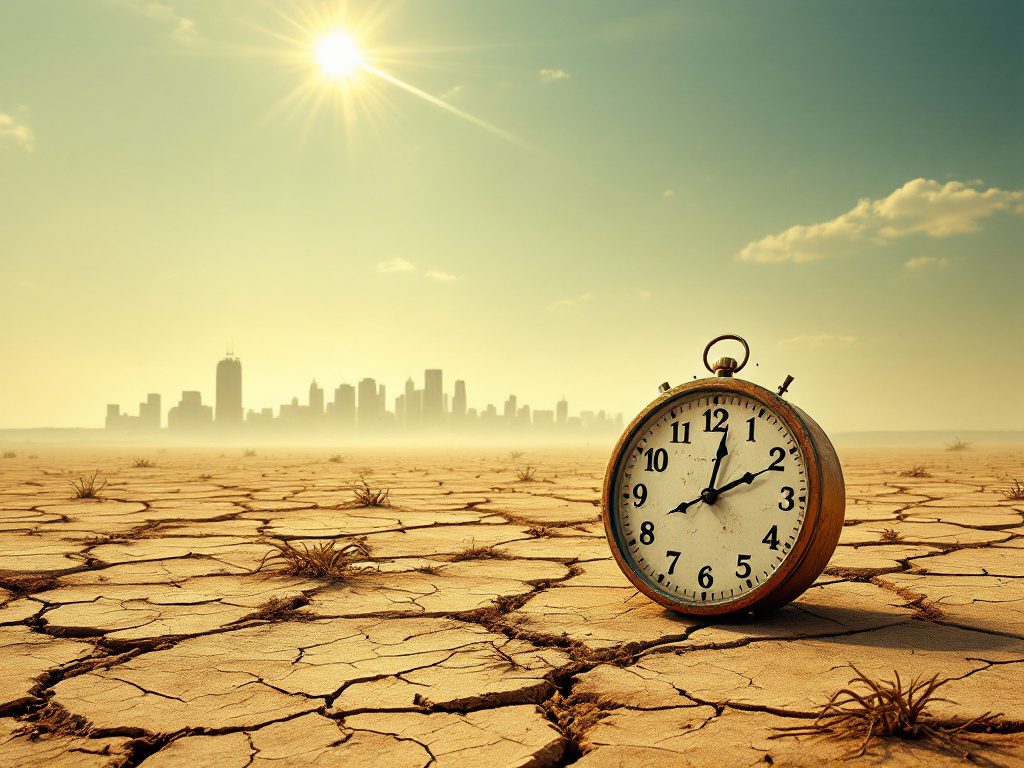
The Alarming New Normal: Hottest Year Underscores Climate Urgency
Picture this: It’s the summer of 2024, and neighborhoods from Manila to Mumbai wake up to stifling heat waves that refuse to abate. This isn’t a fluke—the UN World Meteorological Organization confirms global surface temperatures have soared to more than 1.55°C above preindustrial levels, making 2024 the hottest year in 175 years of recordkeeping. Crops wilt, wildfires scorch, and millions face deadly air pollution. Yet, somehow, much of the planet’s leadership seems content to sleepwalk toward disaster.
According to the latest IPSOS People & Climate Change study, two-thirds of APEC region citizens—spanning 32 countries—voice a clear, urgent demand: do more about climate change, or risk betraying future generations. Nowhere is this anxiety more acute than in the Philippines and Indonesia, where respective concern levels hover above 80%. These fears reach beyond policy circles. They manifest in everyday lives: overwhelmed urban infrastructure, precarious electricity grids, and the constant threat of natural calamity.
Contrast that with Japan—or even India—where climate angst has dropped alarmingly since 2021. Fewer now believe climate change will seriously harm their children’s lives. Does this signal complacency, or simply exhaustion amid relentless news cycles and economic unease? As climate alarm ramps up in some nations and recedes in others, the path forward for climate leadership looks increasingly fractured.
The U.S. Retreats: Who Will Fill the Leadership Void?
Once, the United States stood as a bulwark—albeit imperfect—for global climate action. But with the second Trump administration’s withdrawal from the Paris Agreement and the rescinding of $4 billion in Green Climate Fund commitments, the world faces a stark reckoning. Harvard historian Naomi Oreskes notes, “this is not just policy drift; it’s willful sabotage.” The U.S. also pulled the plug on the Just Energy Transition Partnership (worth another $3 billion earmarked for Indonesia and Vietnam) and barred American scientists from participating in critical international research panels.
Every step away by Washington undercuts fragile global momentum. Meanwhile, as American political debate turns toxic and reactionary, Beijing presses forward: China is now the world’s largest investor in clean energy, promising a carbon peak by 2030 and net zero by 2060. Is this altruism or strategic self-interest? The answer is probably both. Yet, in a world long reliant on fractured U.S.-China cooperation, the shift feels seismic nonetheless.
“Washington’s withdrawal has left a leadership vacuum that the world cannot afford—not when the very habitability of entire regions hangs in the balance.”
Regional voices are rising to answer this absence. Professor Muhammad Yunus, Nobel laureate and chief adviser at the United Nations ESCAP summit, calls for enhanced regional cooperation and a harnessing of youth-driven innovation across Asia-Pacific. Bangladesh, for instance, has unfurled its ambitious ‘Three Zero Vision’: zero wealth concentration, zero unemployment, and zero net carbon emissions. Yet, as Yunus and his counterparts urge, none of these transformative goals are possible without cross-border solidarity and new sources of financial backing—especially after U.S. disengagement.
Progress Hinges on Policy—and Collective Will
Climate leadership is no longer the exclusive domain of national governments. Malaysian Prime Minister Anwar Ibrahim cut to the heart of the matter: meaningful change can only stem from the “collective commitment of all sectors”—industry, public agencies, local communities, and citizens themselves. Anwar is not alone in this assessment. According to a 2023 Pew Research Center analysis, effective policies are most likely to succeed where legal teeth and grassroots momentum combine.
For progressives committed to equity and justice, this means fighting for policies that both regulate industry and empower individuals. The U.K. and China point to what’s possible: national climate acts, aggressive renewable investments, and a shift in cultural expectations for business. Malaysia claims to draw inspiration from these models, pledging ongoing refinement of its own climate policy architecture. Yet the specter of rising energy bills, job transitions, and economic inequality means even the best-intentioned plans can fall short if they don’t actively address real-world anxieties.
Combatting climate change may sound daunting, but history offers hope. The international response to ozone depletion—via the Montreal Protocol—demonstrates what’s possible when governments, industry, and civil society converge behind a common cause. Imagine that level of resolve aimed at slashing carbon emissions.
Yet, as climate anxiety diverges across the Asia-Pacific, the ethical question grows more urgent: will we allow short-term politics and economic parochialism to endanger our children’s survival, or can we spark a new era of climate solidarity? The future will be written by those willing to demand and deliver bold leadership, wherever it emerges.
