
The Theatrics of Nuclear Posturing in Eastern Europe
It’s a familiar scene in the politics of intimidation: flags unfurl, leaders strut before tanks, and rumors swirl about nuclear threats at the edge of NATO’s eastern frontier. Belarus, in concert with Russia, has recently reprised this script, drawing global scrutiny amid Vladimir Putin’s ongoing war in Ukraine. Alarming headlines suggest a new front in the escalating standoff—Belarus in possession of nuclear weapons, ready to upend the security calculus of Europe. Yet, as Ukraine’s intelligence chief Oleh Ivashchenko reveals, these claims remain little more than choreographed bluster.
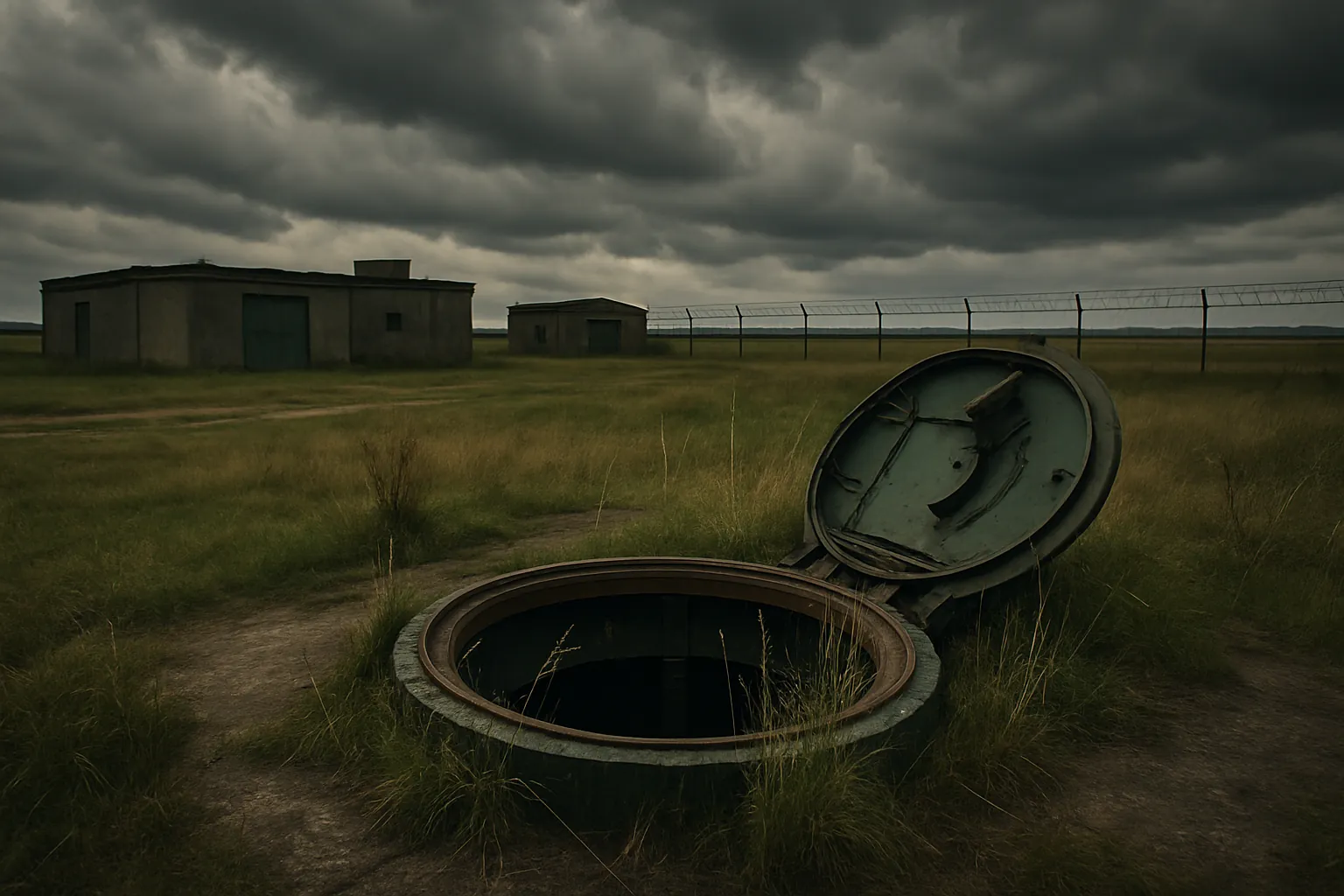
Belarusian President Alexander Lukashenko has declared, loudly and often, that Russian tactical nuclear weapons are now on Belarusian soil—a claim that reverberated across Western airwaves last autumn. His bravado, however, has not been matched by concrete evidence. According to Ukrainian and Western intelligence, Belarus has hosted Russian Iskander missile systems and dual-capable fighter jets since 2023, but no nuclear warheads have actually been transferred—or at least, none have been independently verified. Even the construction of storage bunkers, cited by Lukashenko as a harbinger of imminent nuclear arrival, is incomplete.
Why fuel such high-stakes speculation? After decades as Moscow’s most reliable satellite state, Lukashenko faces pressure to assert sovereignty yet signal unwavering loyalty to the Kremlin. The imagery of impending nuclear might amplifies his stature at home and buttresses Russia’s attempts to deter NATO involvement in Ukraine. According to nuclear policy analyst Kristin Ven Bruusgaard (University of Oslo), the illusion of escalation “keeps European allies on edge without crossing actual red lines.”
Drills, Delivery, and the Limits of Threat
A closer look into Belarus’s actual capabilities reveals a sobering reality. While the country has received extensive training on Russian Iskander systems—missiles designed to deliver both conventional and nuclear warheads—the vital component remains missing. On-the-ground preparations, including the building of storage facilities for nuclear material, indicate that Minsk and Moscow want to keep options open. Still, Ukrainian intelligence and Western officials agree: there are no nuclear warheads currently present in Belarus.
The escalation narrative gains steam from relentless joint drills. The second stage of Russian-Belarusian tactical nuclear exercises unfolded in June 2024, featuring missile units from Russia’s Southern Military District and occupied Ukrainian territories. These rehearsals are timed for impact, stoking headlines during moments of international tension. Military historian Mary Elise Sarotte (Johns Hopkins) observes, “We’ve seen these kinds of nuclear signaling exercises throughout the Cold War—the intent is psychological, not operational.”
“For now, there’s no warhead in Belarus—only the theater of nuclear ambition. The danger lies in what the shadows obscure, not what is plainly visible.”
Plans for the Oreshnik ballistic missile system and the much-discussed Zapad-2025 wargames reflect ongoing ambitions rather than immediate capabilities. Preparation for possible future deployment is not the same as possession. Rehearsal is not reality.
Authoritarian Imagery Versus Everyday Security
Belarus provides delivery systems. Russia supplies rhetoric. But ordinary Belarusians and their neighbors absorb the anxiety. Hyping up the specter of nuclear deployment, these autocrats steal attention from critical realities: the price paid by civilians in war, the risks of accidental escalation, and the cost to regional stability. What is lost in Lukashenko’s nuclear theater may be trust among his own people—and the prospect for genuine security across Europe.
History offers sobering lessons. From the missile crisis of 1962 to recent North Korean brinkmanship, false signals and performative threats have brought the world terrifyingly close to miscalculation. At every turn, the West’s best response has emphasized transparency, alliance cohesion, and measured deterrence—precisely the values illiberal strongmen seek to undermine.
Beyond that, progressive voices must continue to call out these spectacles for what they are. According to a 2024 Pew Research Center survey, strong majorities across Europe and the U.S. reject nuclear proliferation and support diplomatic engagement over saber-rattling. Harvard security scholar Fiona Hill reminds us that societies which invest in truth and accountability “are less likely to be manipulated by the illusion of imminent war.”
So when you see leaders wielding nuclear shadows for political theater, remember: the ultimate security rests not in one man’s bombast, but in our collective vigilance and commitment to peace.
