
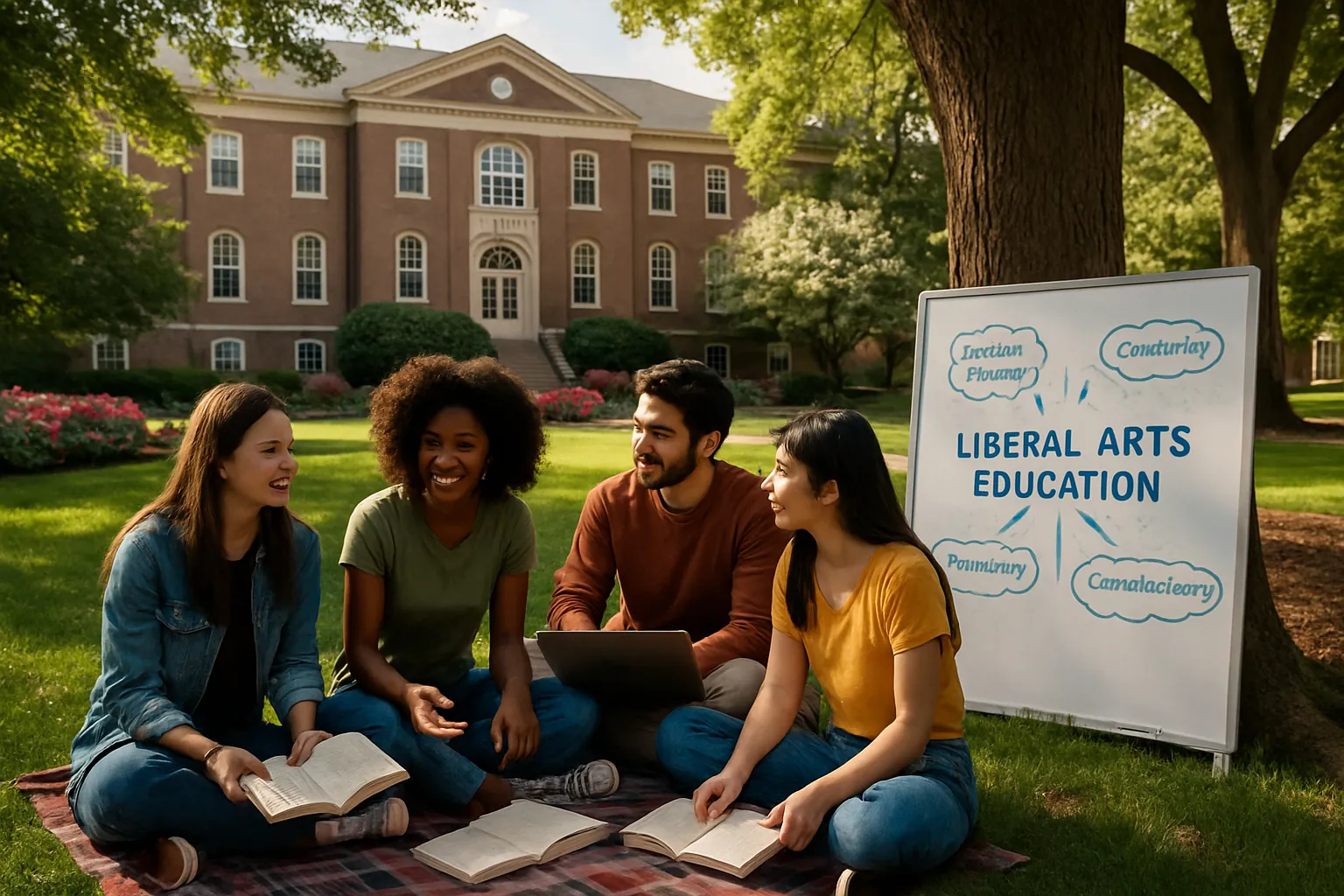
Reimagining Higher Learning: Brandeis’ $25 Million Leap
Imagine a university experience radically different from the model you may remember—a world where students collect “common competency badges” rather than simply checking boxes for required courses, and where every undergraduate is mentored by both an academic guide and a dedicated career strategist. At Brandeis University, this vision is rapidly becoming reality. On September 10, President Arthur Levine, joined by alumni, educators, and policymakers at the National Press Club, outlined an ambitious $25 million overhaul, unanimously backed by faculty and trustees, to fundamentally remodel the school’s liberal arts approach.
Rather than viewing college as a static, four-year journey, the Brandeis plan recasts it as an evolving launchpad tailored for a volatile world. Core programs will be recast into a framework of acquired competencies, providing students with transferrable skills rather than mere course credits. These badges are designed to supplement traditional transcripts, helping future employers see, at a glance, the concrete talents their applicants possess.
Behind the push: a sobering reality. President Levine bluntly predicts that “20% to 25%” of traditional colleges may close within the coming decade, as economic and technological disruptions sweep the landscape. More and more, regionally focused schools and community colleges migrate online—leaving space for new, profit-driven players like Google and Coursera to reshape how Americans access education.
This conviction prompted Massachusetts Senator Ed Markey to double down on what he calls the Commonwealth’s sacred mission: ensuring the American Dream is delivered through more accessible, responsible higher education—not less. Markey, speaking at the event, declared Massachusetts must become “the Brain State,” reinforcing that “we cannot let innovation come at the expense of equity.”
Gen Z Demands Authenticity—Higher Ed Scrambles to Respond
Stroll across any campus today and listen. The students you’ll encounter—primarily Gen Z—are not just looking for “knowledge for knowledge’s sake”; they crave deeper, more meaningful connections: with each other, with faculty, with social justice causes, and with a healthier way of living. According to a recent report by the Education Advisory Board, Gen Z rates “authentic engagement” and “personal well-being” as top factors in their college satisfaction—far outpacing previous generations’ priorities.
This isn’t a superficial shift. Universities must now grapple with creating campus environments that foster belonging while simultaneously confronting skyrocketing living costs and tightening budgets. Institutions are innovating: using data to analyze student needs in real time and deploying it to tailor residence life, co-curriculars, and mental health supports.
The upcoming October 7 virtual forum at Brandeis, designed for faculty, student advisors, and policymakers, will openly confront these realities. Major topics: how to offer genuine connection (not empty rhetoric), how to address wellness without busting the budget, and how to deploy campus analytics ethically. It’s a high-wire act—too performative, and universities risk alienating students; too hands-off, and they fail to deliver on their promise.
Higher education must avoid the trap of embracing performative inclusivity or half-hearted reforms. Columbia University sociologist Shamus Khan cautions, “If campuses think they can survive by doing what worked in 1990, without real engagement on mental health, activism, and belonging, they’re fooling themselves.”
“Without a radical commitment to authenticity and equity, colleges will lose not just the next crop of students—but their moral mandate as institutions for public good.”
That moral imperative goes well beyond campus comfort. Recent political interference and public backlash threaten to marginalize DEI efforts and muzzle free expression. For anyone who believes in colleges as engines of democracy and upward mobility, this is no mere administrative hassle—it’s an existential gauntlet.
Higher Ed at a Crossroads: Inclusion, Innovation, and Resilience
Few voices cut through today’s noise quite like Dr. Beverly Daniel Tatum, former president of Spelman College and interim president of Mount Holyoke. In her new book and recent interviews, Dr. Tatum details the “turbulent times” buffeting college leadership: targeted attacks on diversity, equity, and inclusion (DEI) programs, intensifying culture wars, and the onslaught of government scrutiny, often resulting in presidents resigning under pressure. Her approach? Leaders need both clarity and resolve—acknowledging the ugly realities while doubling down on the core values of higher education.
Dr. Tatum says, “Higher education’s value isn’t just in what students know, but in how they learn to live with each other across differences.” This insight grows even sharper in the shadow of recent moves—like the 1994 Violent Crime Control and Law Enforcement Act—which for decades gutted access to federal financial aid for prisoners. Combine that legacy with state laws actively blocking post-secondary opportunities for the incarcerated, and it’s clear the education system, as Johnson’s poignant journey from “school-to-prison pipeline” to self-empowerment shows, hasn’t just failed to level the playing field—sometimes it dug the pits itself.
Barely a year ago, that federal aid ban was finally overturned, restoring Pell Grants and hope for thousands behind bars. It’s a bittersweet glimpse of progress—showing that when society invests in education for its most marginalized, everyone stands to gain. Harvard’s Bruce Western, a leading voice on criminal justice reform, points out, “Accessible education is perhaps the single greatest factor in reducing recidivism and transforming lives.” The lesson for our universities? What happens on the margins too often predicts what is coming for the mainstream.
Higher education, now more than ever, stands at a fork in the road. One branch leads to greater equity, innovation, and resilience—a place where badges of competency and genuine belonging matter as much as ancient reputations. The other? A world in which the pursuit of profit, technocratic efficiency, and political expediency erode those values in the name of expedience, not progress.
The challenge is stark: embrace the uncertainty of transformative change, or risk becoming irrelevant. As policy debates rage and new models like Brandeis’ gain steam, the stakes could not be higher for the soul of American higher learning.
